Photography
Plant Life (Liddell)
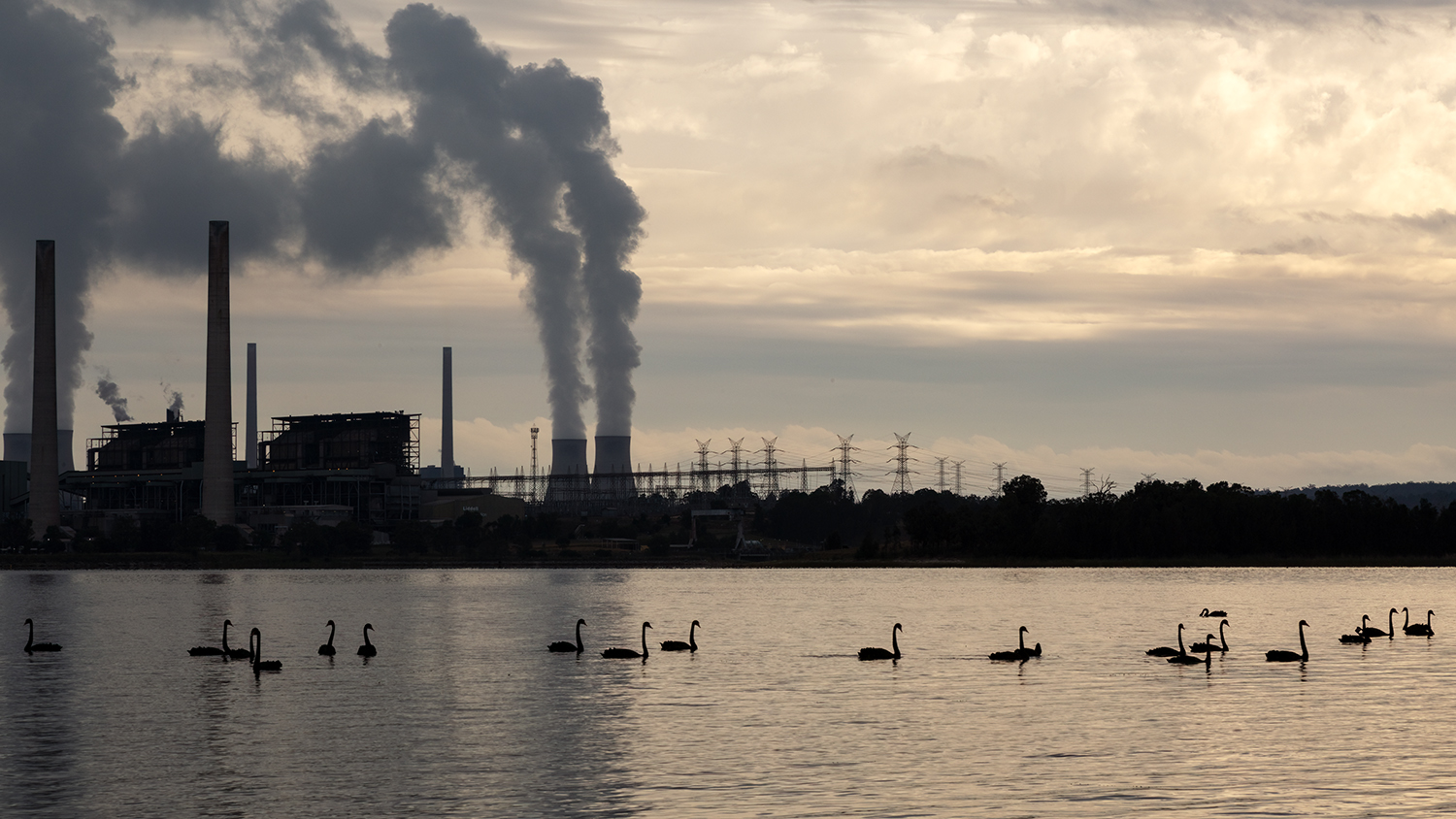
Plant Life (Liddell) (2023) is a photographic and social history recording the transformation of the Liddell Power Station in the Hunter Valley, NSW, from one of the world’s oldest coal-fired power stations to a future renewable energy hub. It examines the site as a microcosm of geological time, human settlement, and industrial transformation. There are three components to the project: a photo series, a three-channel video installation and a process archive.
Commissioned by Powerhouse Photography, Yesterday New Future (Liddell) was made possible through funds generously donated by the Australian Centre for Photography.
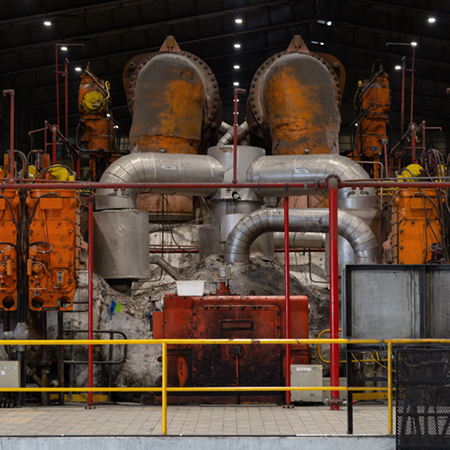
The Plant Life (Liddell) Photo Series of images was captured inside Liddell Power Station before its closure in April 2023. The plant was nearly 52 years old, with redundant technology and long overdue for retirement. Its crisis-plagued history was inscribed on the walls and machines.
Five Eco-solvent pigment prints on archival rag paper. Image size each
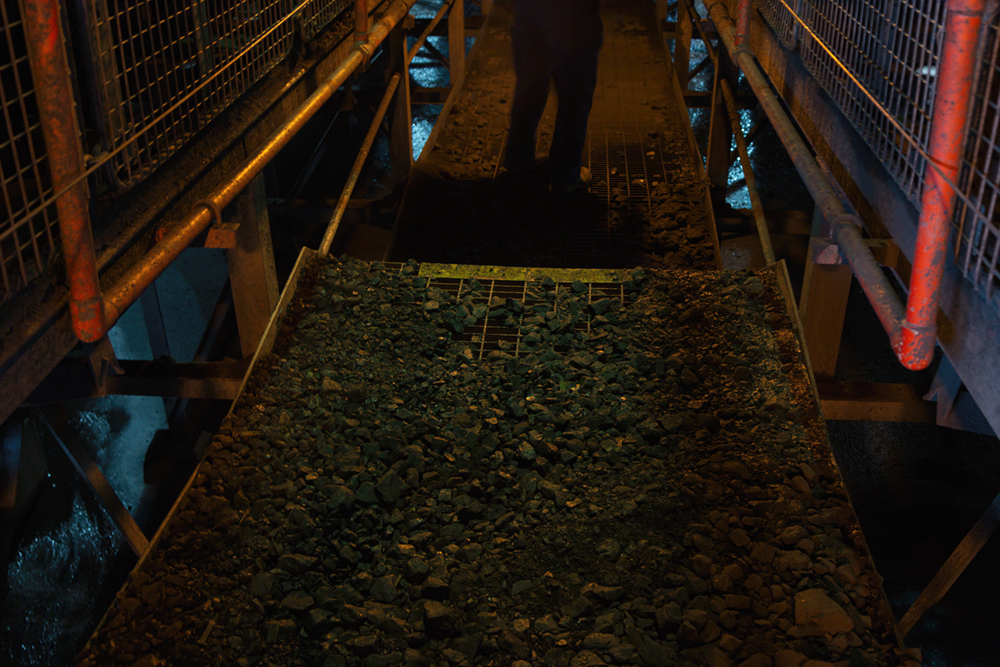
Merilyn Fairskye, Walkway between coal conveyors, 2023
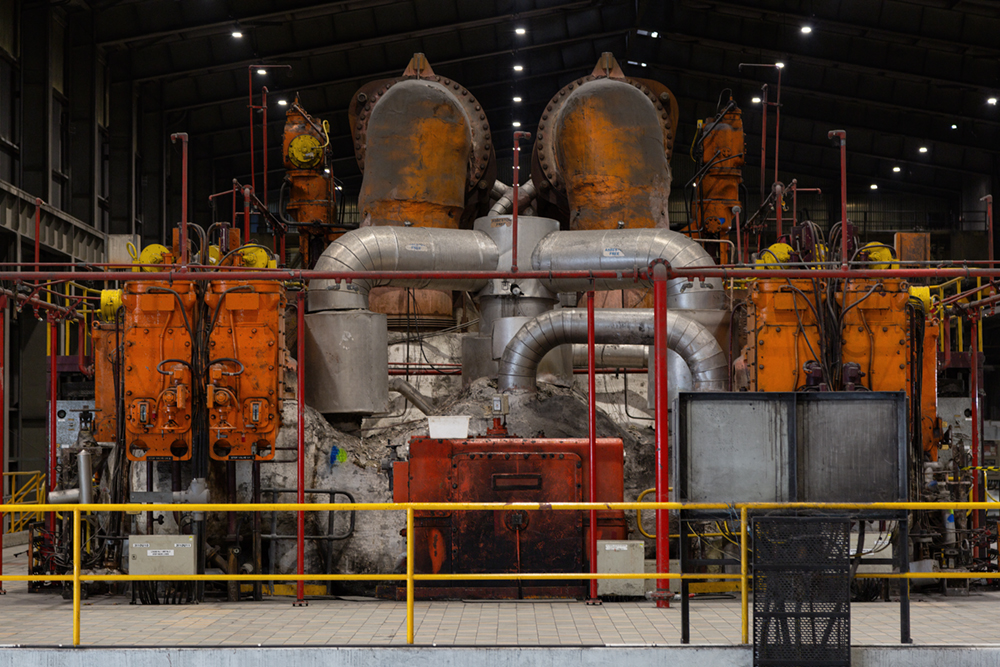
Merilyn Fairskye, #3 Turbine, 2023
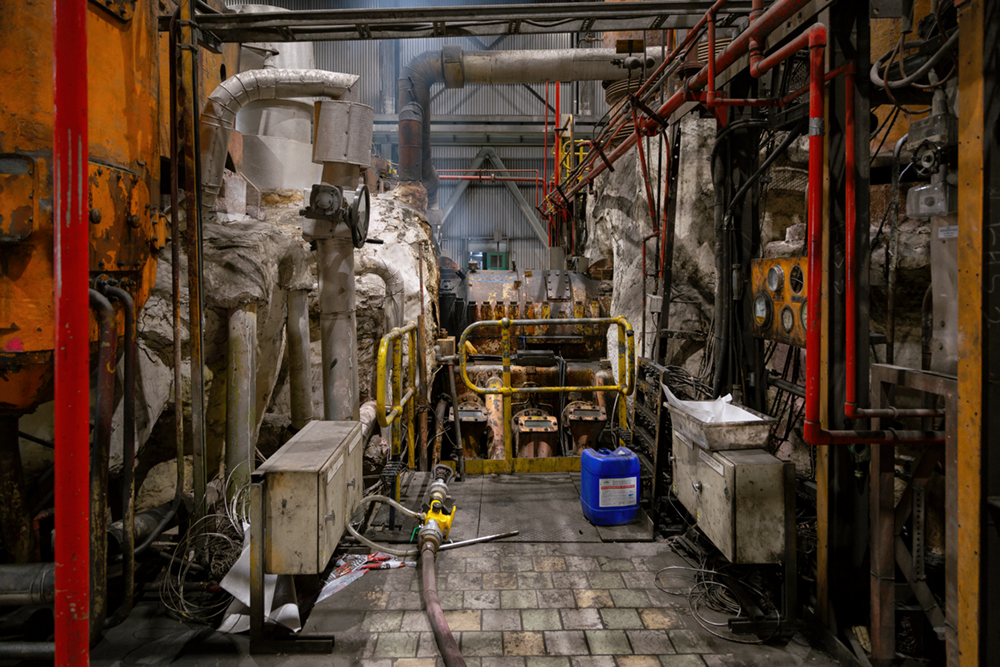
Merilyn Fairskye, #2 Turbine with oil leak, 2023
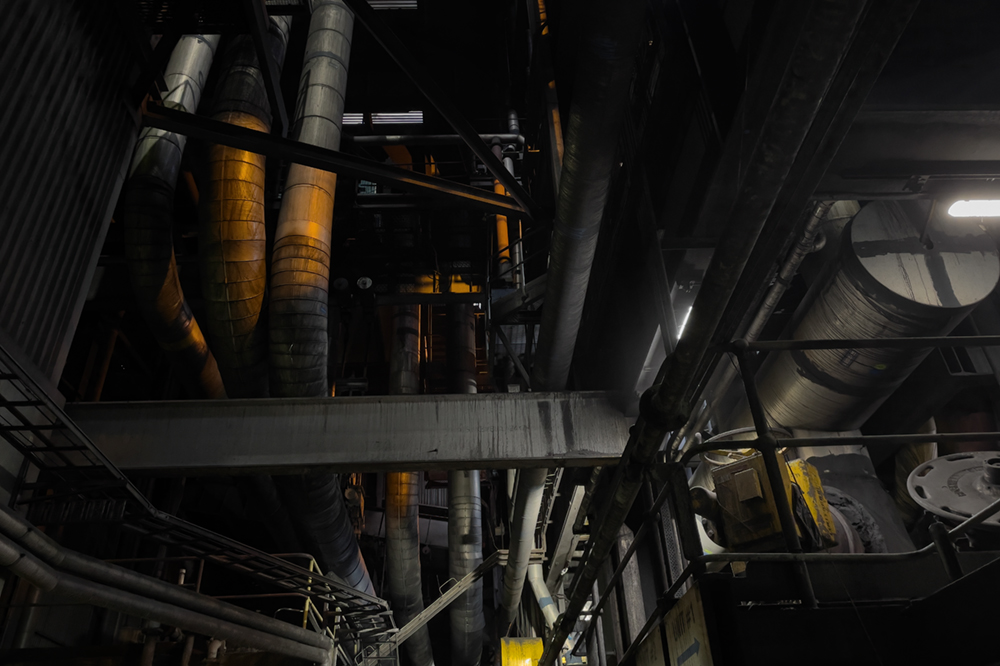
Merilyn Fairskye, Steam pipes from the basement, 2023
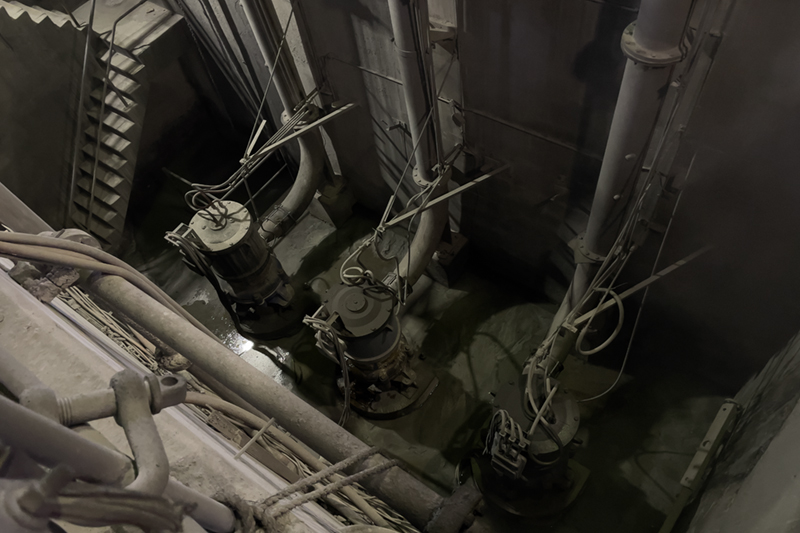
Merilyn Fairskye, Dust pumps, 2023
Claustrophobia
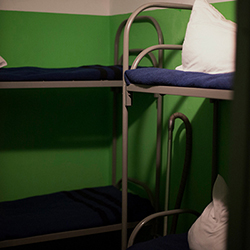
In 1951 the US stockpiled nuclear weapons, the Cold War was in full swing, and Stalin ordered the construction of a top-secret bunker in central Moscow. Sixty-five metres underground, it was to be an emergency command post HQ and long-range aviation communications centre. As I descended the 18 flights of stairs to see the rooms and tunnels, I thought about the Soviet leaders, their families, and the thousand or so military personnel who could exist there for up to three months after a nuclear attack, with certain devastation awaiting their compatriots above ground. In the 1962 Cuban Missile Crisis, 800 military personnel and technicians remained in the bunker for 13 days on high alert, ready to launch an attack if needed. The facility was declassified in 1995 and operates as a museum dedicated to the Cold War. Now known as Bunker 42, some of tunnels are hired out for interactive war games.
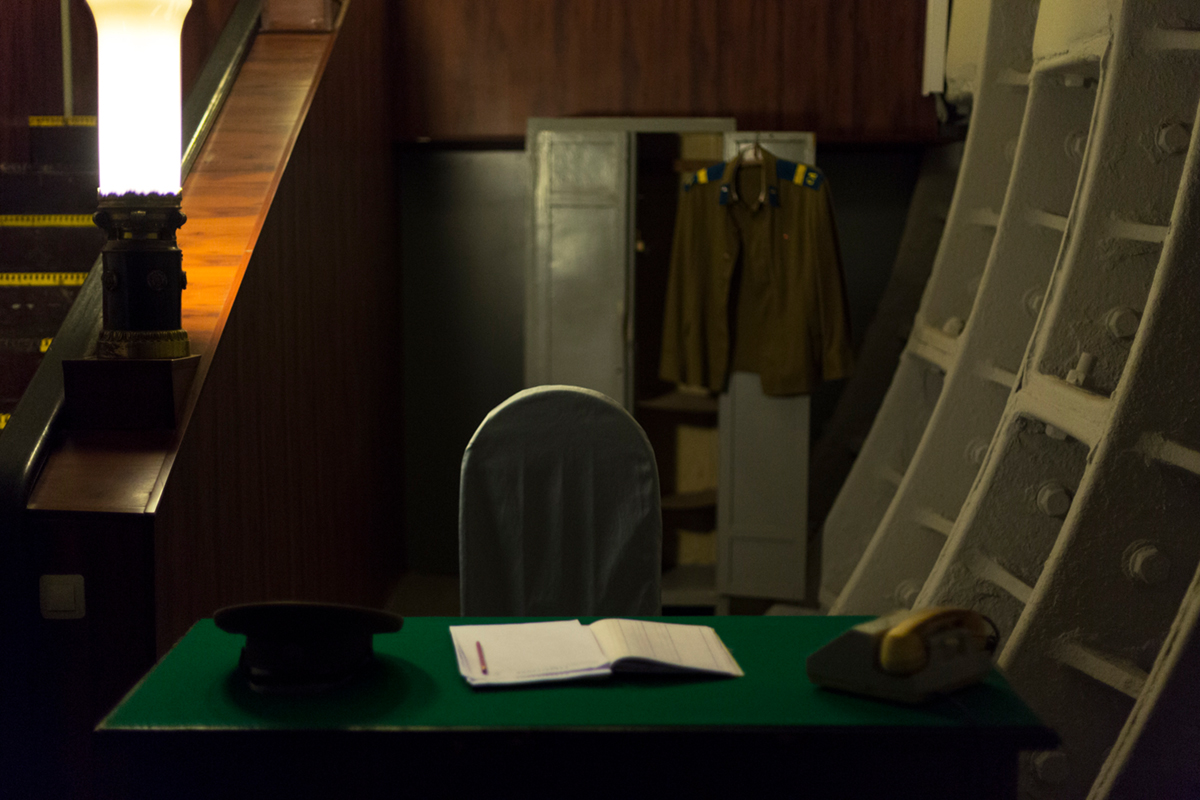
Merilyn Fairskye, Jacket, 2016. Pigment print.
33.3x50cm.
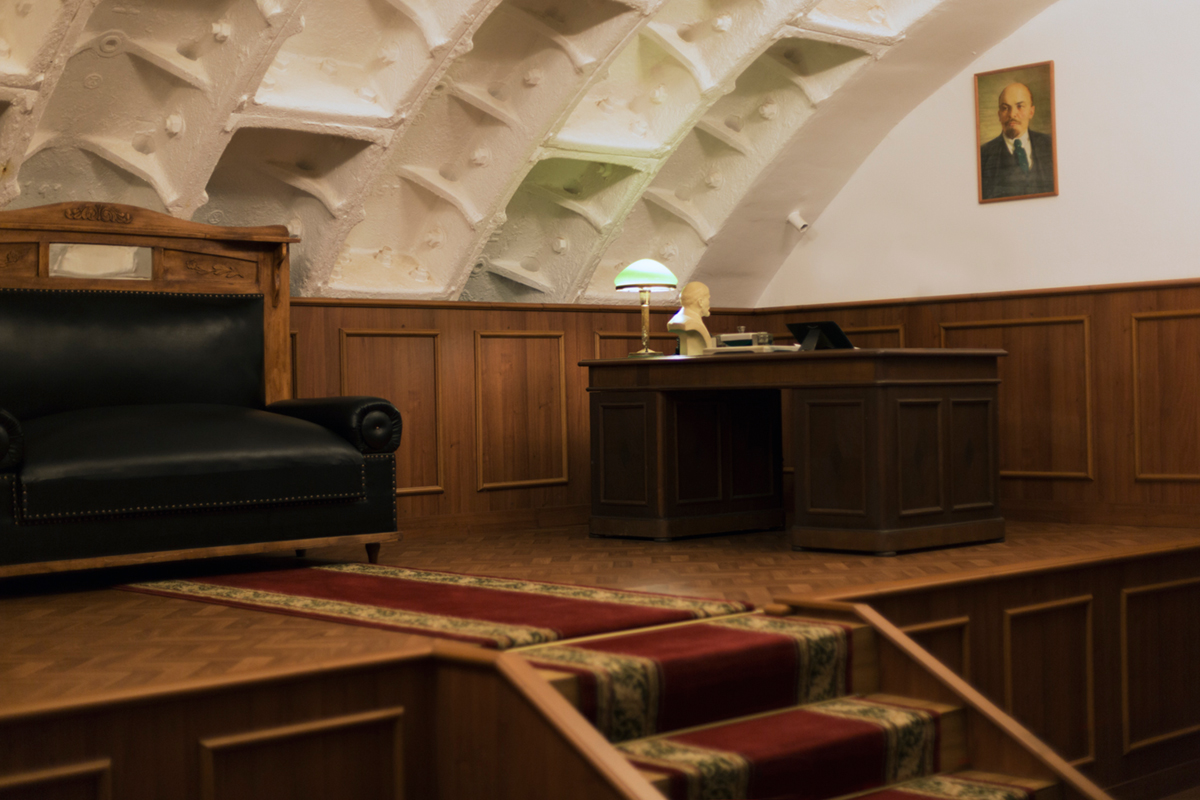
Merilyn Fairskye, Lenin, 2016. Pigment print.
33.3x50cm.
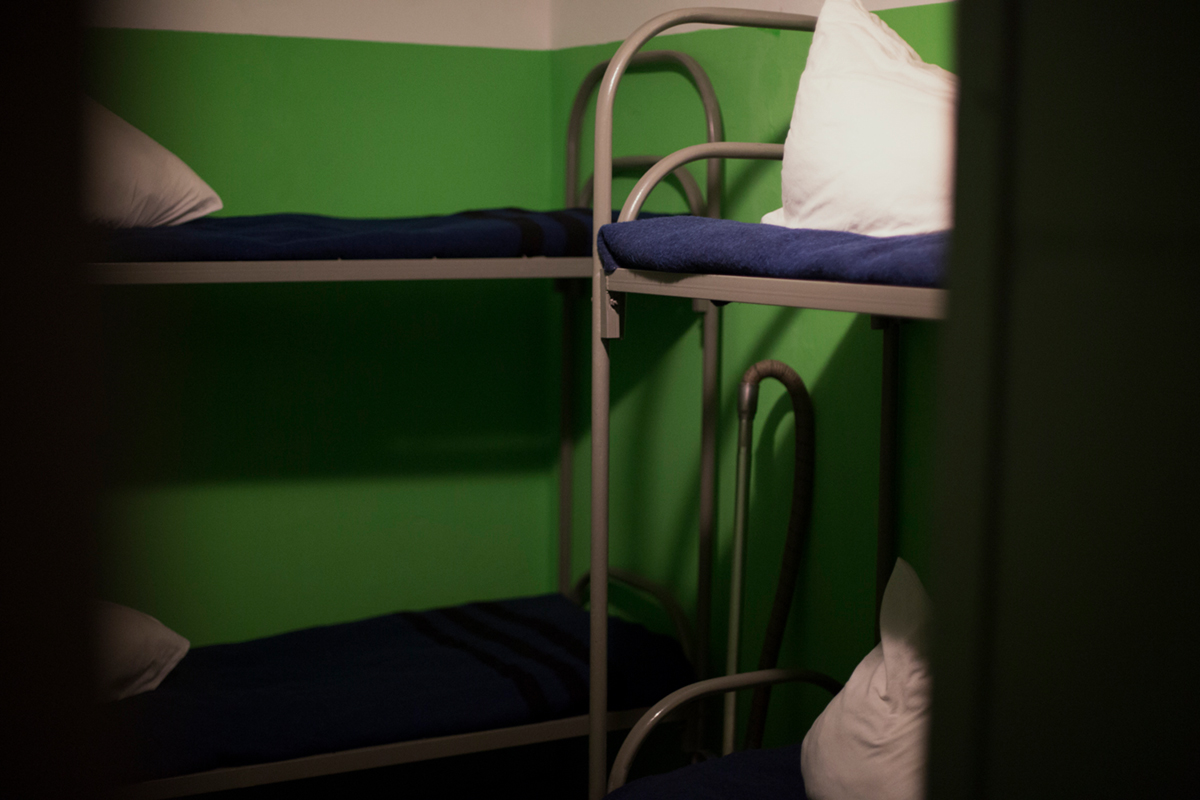
Merilyn Fairskye, Bunk Beds, 2016. Pigment print.
33.3x50cm.
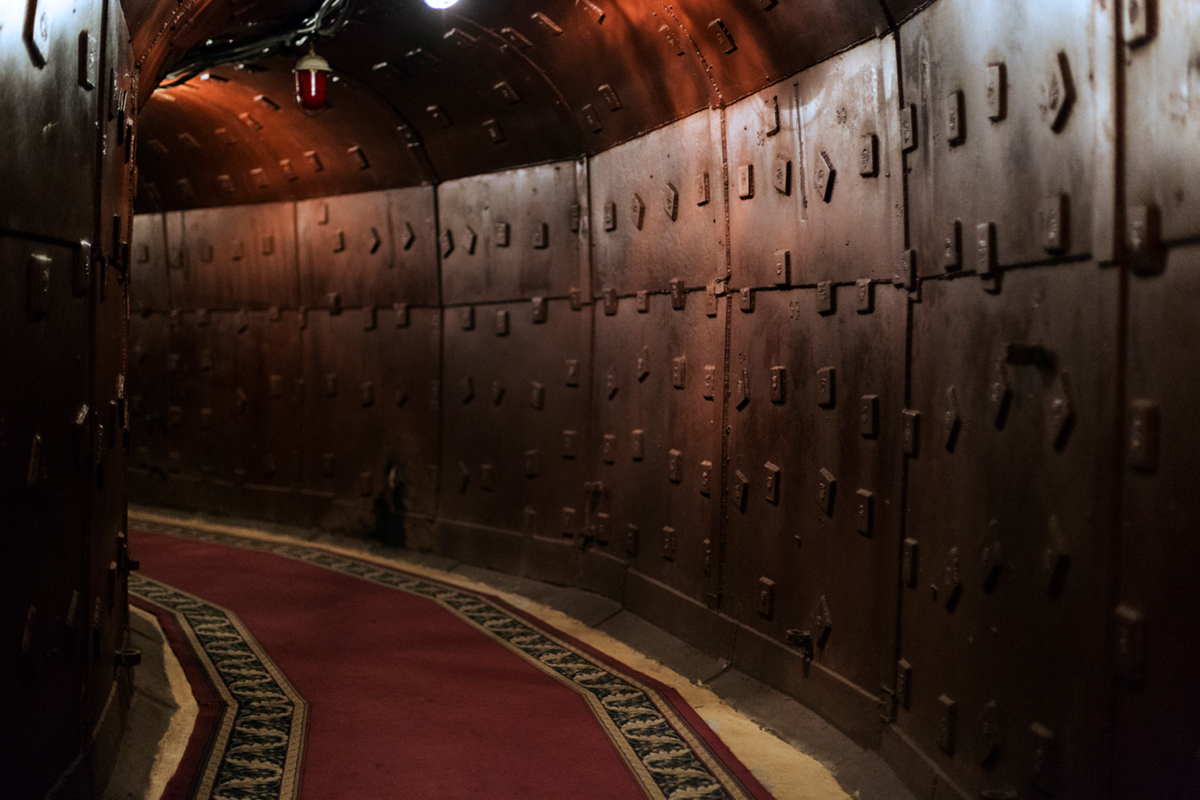
Merilyn Fairskye, Tunnel, 2016. Pigment print.
33.3x50cm.
Long Life (Kazakhstan)
This work is part of an ongoing series about the experience of nuclear landscapes.
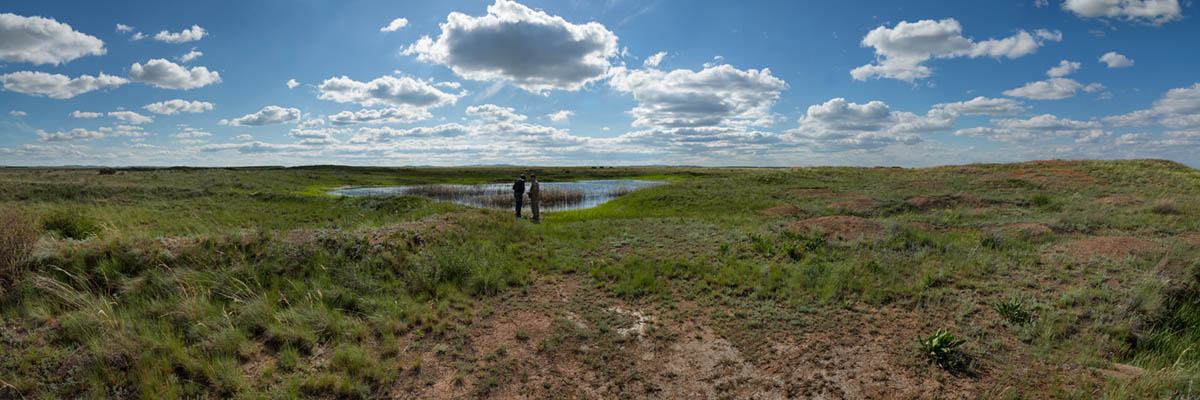
Merilyn Fairskye, Ground Zero (first Soviet atomic bomb test, 7.00am, 29 August 1949, The Polygon, Kazakhstan), 2016. Pigment print. 92x275cm. Edition of 5
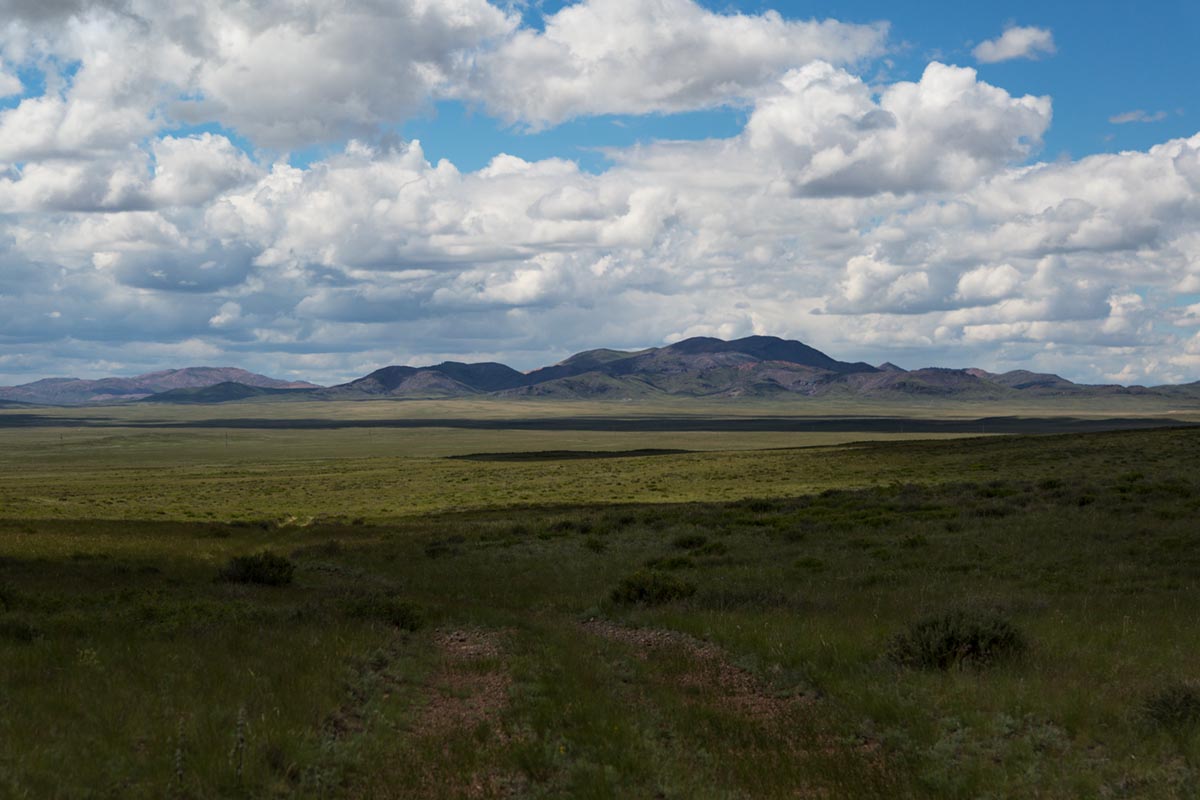
Merilyn Fairskye, The Day After Degelen Mountain (Soviet underground nuclear test site, Kazakhstan), 2016. Pigment print. 33.3x50cm. Edition of 5
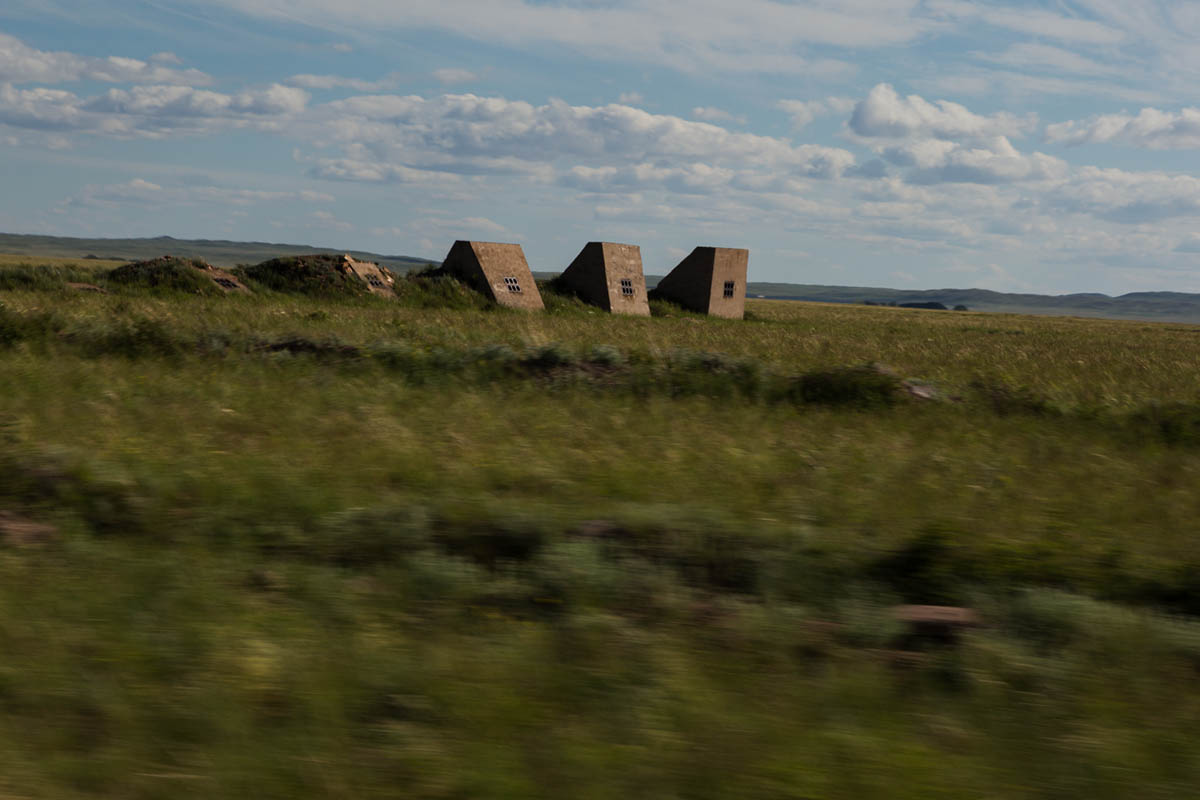
Merilyn Fairskye, The Day After (sensor bunkers, The Polygon, Kazakhstan), 2015. Pigment print. 33.3x50cm. Edition of 5
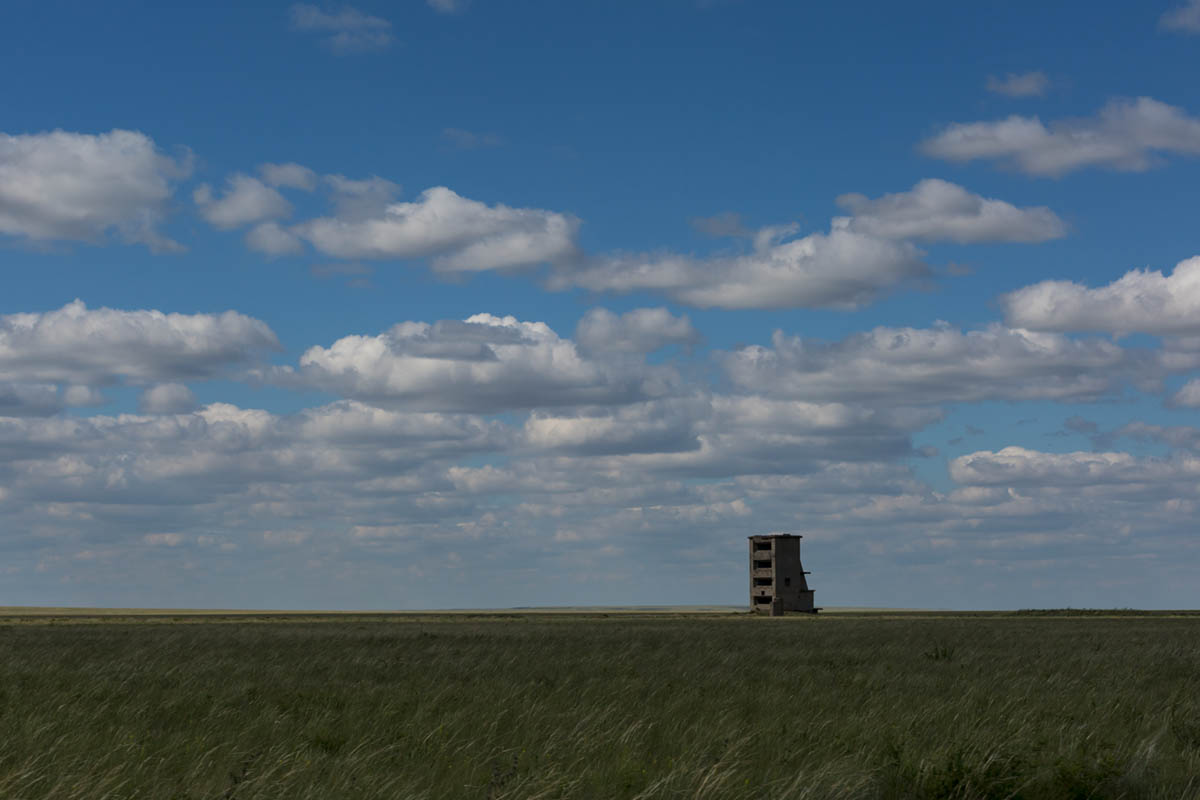
Merilyn Fairskye, The Day After (measuring tower, The Polygon, Kazakhstan), 2016. Pigment print. 33.3x50cm. Edition of 5
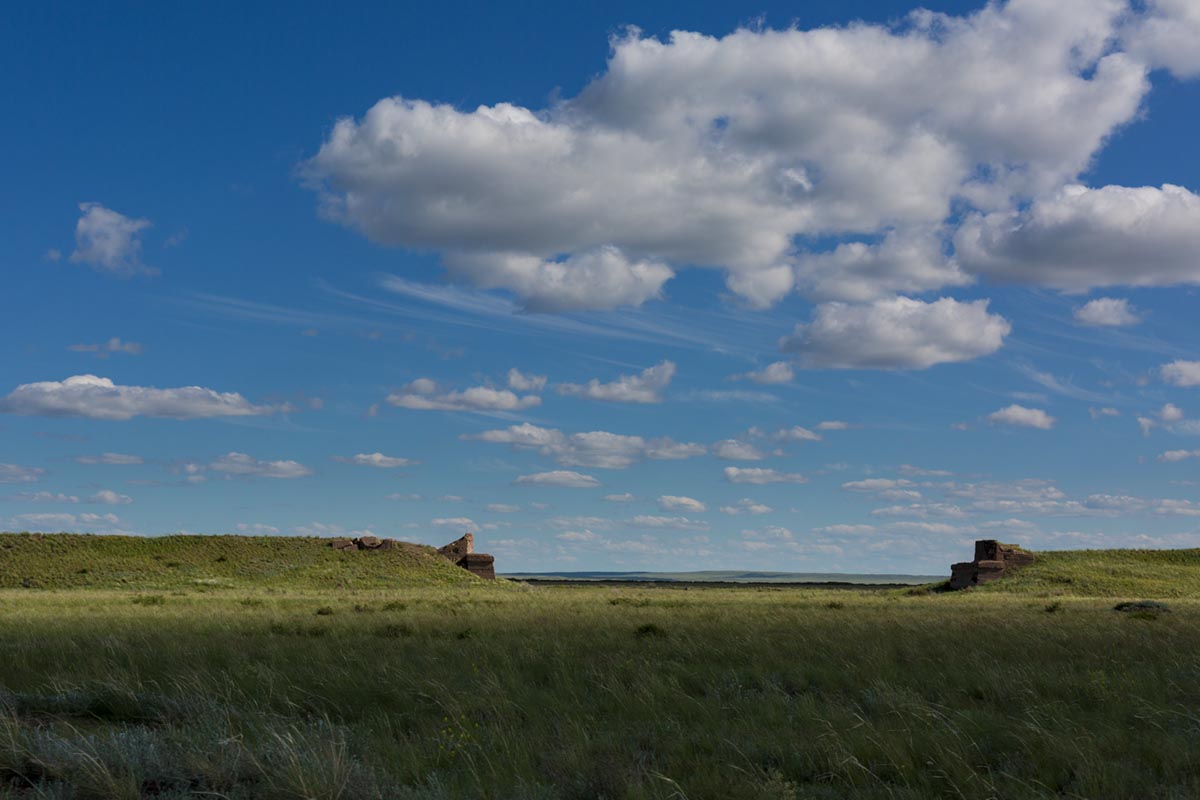
Merilyn Fairskye, The Day After (bridge, The Polygon, Kazakhstan), 2015. Pigment print. 33.3x50cm. Edition of 5
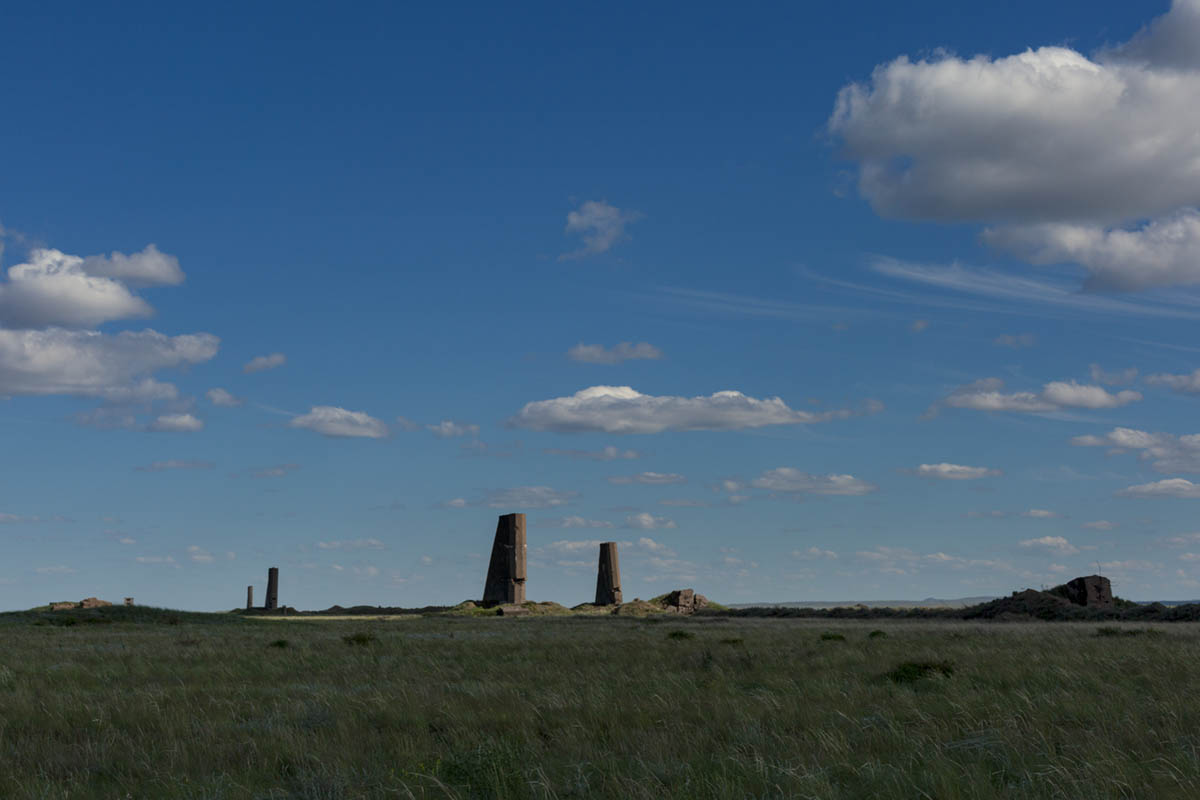
Merilyn Fairskye, The Day After (test structures, The Polygon, Kazakhstan), 2015. Pigment print. 33.3x50cm. Edition of 5
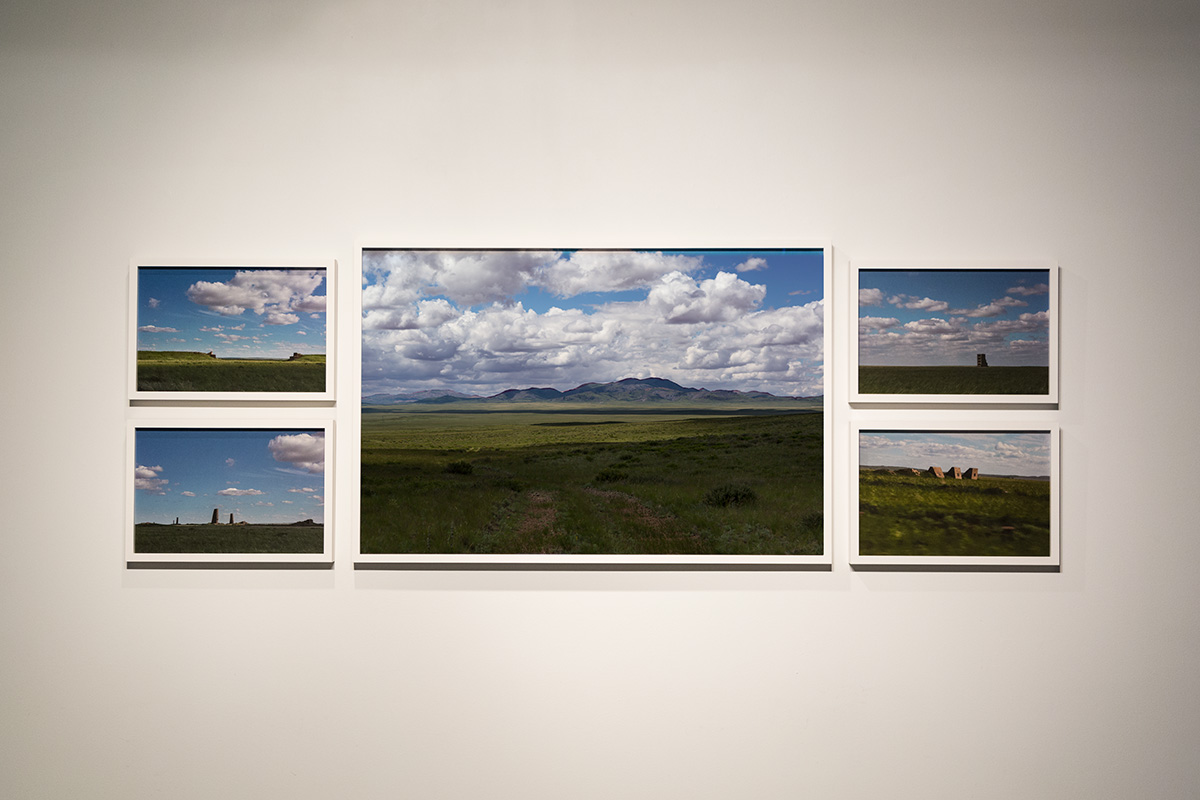
Merilyn Fairskye, installation view, 2020 exhibition, Stills Gallery, Sydney, 2015
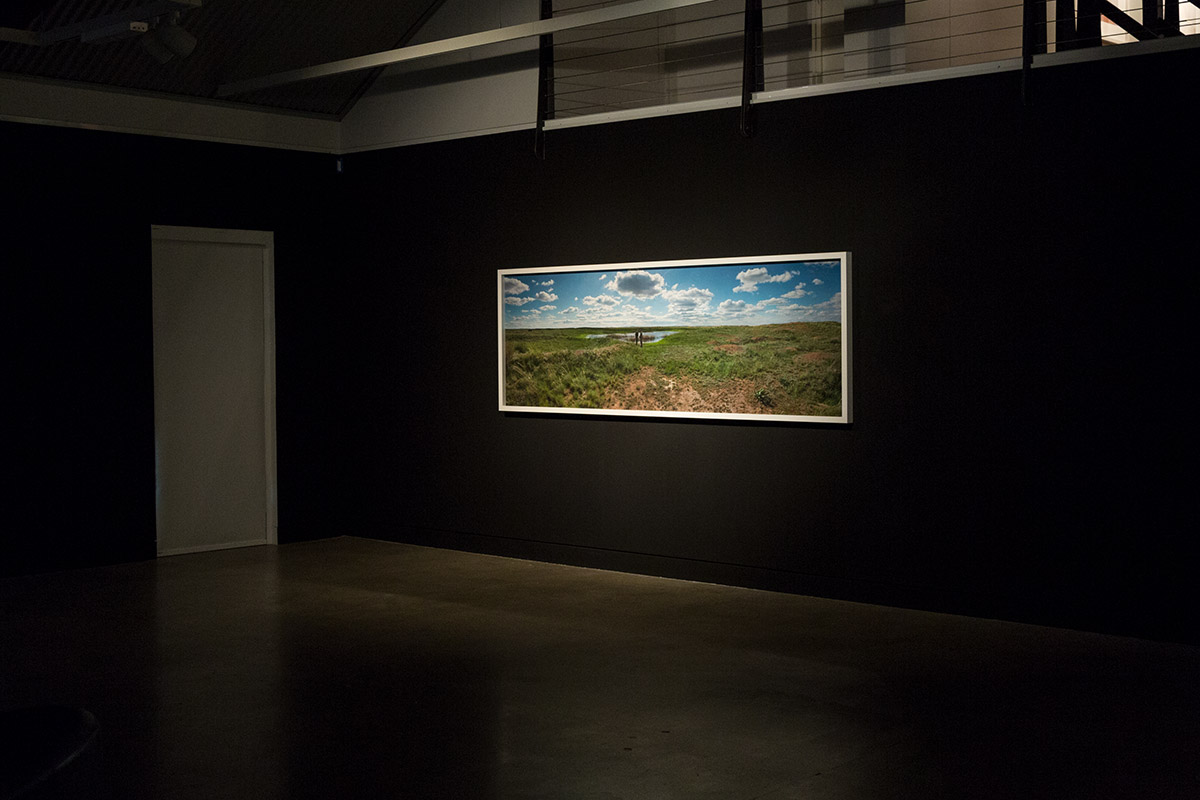
Merilyn Fairskye, installation view, 2020 exhibition, Stills Gallery, Sydney, 2015
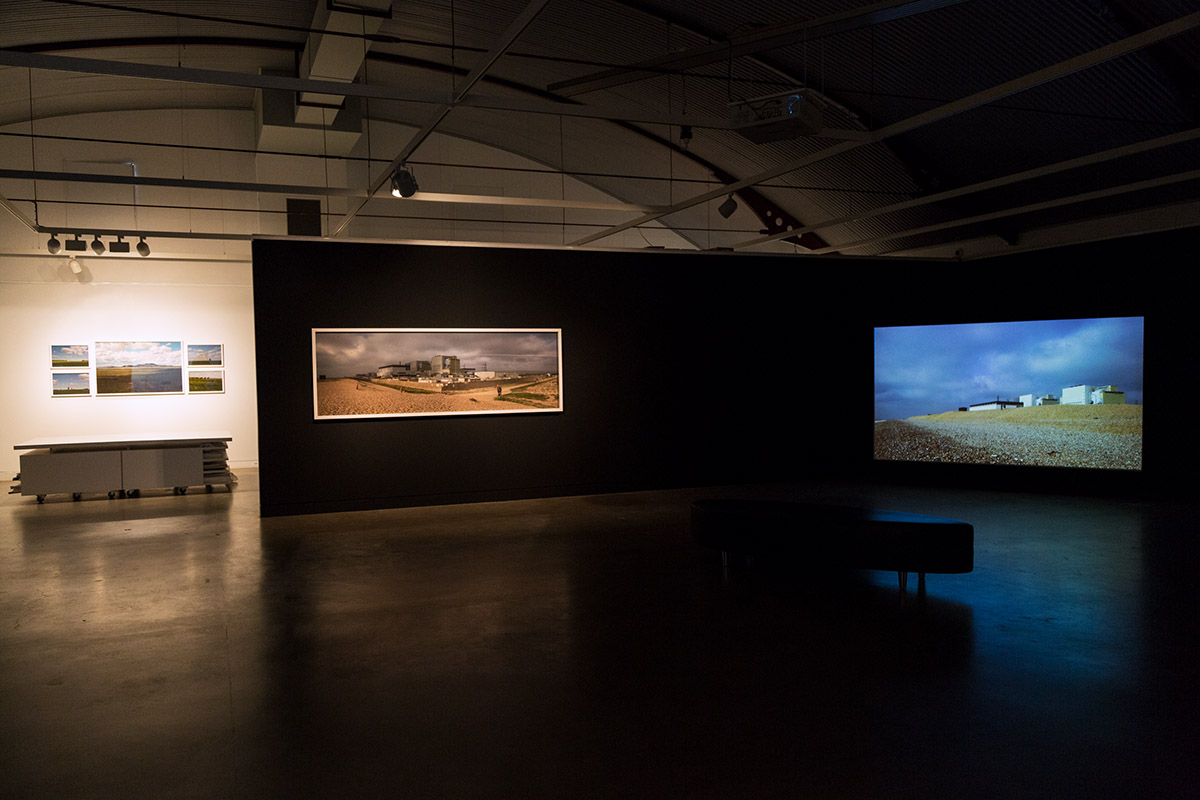
Merilyn Fairskye, installation view, 2020 exhibition, Stills Gallery, Sydney, 2015
Long Life (Dungeness)
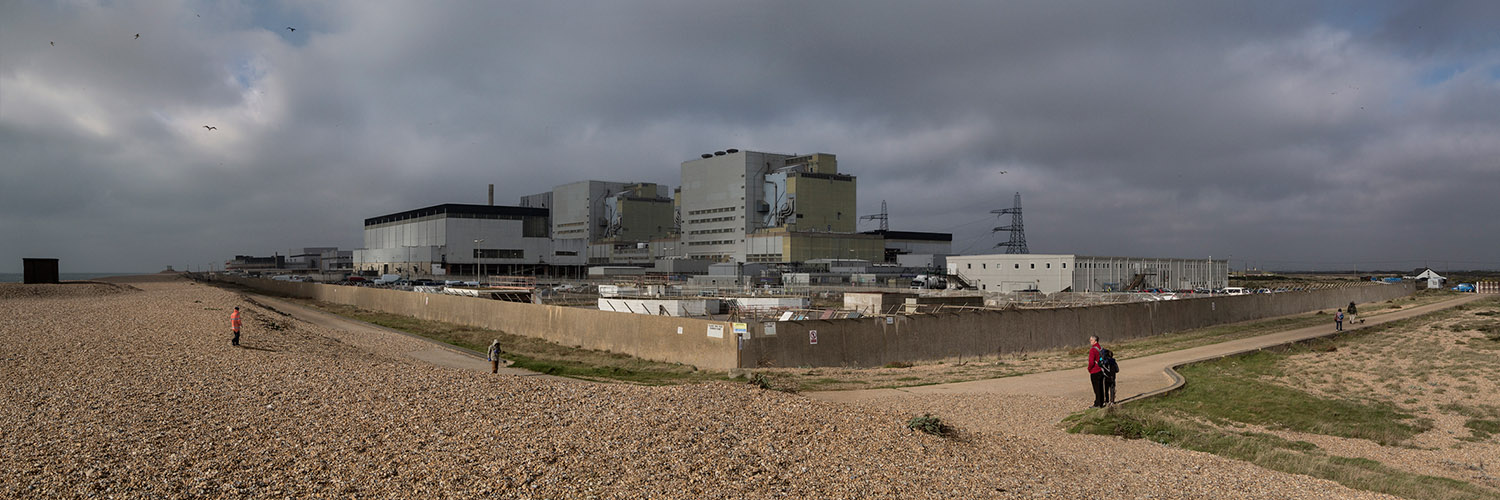
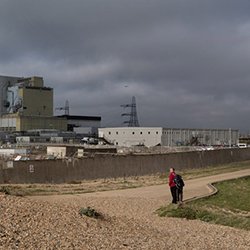
Merilyn Fairskye, On the Beach (north-east view, Dungeness Power Station B, Kent U.K.), 2015. Pigment print. 92x275cm. Edition of 5
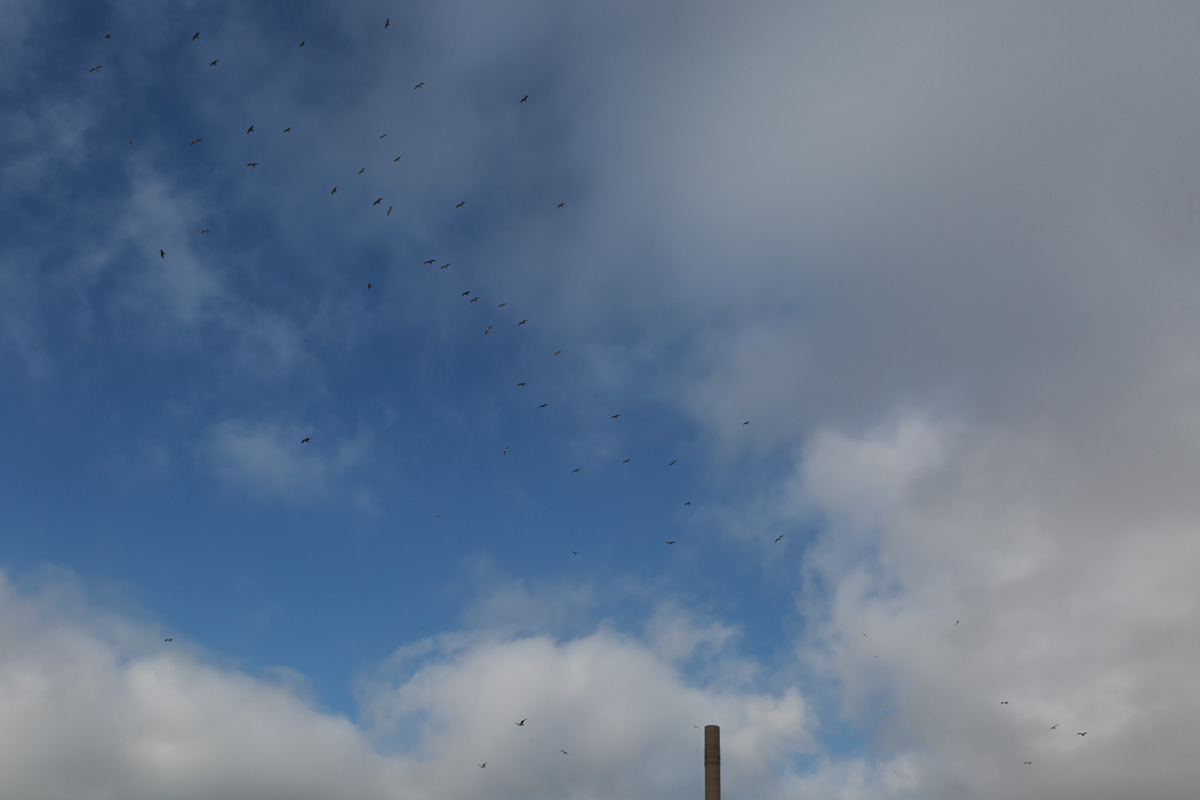
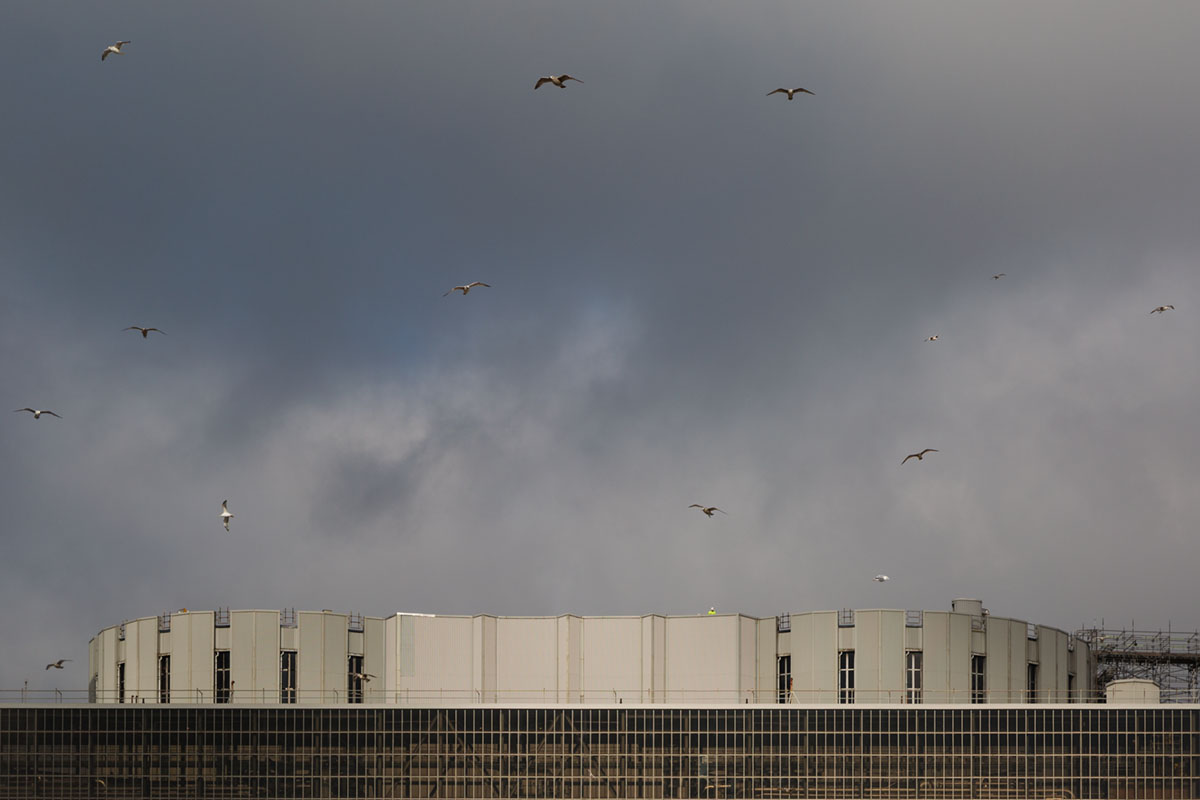
Merilyn Fairskye, Birds I (Dungeness Power Station B, Kent U.K), 2015. Pigment print. 33.3x50cm. Edition of 5
Merilyn Fairskye, Birds II (Dungeness Power Station B, Kent U.K), 2015. Pigment print. 33.3x50cm. Edition of 5
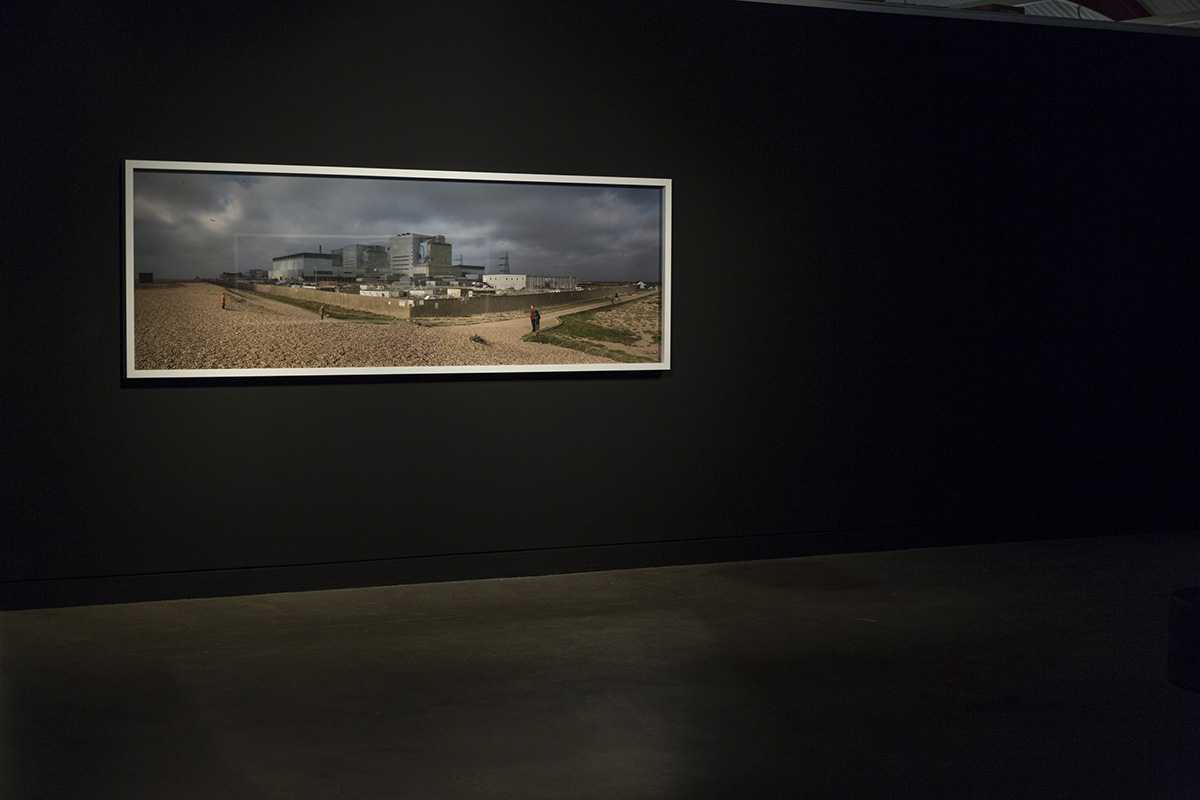
Merilyn Fairskye, Installation view, 2020 exhibition, Stills Gallery, Sydney, 2015
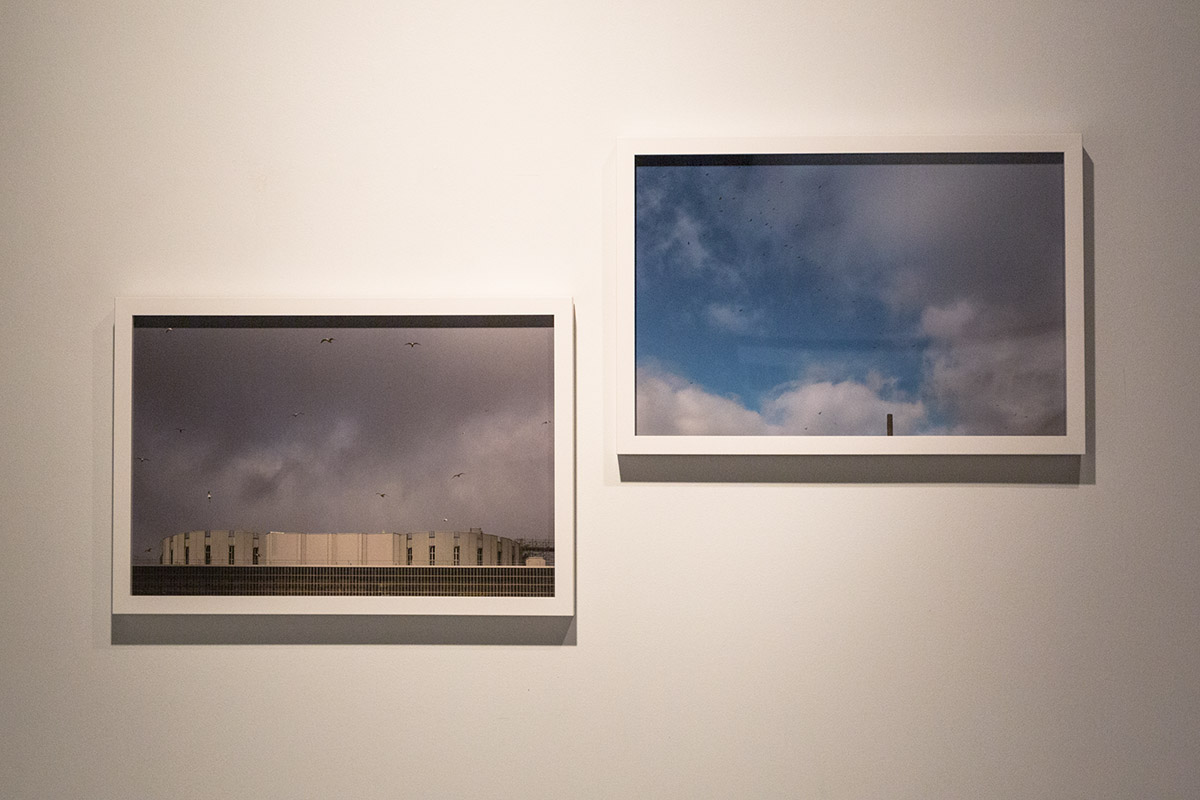
Merilyn Fairskye, Installation view, 2020 exhibition, Stills Gallery, Sydney, 2015
Long Life (Ranger)
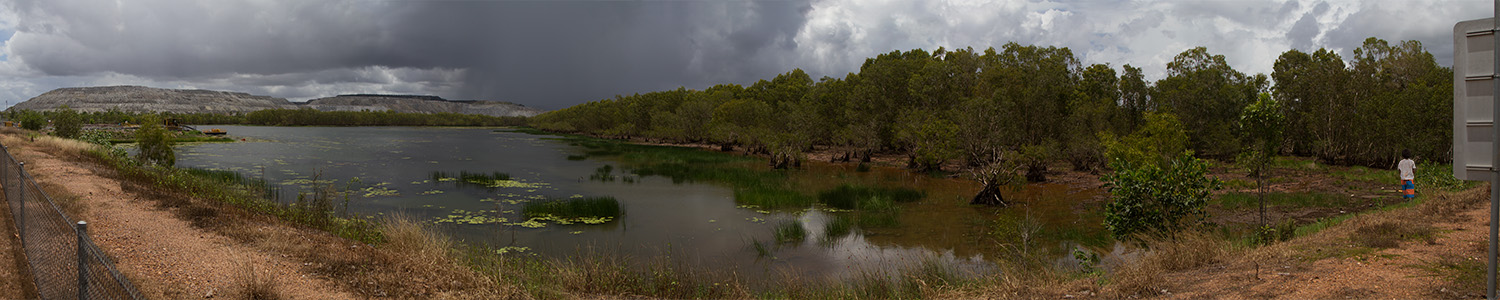
Merilyn Fairskye, Retention Pond (Ranger Uranium Mine, Kakadu National Park), 2016. Pigment print. 50x250cm. Edition of 5
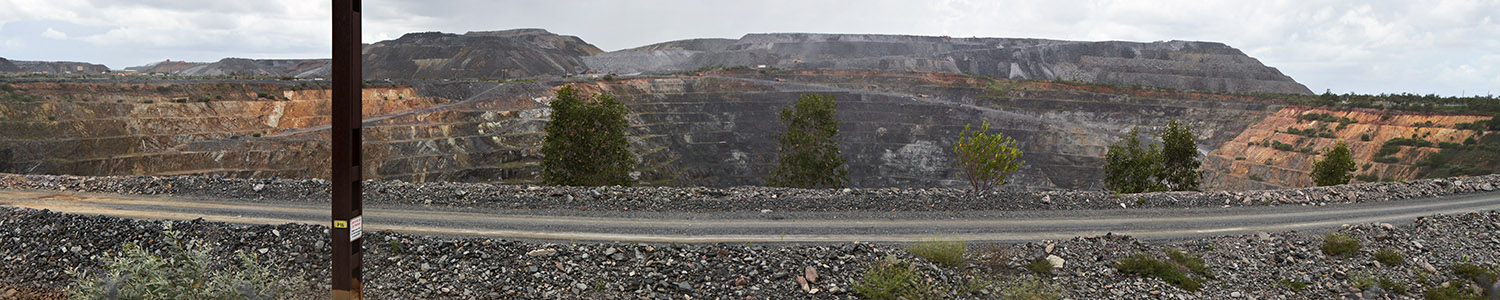
Merilyn Fairskye, Open Pit (Ranger Uranium Mine, Kakadu National Park), 2016. Pigment print. 50x150cm. Edition of 5
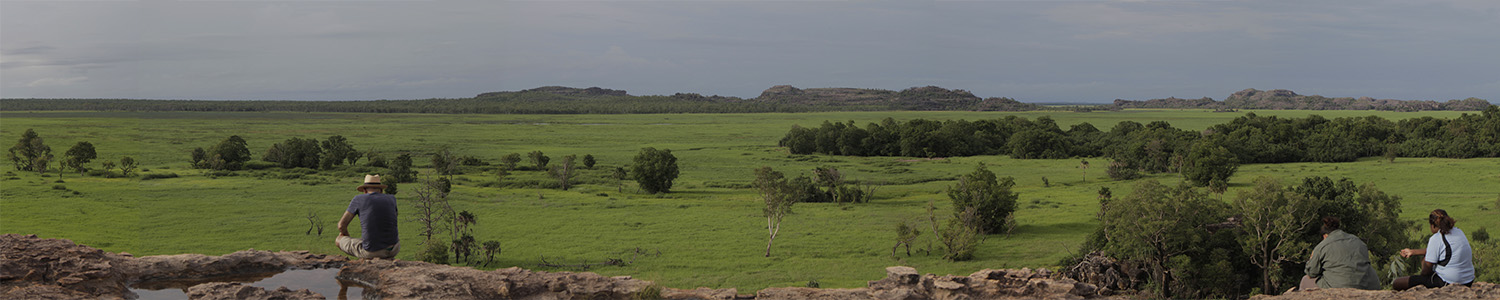
Merilyn Fairskye, Plateau (Ubirr, Kakadu National Park), 2016. Pigment print. 50x250cm. Edition of 5
Plant Life (Chernobyl)
The photo series Plant Life (Chernobyl) depicts areas around Chernobyl Nuclear Power Plant – site of the catastrophic accident of April 26, 1986.
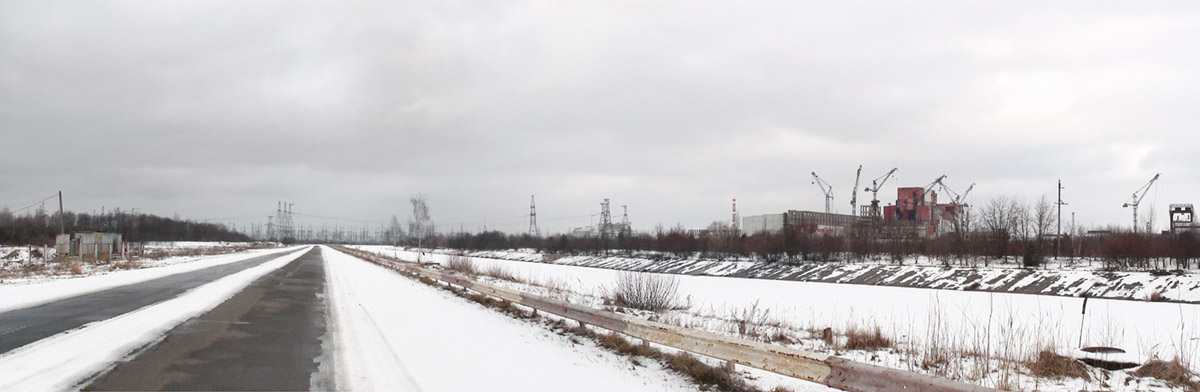
Merilyn Fairskye, Road In, 2011. Pigment print. 40x122.5cm. Edition of 5
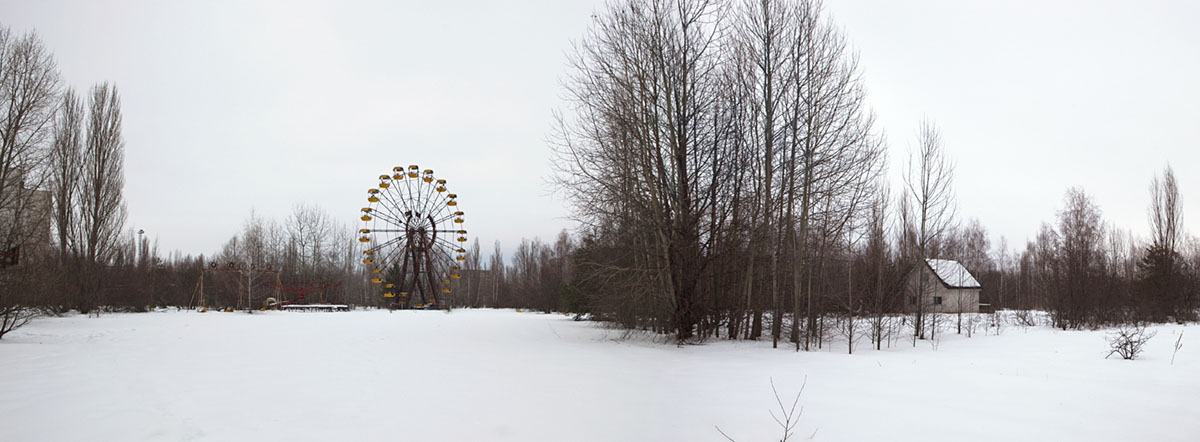
Merilyn Fairskye, Playground, 2011. Pigment print. 40x109cm. Edition of 5, available 80x218cm
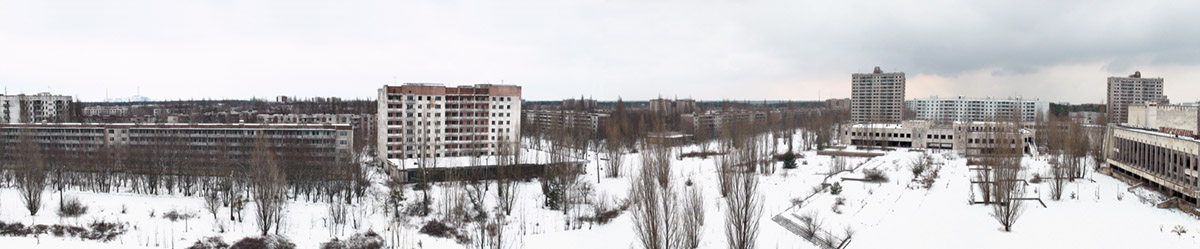
Merilyn Fairskye, Pripyat town, 2011. Pigment print. 40x192.5cm. Edition of 5
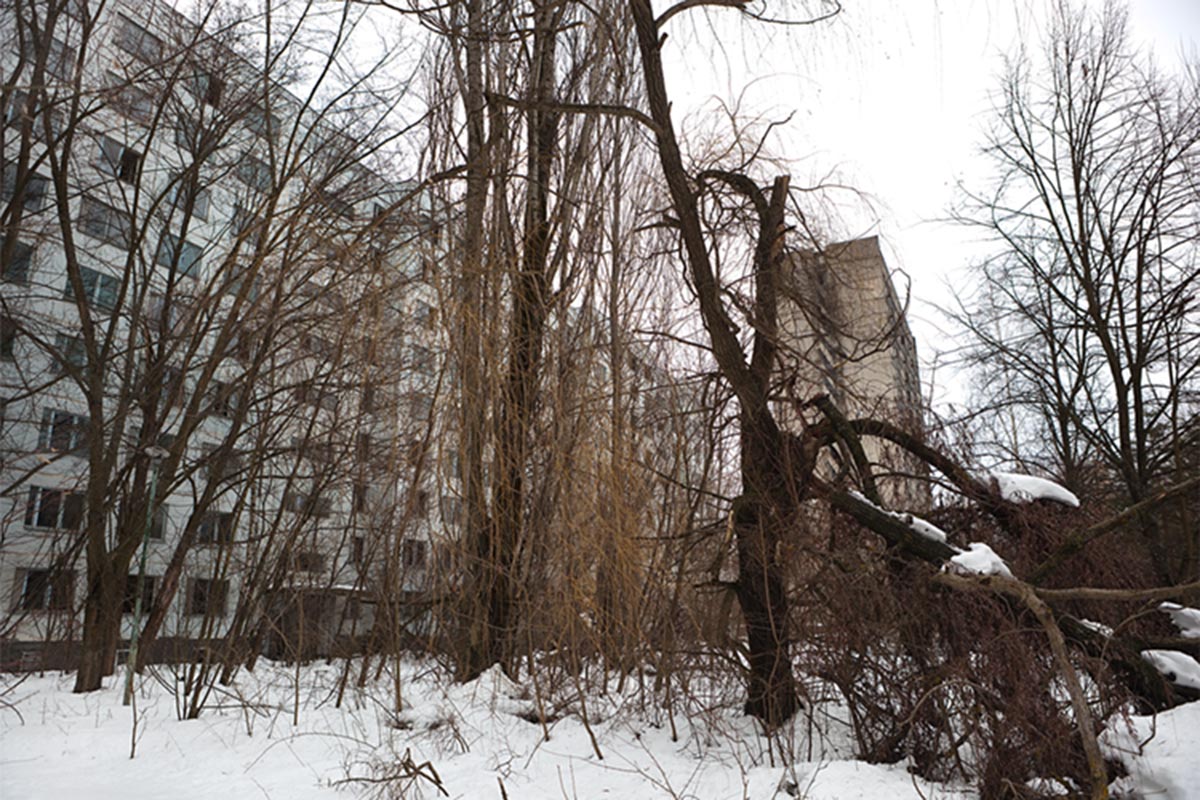
Merilyn Fairskye, Apartments, 2011. Pigment print. 80x120cm. Edition of 5
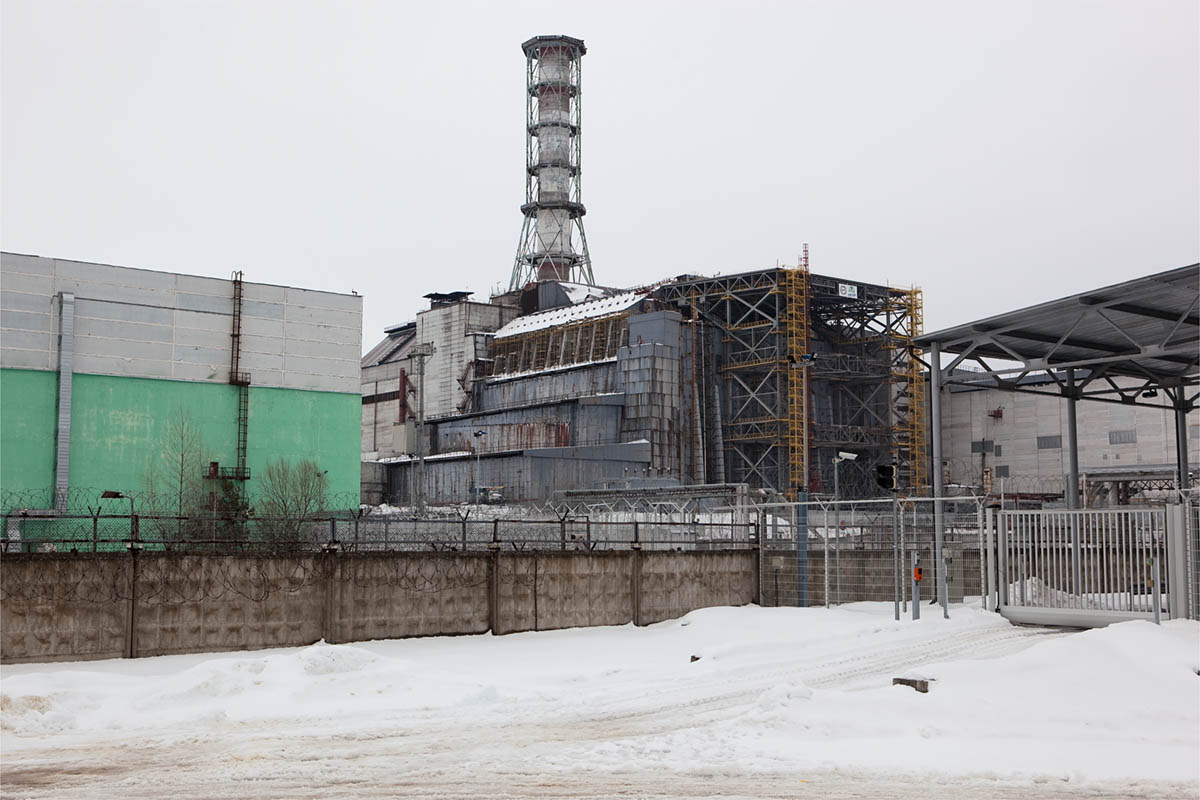
Merilyn Fairskye, Reactor 4, 2010. Pigment print. 80x120cm. Edition of 5
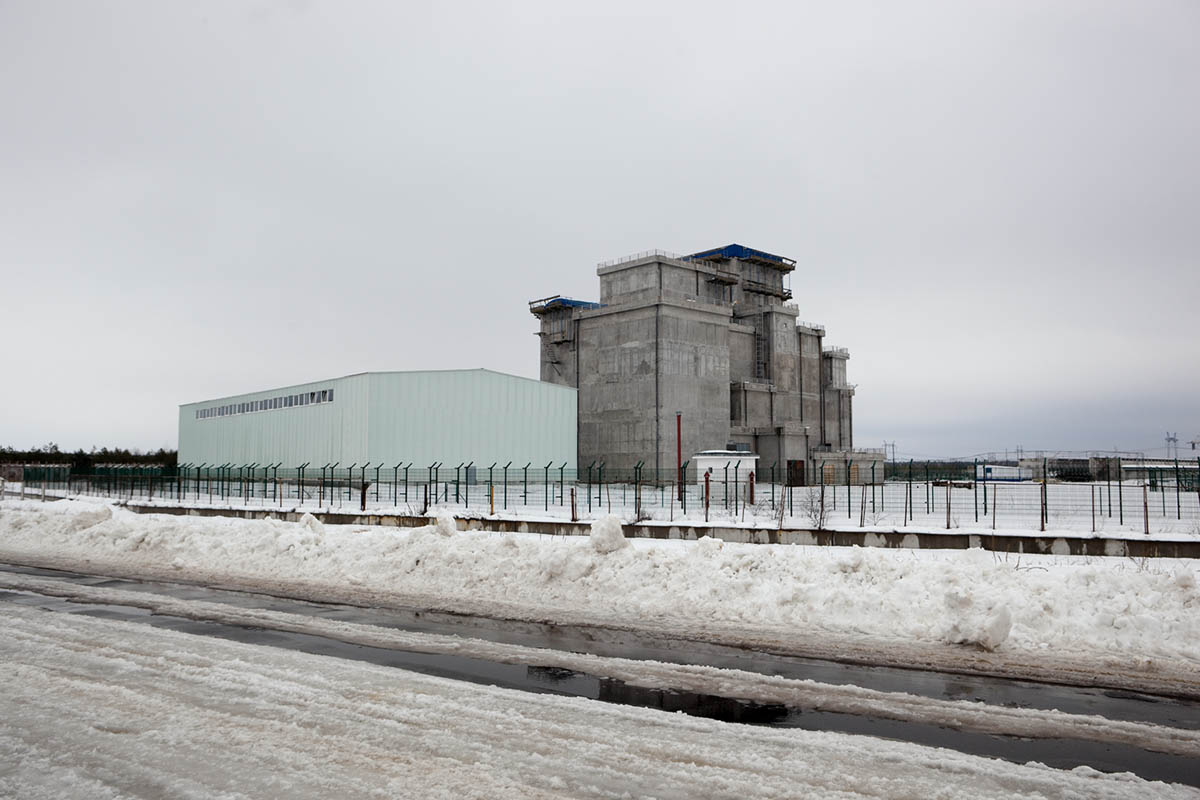
Merilyn Fairskye, Waste Plant, 2010. Pigment print. 80x120cm. Edition of 5
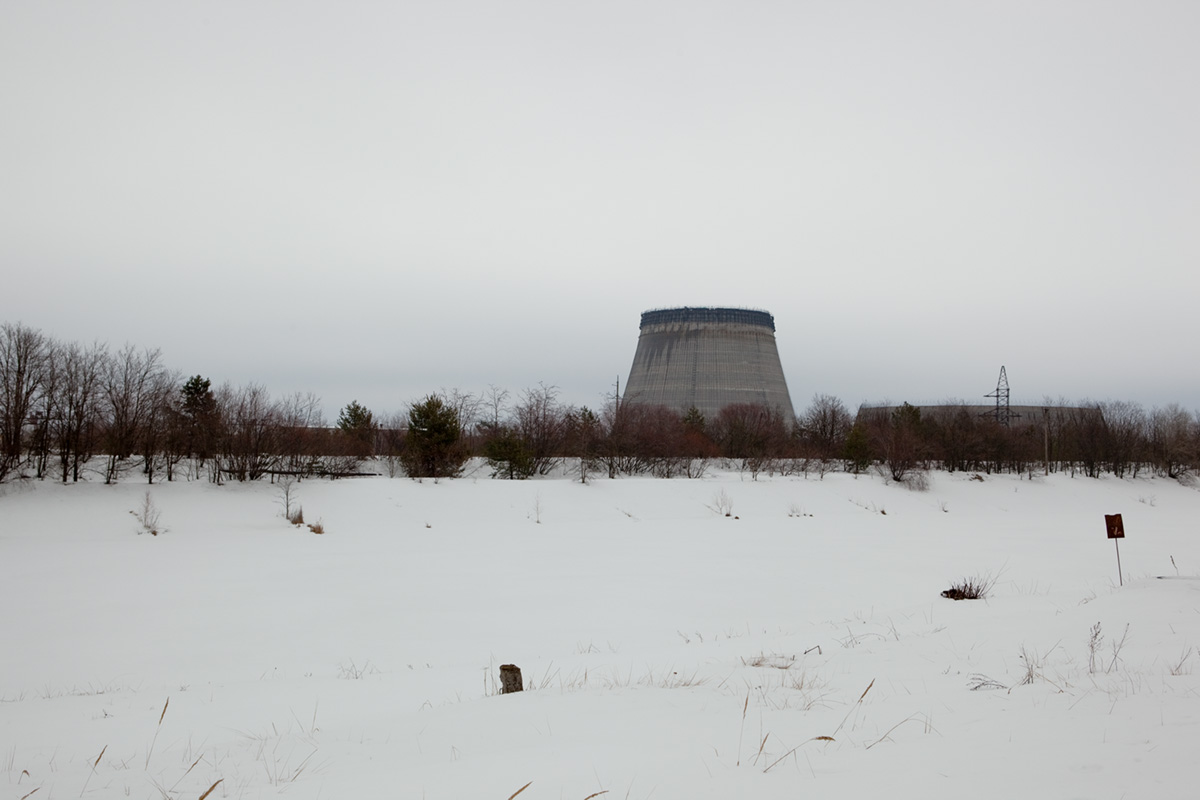
Merilyn Fairskye, Cooling Plant, 2010. Pigment print. 80x120cm. Edition of 5
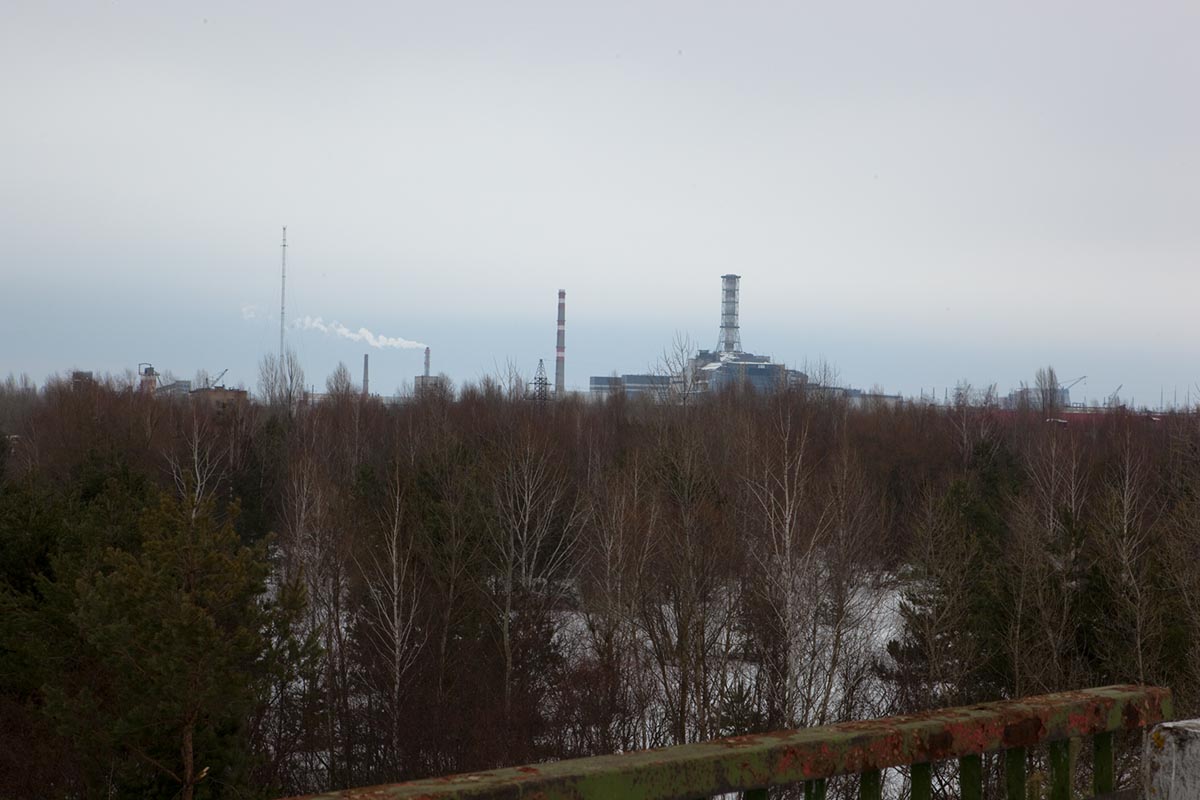
Merilyn Fairskye, Distant Reactor 4, 2011. Pigment print. 80x120cm. Edition of 5
Aqua
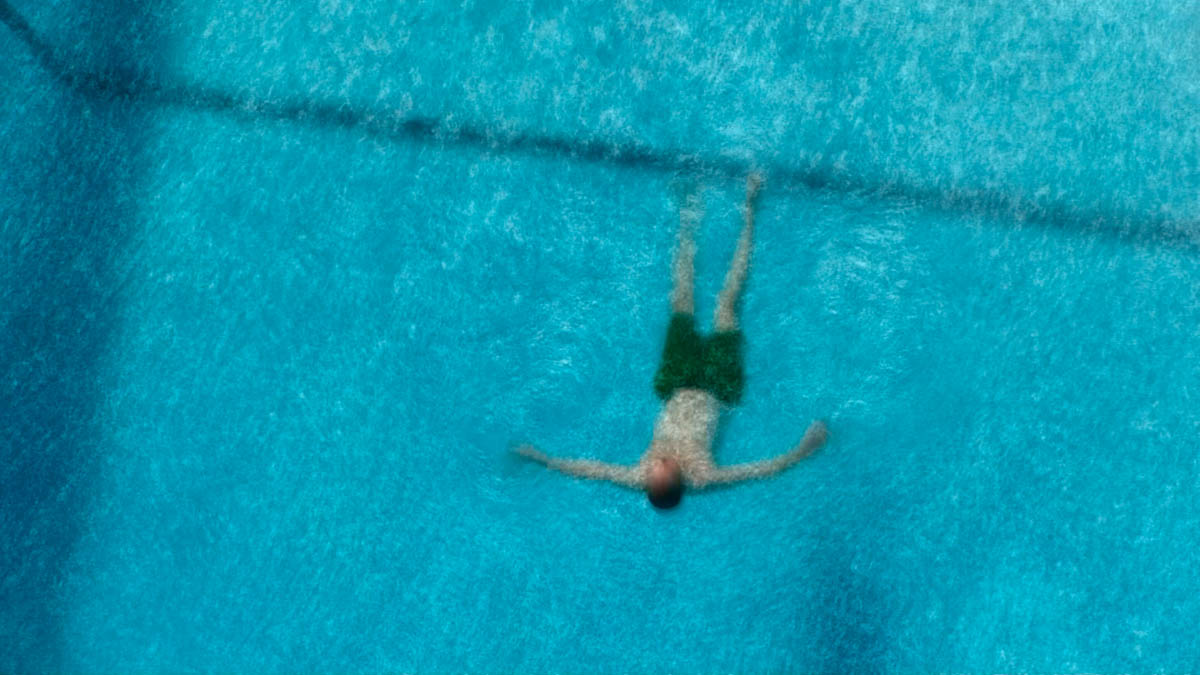
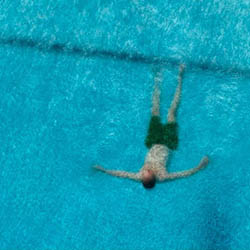
Merilyn Fairskye, Aqua/pool #1, 2007. Pigment print. 67.5x120cm. Edition of 5
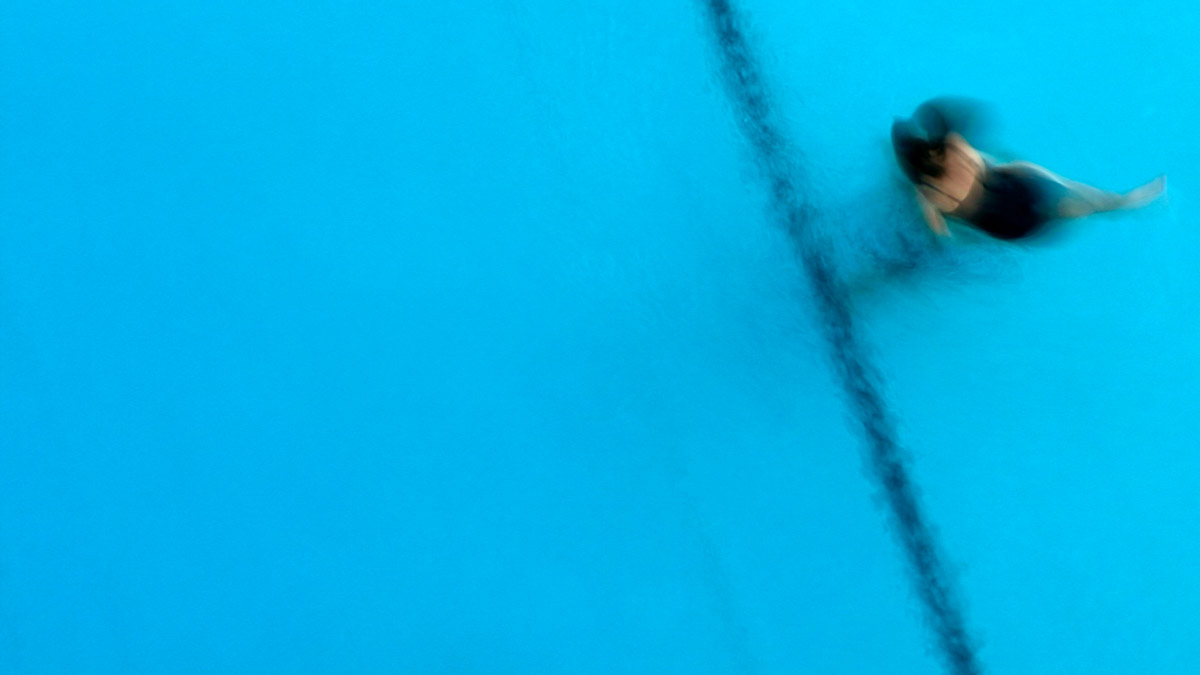
Merilyn Fairskye, Aqua/pool #1, 2007. Pigment print. 67.5x120cm. Edition of 5
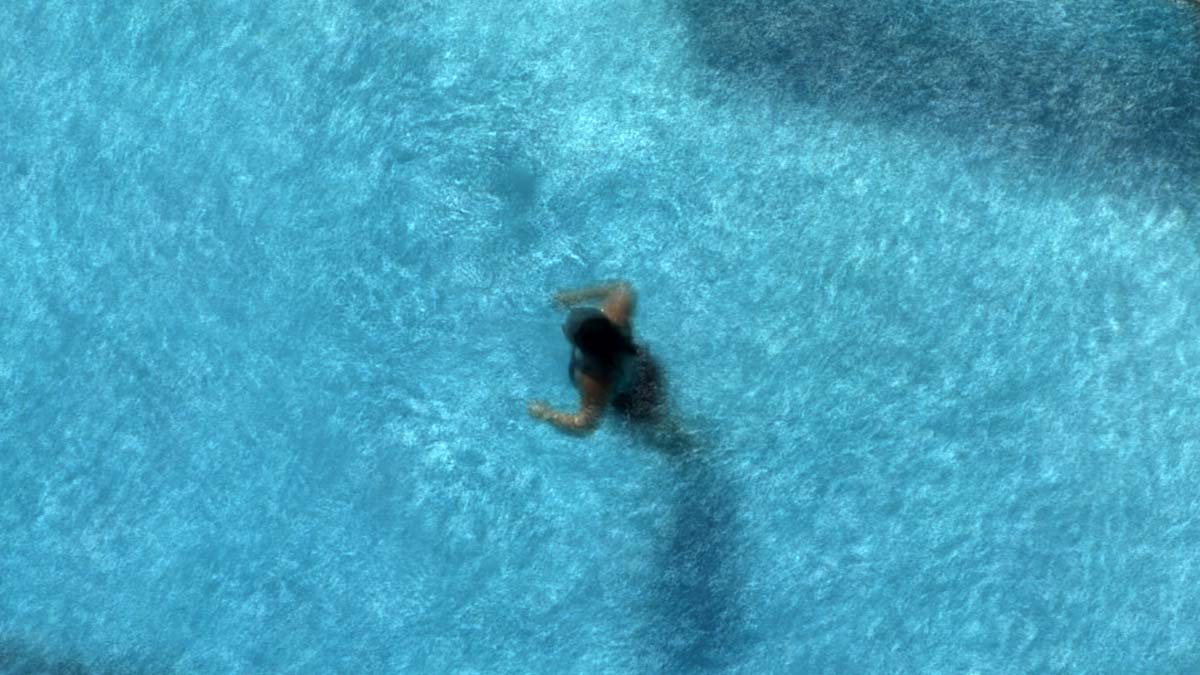
Merilyn Fairskye, Aqua/pool #1, 2007. Pigment print. 67.5x120cm. Edition of 5
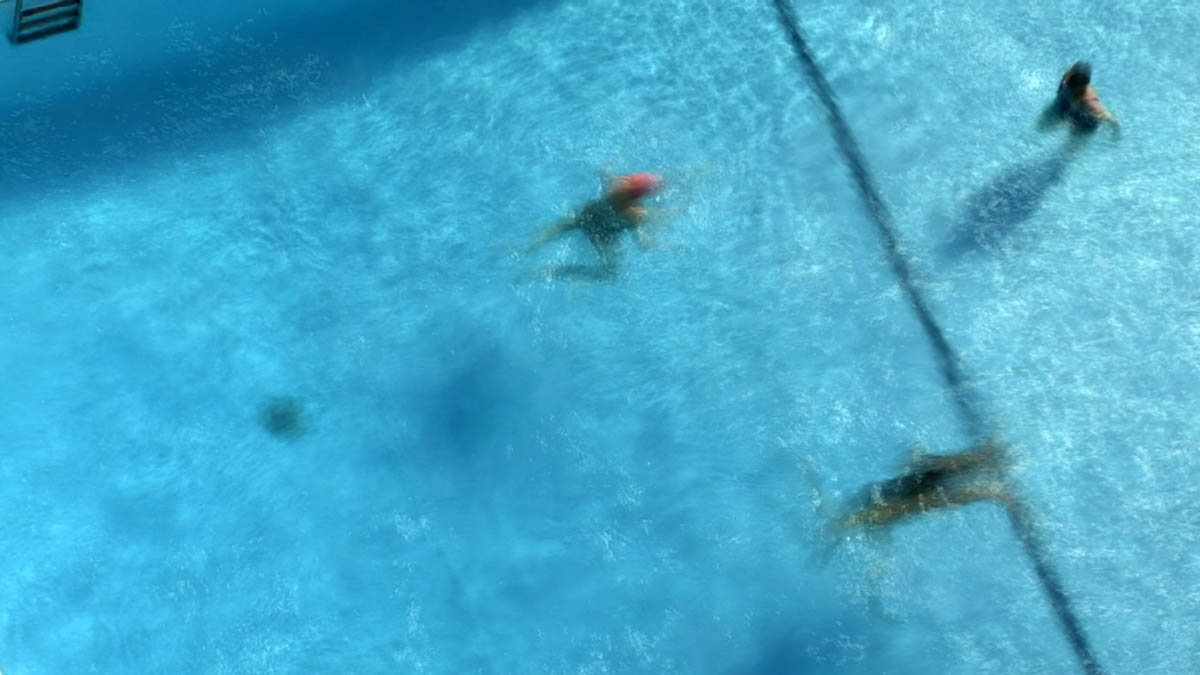
Merilyn Fairskye, Aqua/pool #1, 2007. Pigment print. 67.5x120cm. Edition of 5
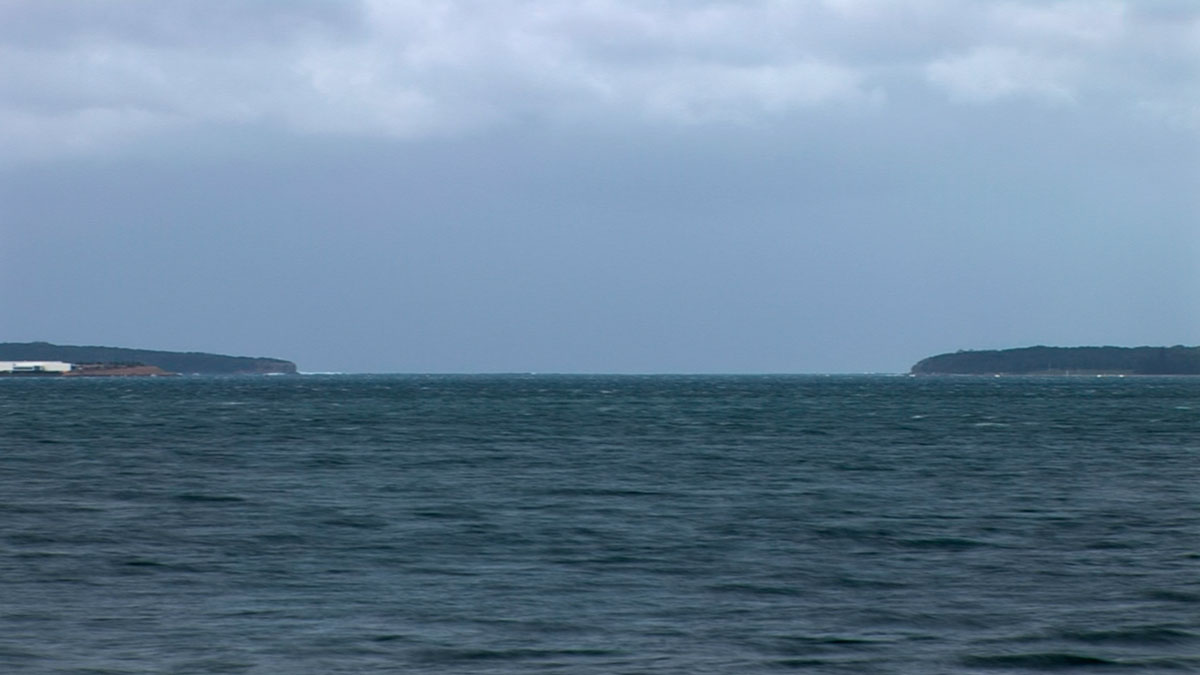
Merilyn Fairskye, Aqua/bay #1, 2007 Pigment print. 67.5x120cm. Edition of 5
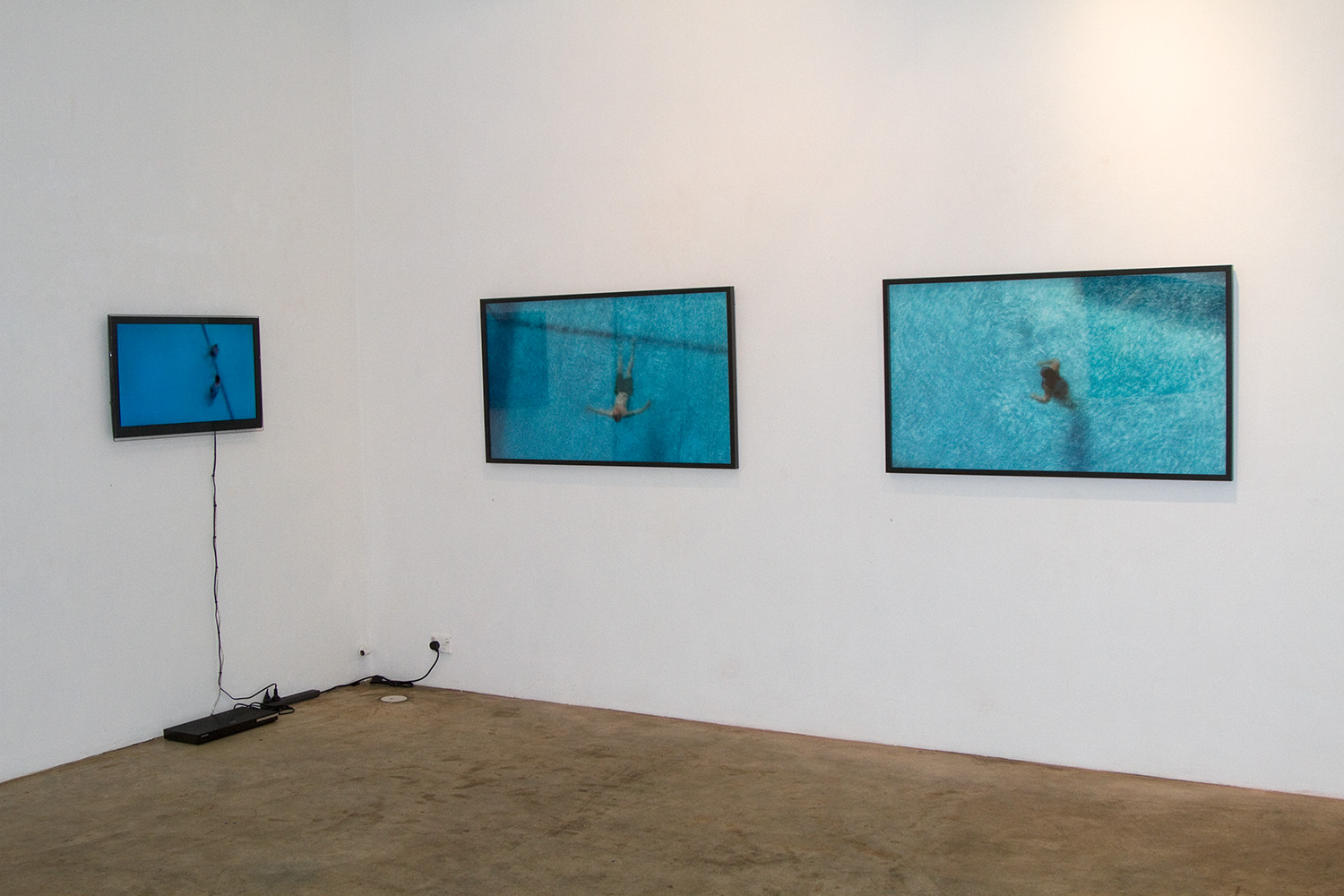
Merilyn Fairskye, installation view, Out of this World, William Wright Artist Projects, Sydney, 2013
Two videos, Aqua/pool and Aqua/ocean, accompany this work.
Aqua/Script
A series of photographic fragments of Merilyn Fairskye's abandoned film-scripts.
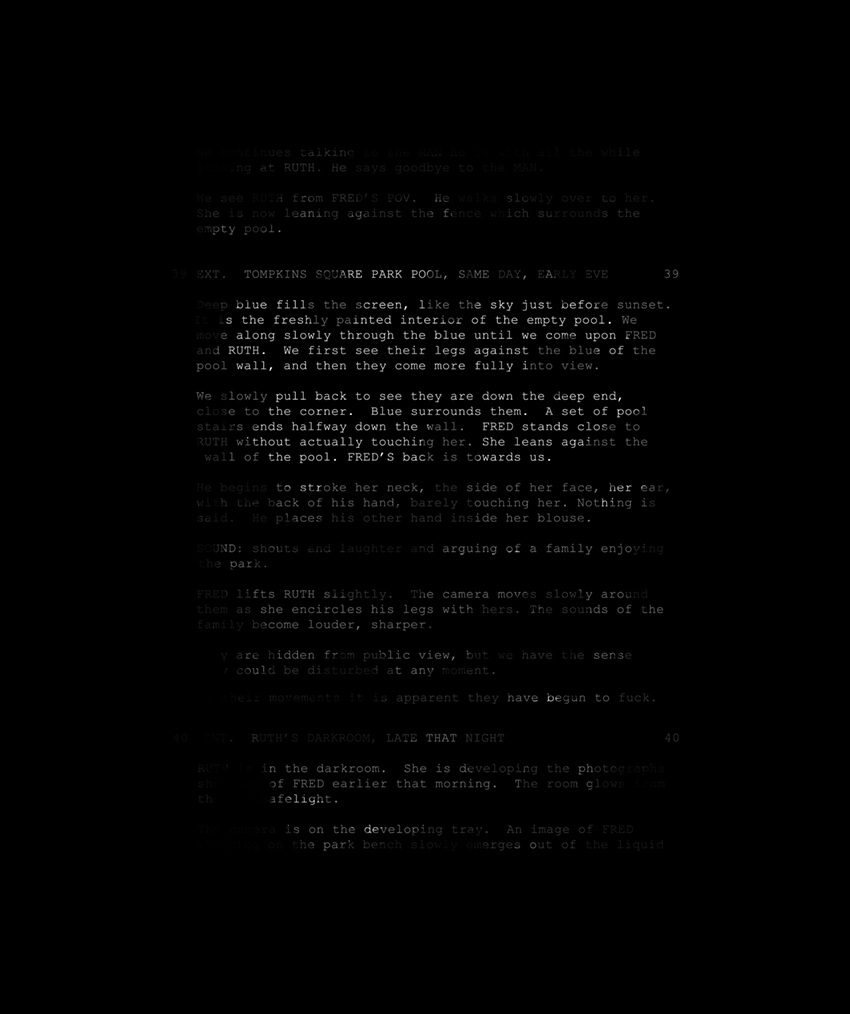
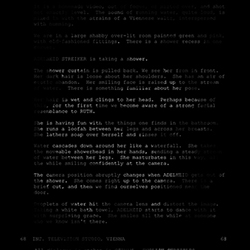
Merilyn Fairskye, Aqua/script #1, 2007. Pigment print. 60x51cm. Edition of 5
Stati d'Animo/Seconds
Several videos, made between 2005-2007, accompany this work. Link to Stati d'Animo.
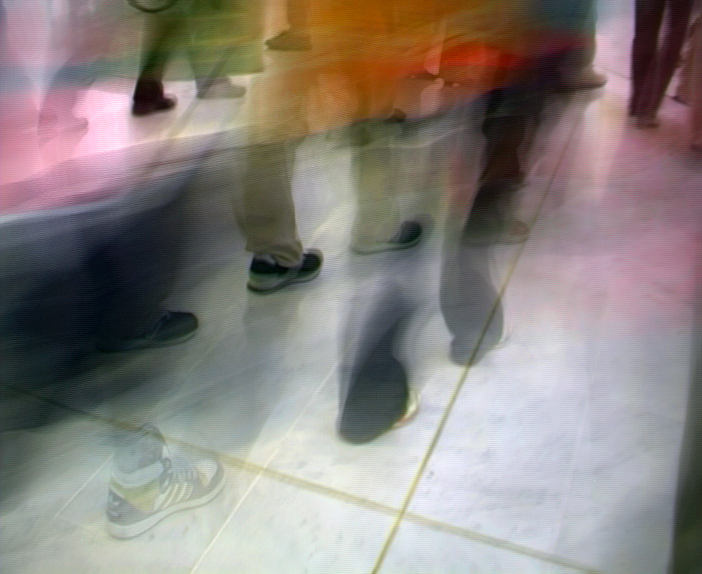
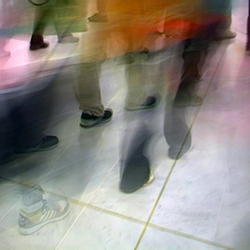
Merilyn Fairskye, CDG/#1/1sec, 2005. Pigment print. 40x50cm. Edition of 5
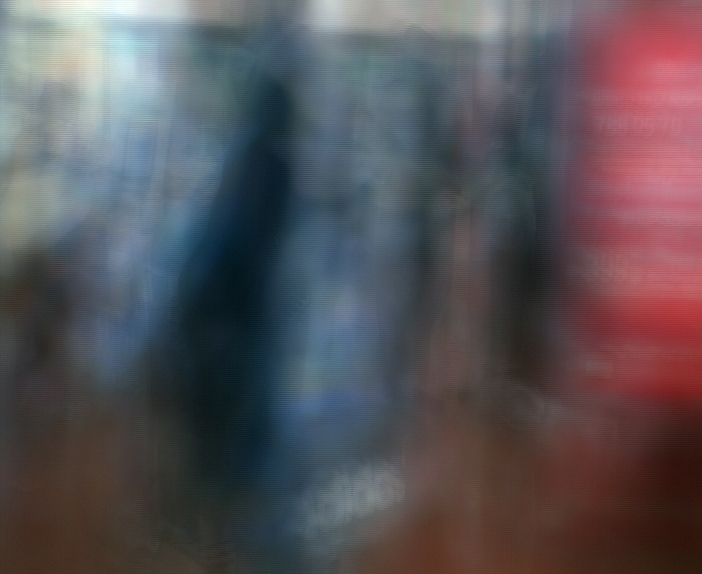
Merilyn Fairskye, CDG/#2/1sec, 2005. Pigment print. 40x50cm. Edition of 5
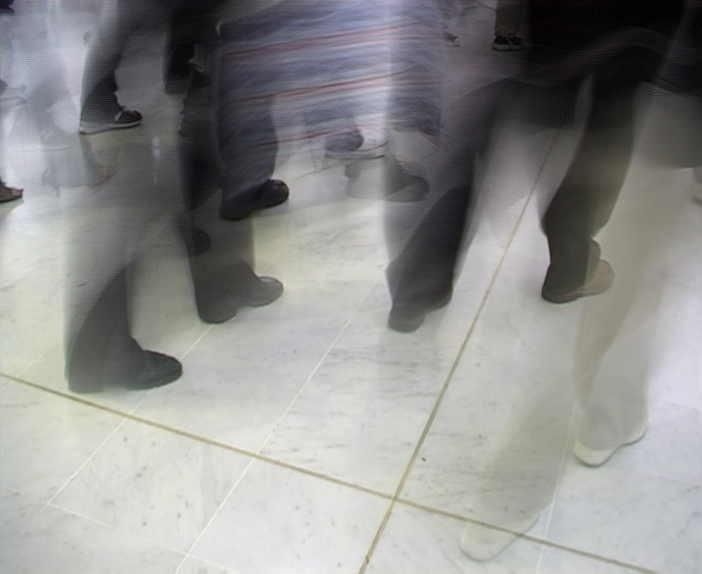
Merilyn Fairskye, CDG/#4/1sec, 2005. Pigment print. 40x50cm. Edition of 5
Merilyn Fairskye, SFO/#2/1sec, 2005. Pigment print. 40x50cm. Edition of 5
Merilyn Fairskye, KUL/#1/1sec, 2005. Pigment print. 40x50cm. Edition of 5
Merilyn Fairskye, BNE/#2/1sec, 2005. Pigment print. 40x50cm. Edition of 5
Merilyn Fairskye, HEL/#1/1sec, 2005. Pigment print. 40x50cm. Edition of 5
Merilyn Fairskye, BNE/#1/1sec, 2005. Pigment print. 40x50cm. Edition of 5
Merilyn Fairskye, PHL/#3/1sec, 2005. Pigment print. 40x50cm. Edition of 5
Merilyn Fairskye, GRU/#3/1sec, 2005. Pigment print. 40x50cm. Edition of 5
Merilyn Fairskye, SFO/#1/1sec, 2005. Pigment print. 40x50cm. Edition of 5
Merilyn Fairskye, SYD/#7/1sec, 2005. Pigment print. 40x50cm. Edition of 5
Merilyn Fairskye, SFO/#3/1sec, 2005. Pigment print. 40x50cm. Edition of 5
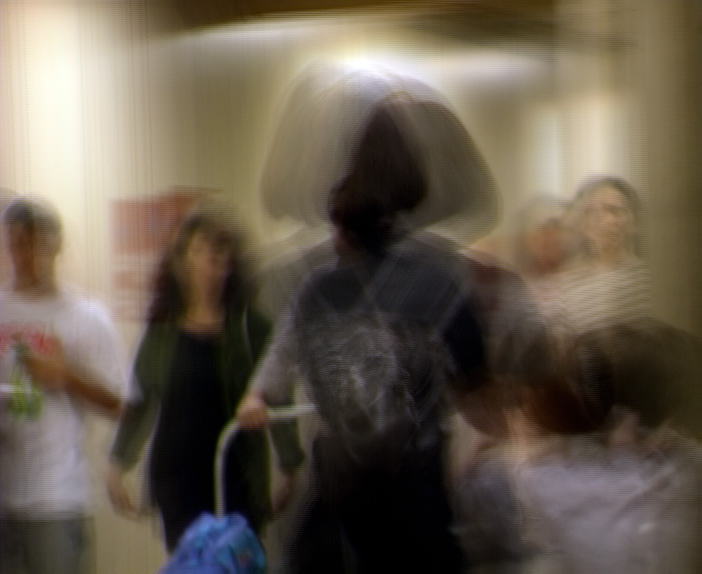
Merilyn Fairskye, GRU/#6/1sec, 2005. Pigment print. 40x50cm. Edition of 5
Merilyn Fairskye, SFO/#4/1sec, 2005. Pigment print. 40x50cm. Edition of 5
Merilyn Fairskye, SYD/#6/1sec, 2005. Pigment print. 40x50cm. Edition of 5
Merilyn Fairskye, GRU/#4/1sec, 2005. Pigment print. 40x50cm. Edition of 5
Stati d'Animo/9 Seconds
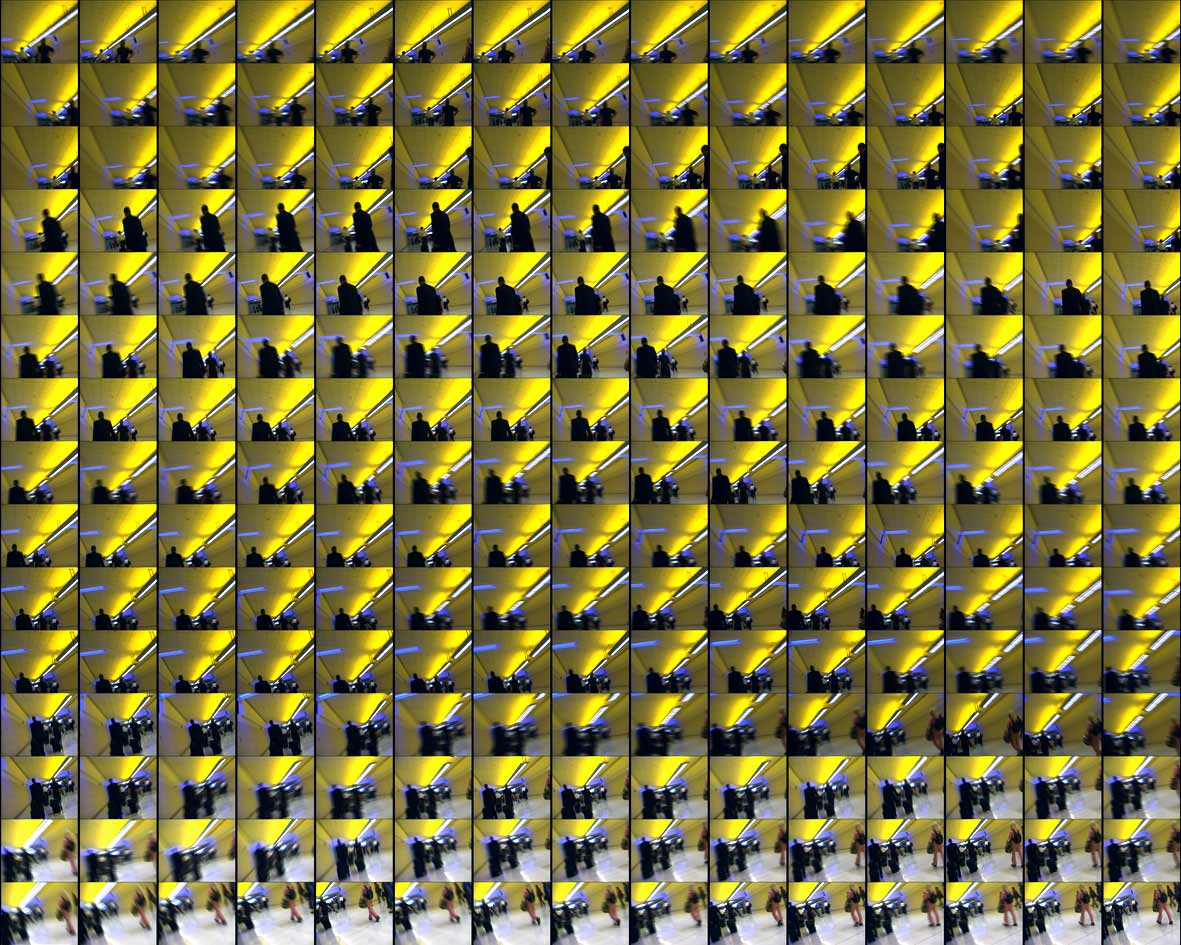
Merilyn Fairskye, SFO/#2/9secs. 2005. Pigment print. 96x120cm. Edition of 5.
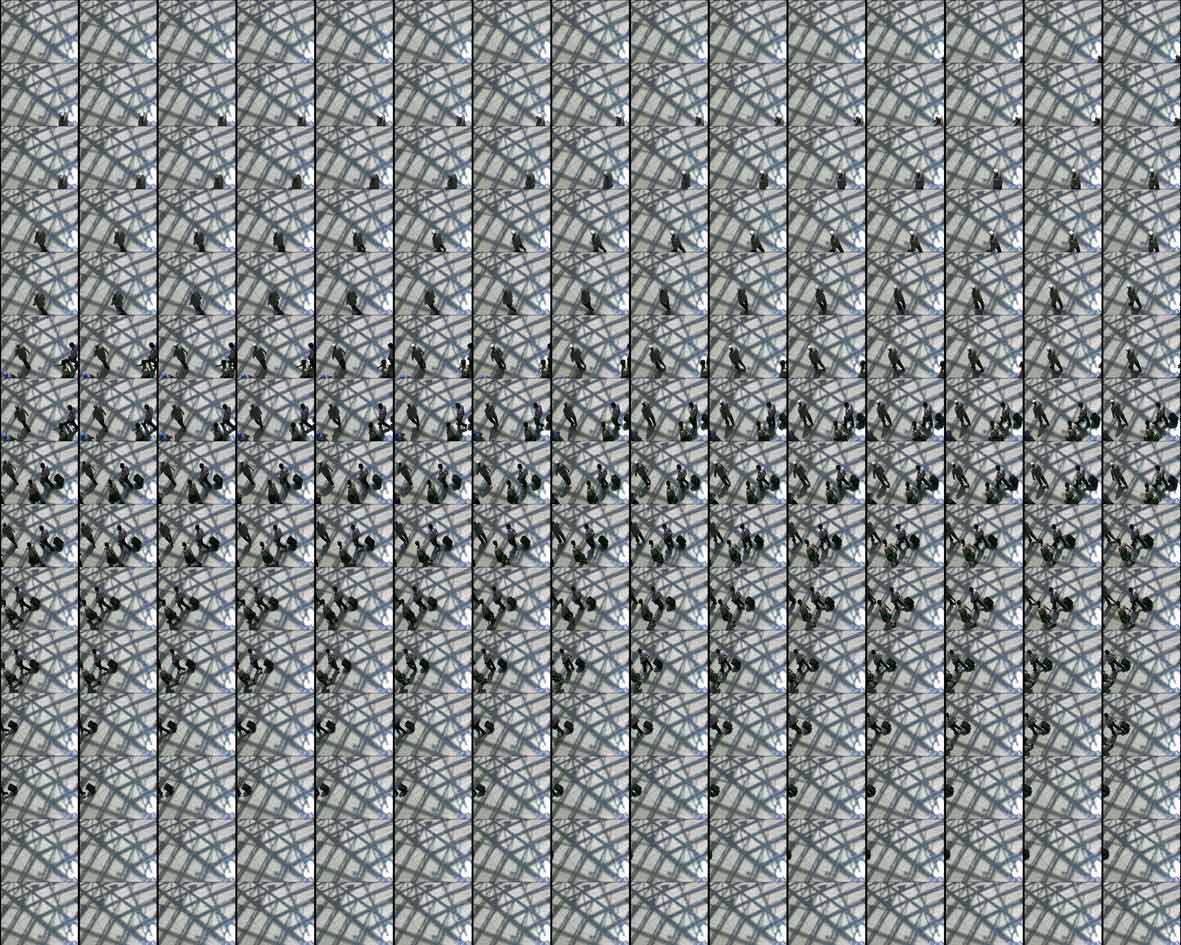
Merilyn Fairskye, KUL/#2/9secs, 2005. Pigment print. 96x120cm. Edition of 5
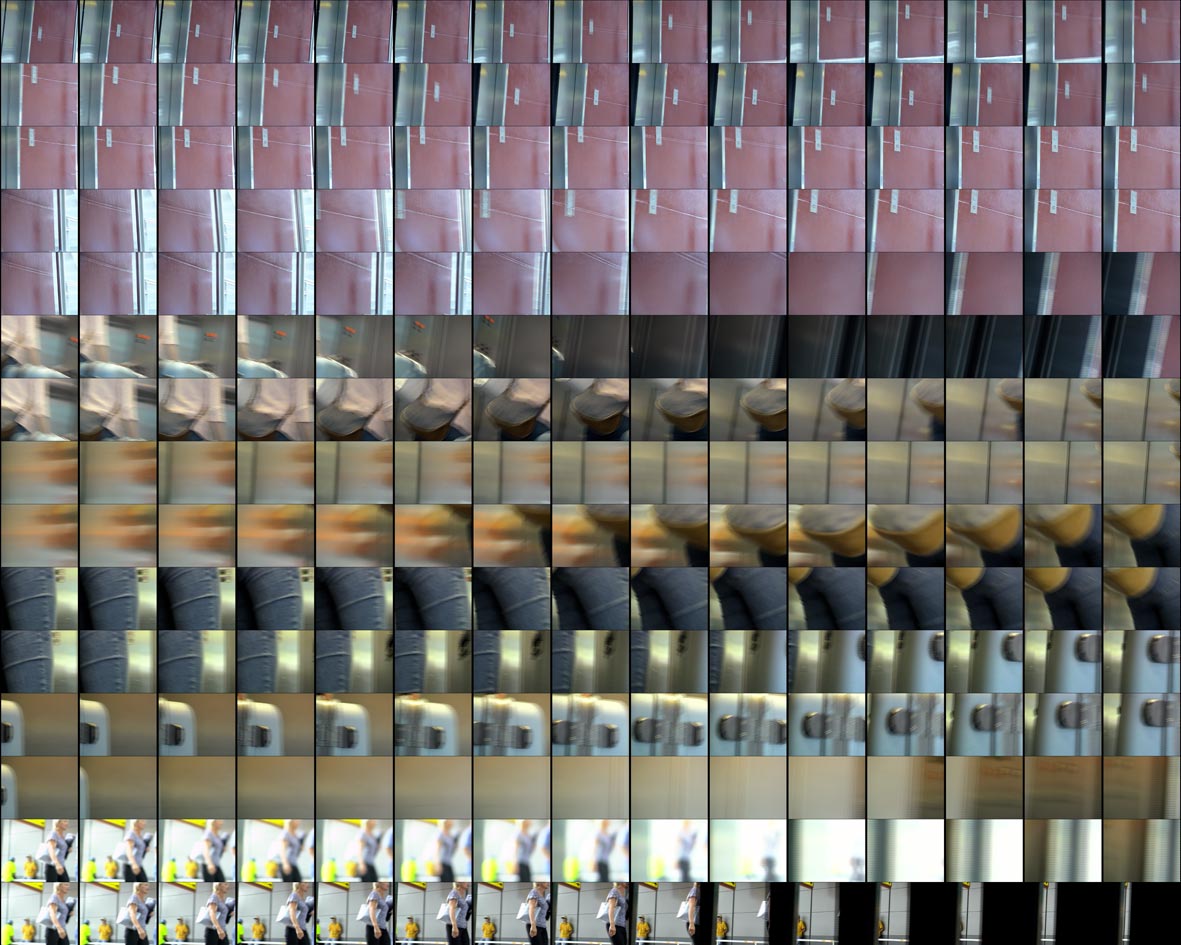
Merilyn Fairskye, BNE/#2/9sec, 2005. Pigment print. 96x120cm. Edition of 5
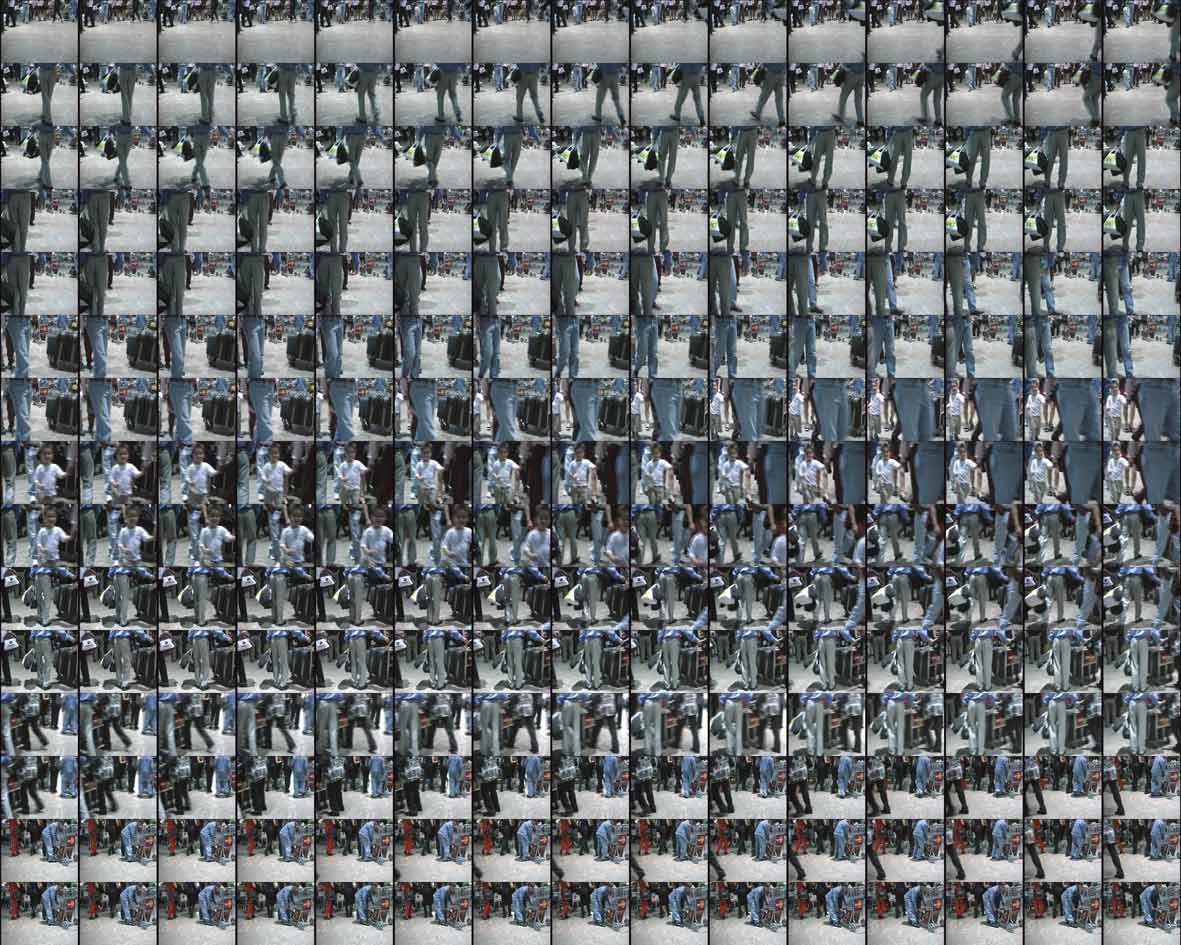
Merilyn Fairskye, GRU/#4/9secs, 2005. Pigment print. 96x120cm. Edition of 5
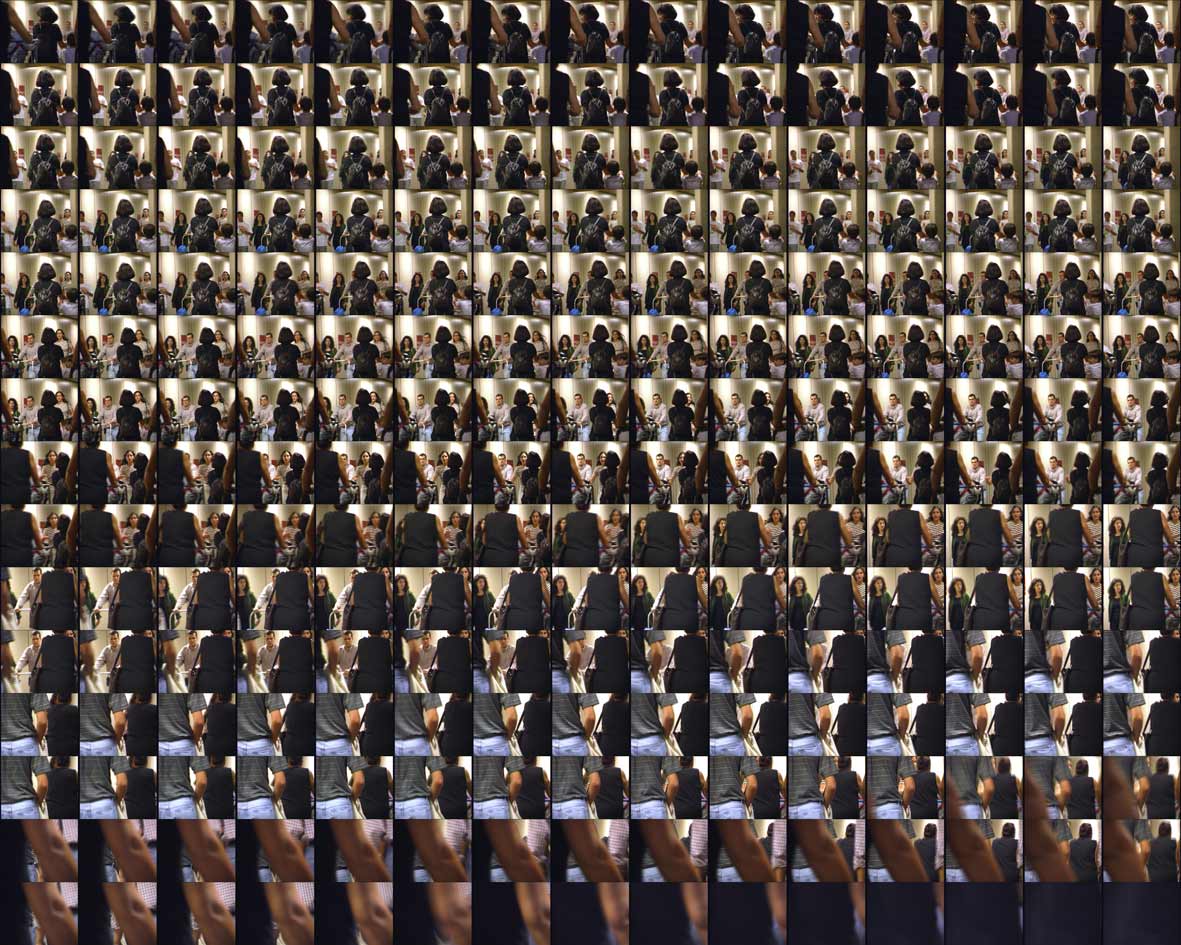
Merilyn Fairskye, GRU/#6/9secs, 2005. Pigment print. 96x120cm. Edition of 5
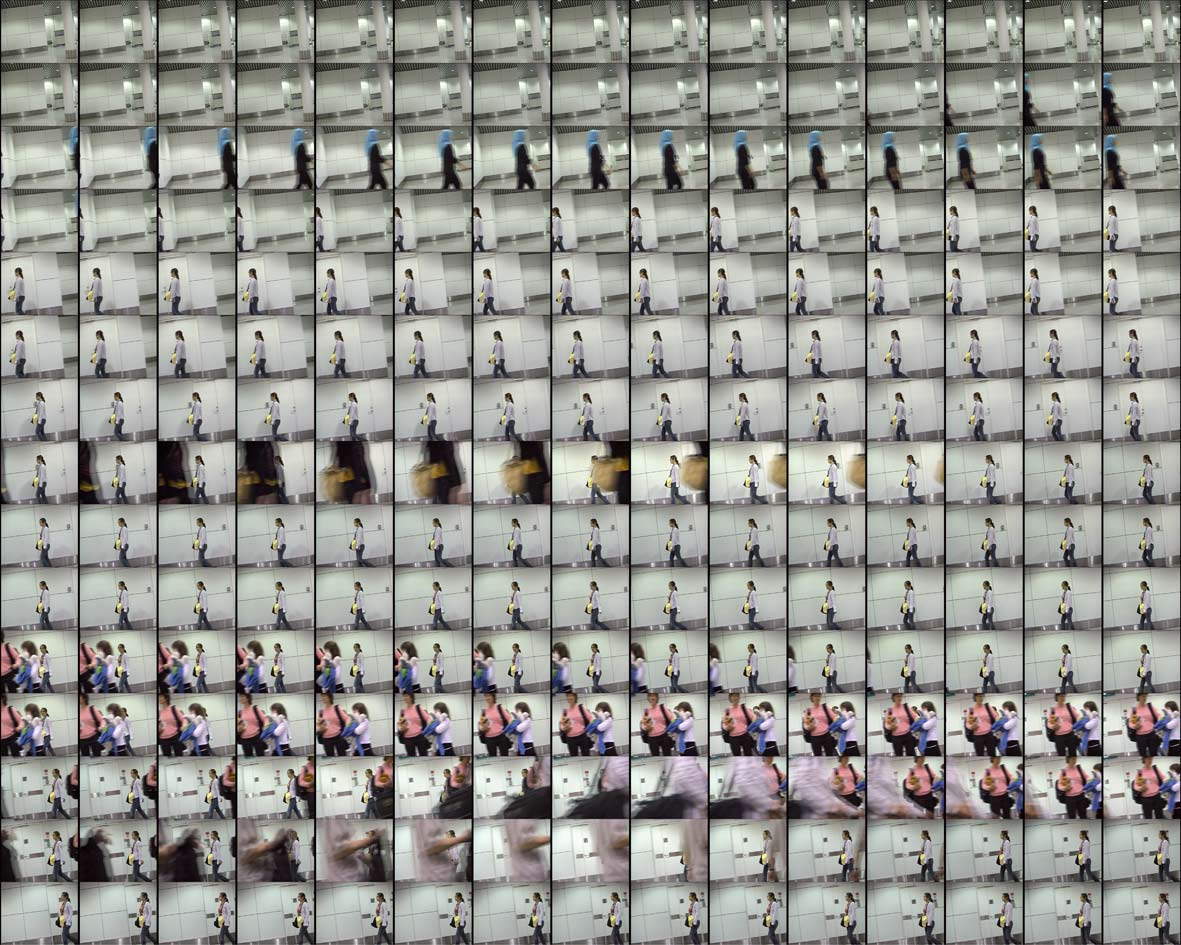
Merilyn Fairskye, KUL/#1/9sec, 2005. Pigment print. 96x120cm. Edition of 5
Connected
Nine RA-4 Prints on Duraclear, steel hooks
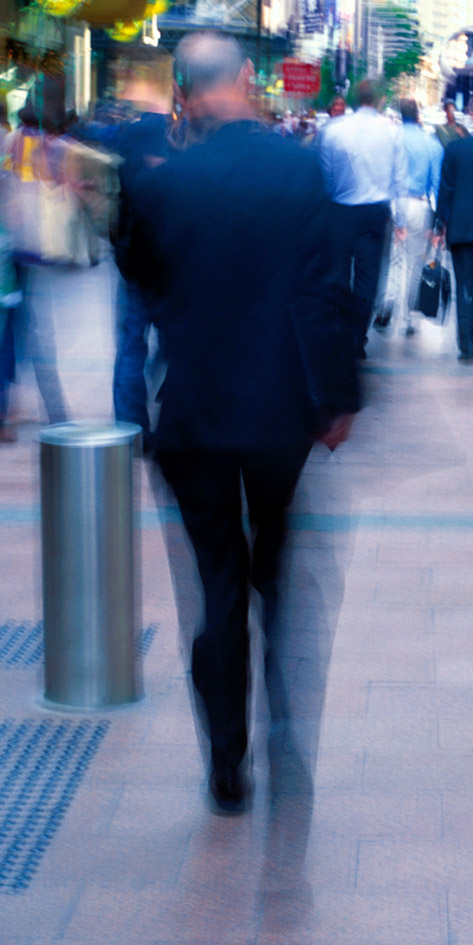
Merilyn Fairskye, Connected #7, 2003
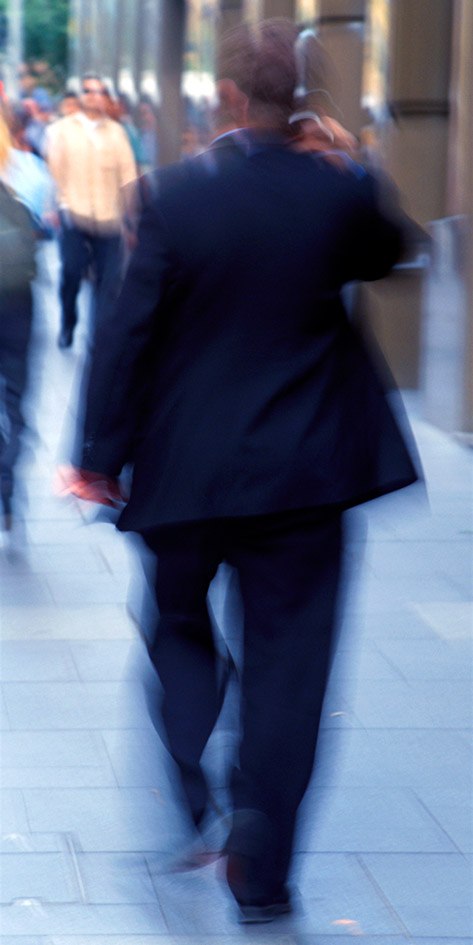
Merilyn Fairskye, Connected #8, 2003
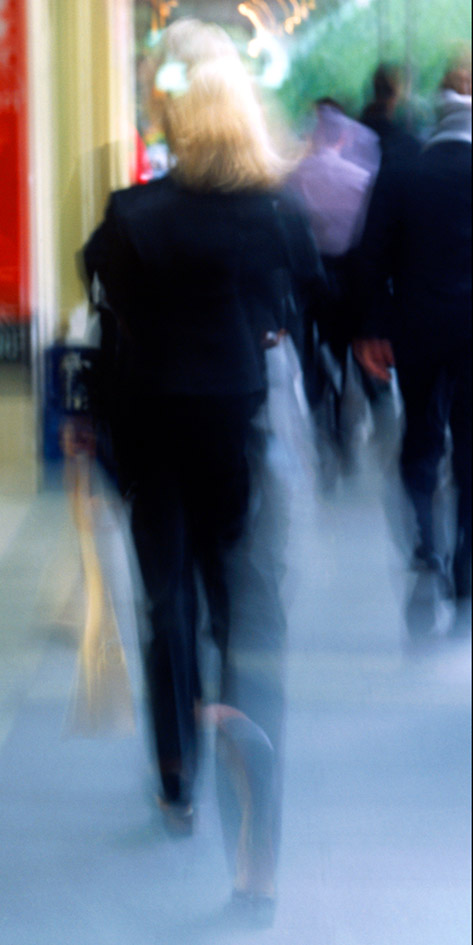
Merilyn Fairskye, Connected #9, 2003
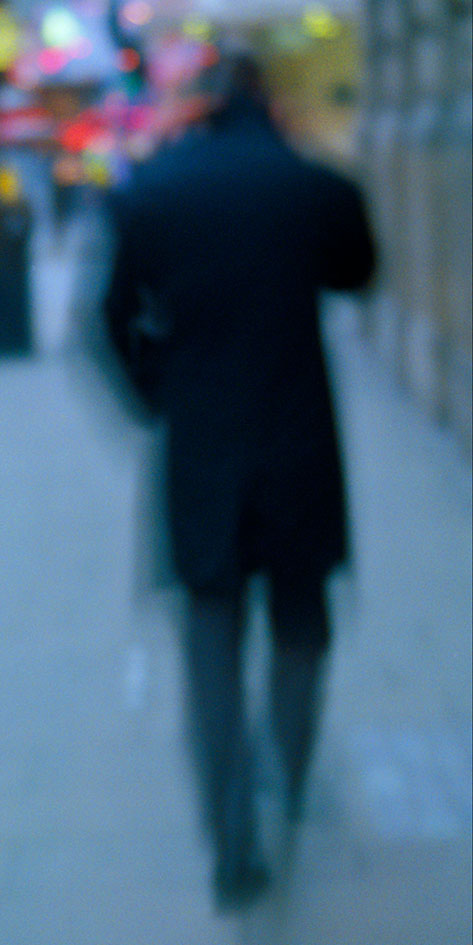
Merilyn Fairskye, Connected #10, 2003
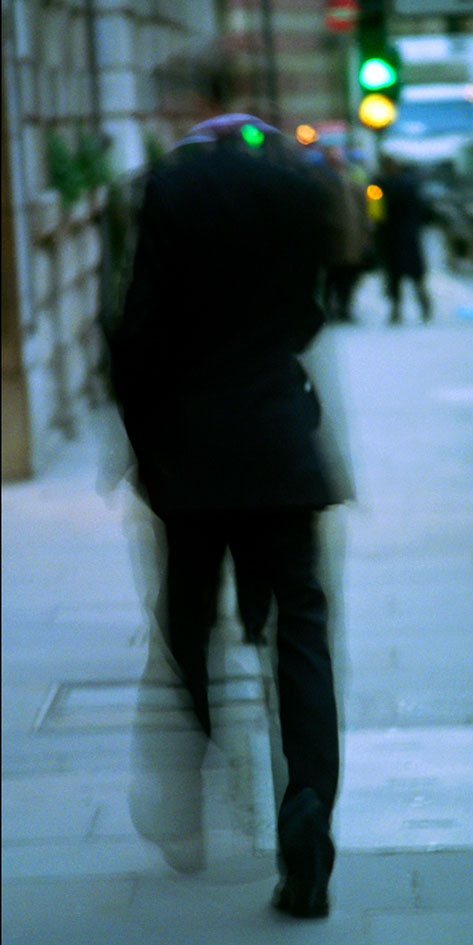
Merilyn Fairskye, Connected #11, 2003
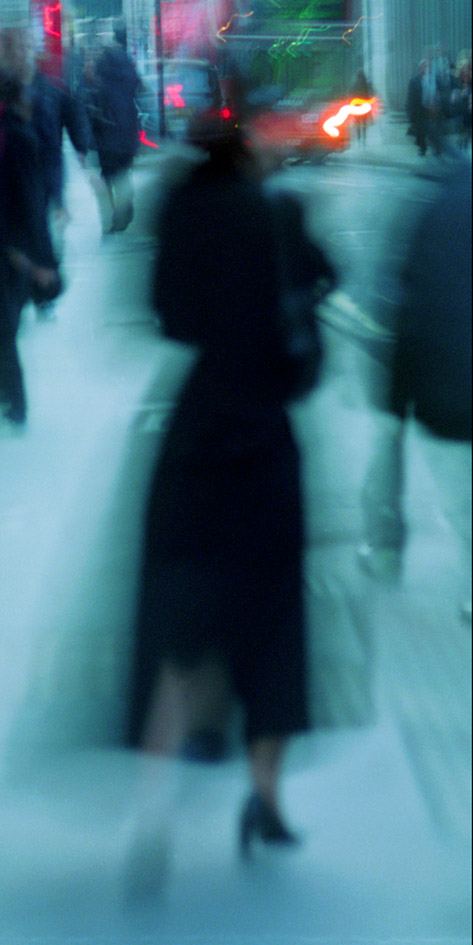
Merilyn Fairskye, Connected #12, 2003
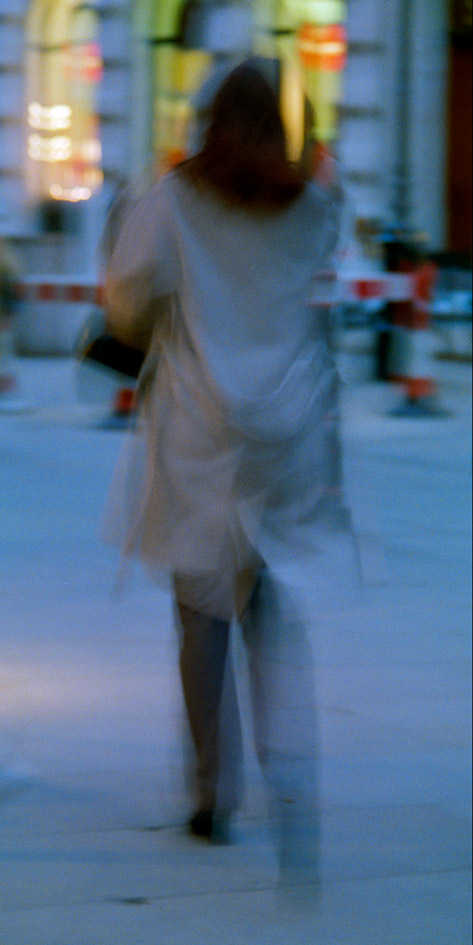
Merilyn Fairskye, Connected #13, 2003
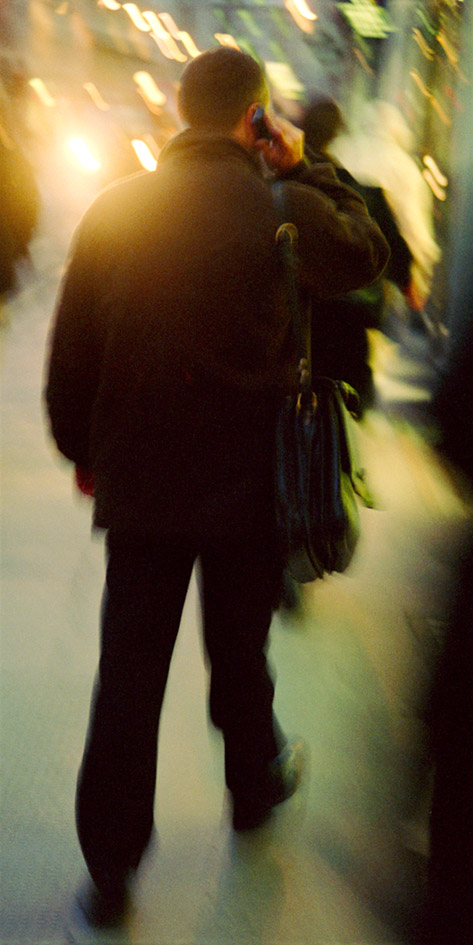
Merilyn Fairskye, Connected #14, 2003
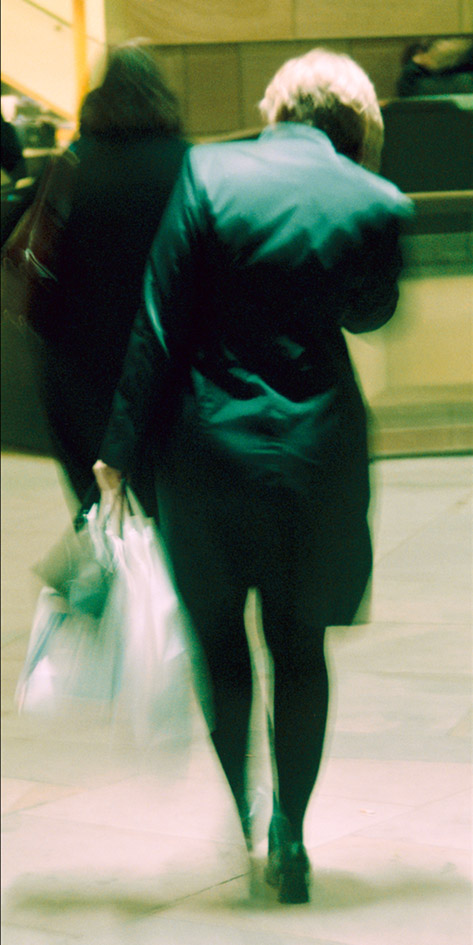
Merilyn Fairskye, Connected #15, 2003
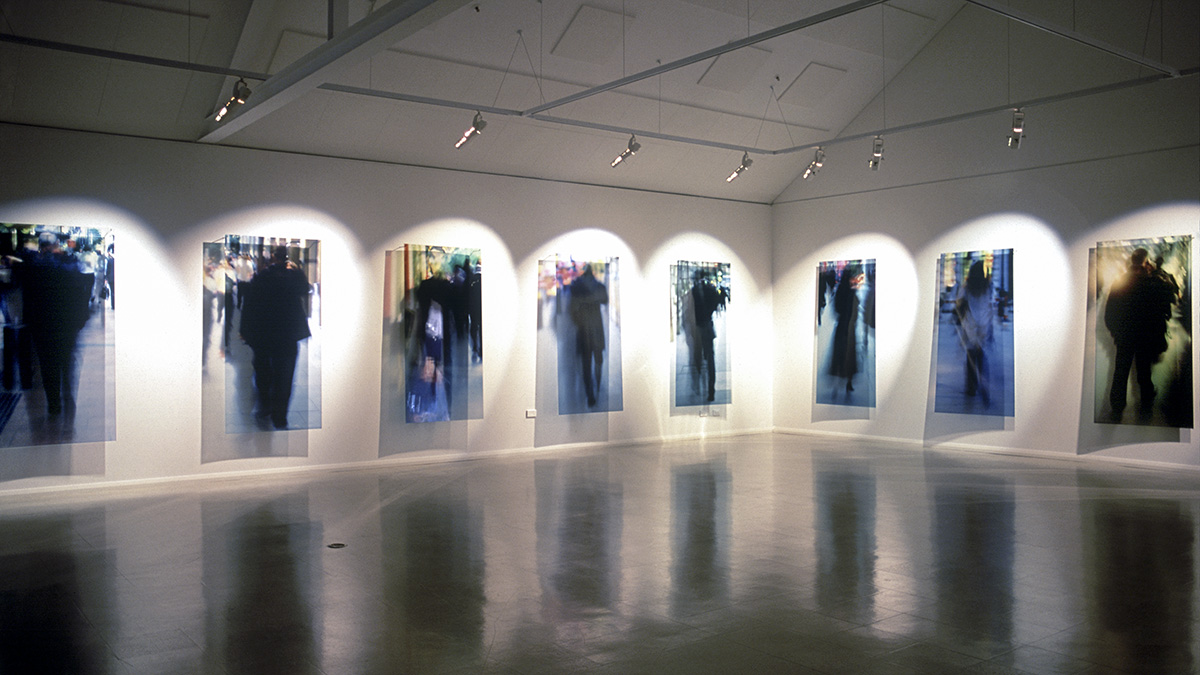
Merilyn Fairskye, installation View, Connected, Araluen Galleries, Alice Springs, NT, 2003
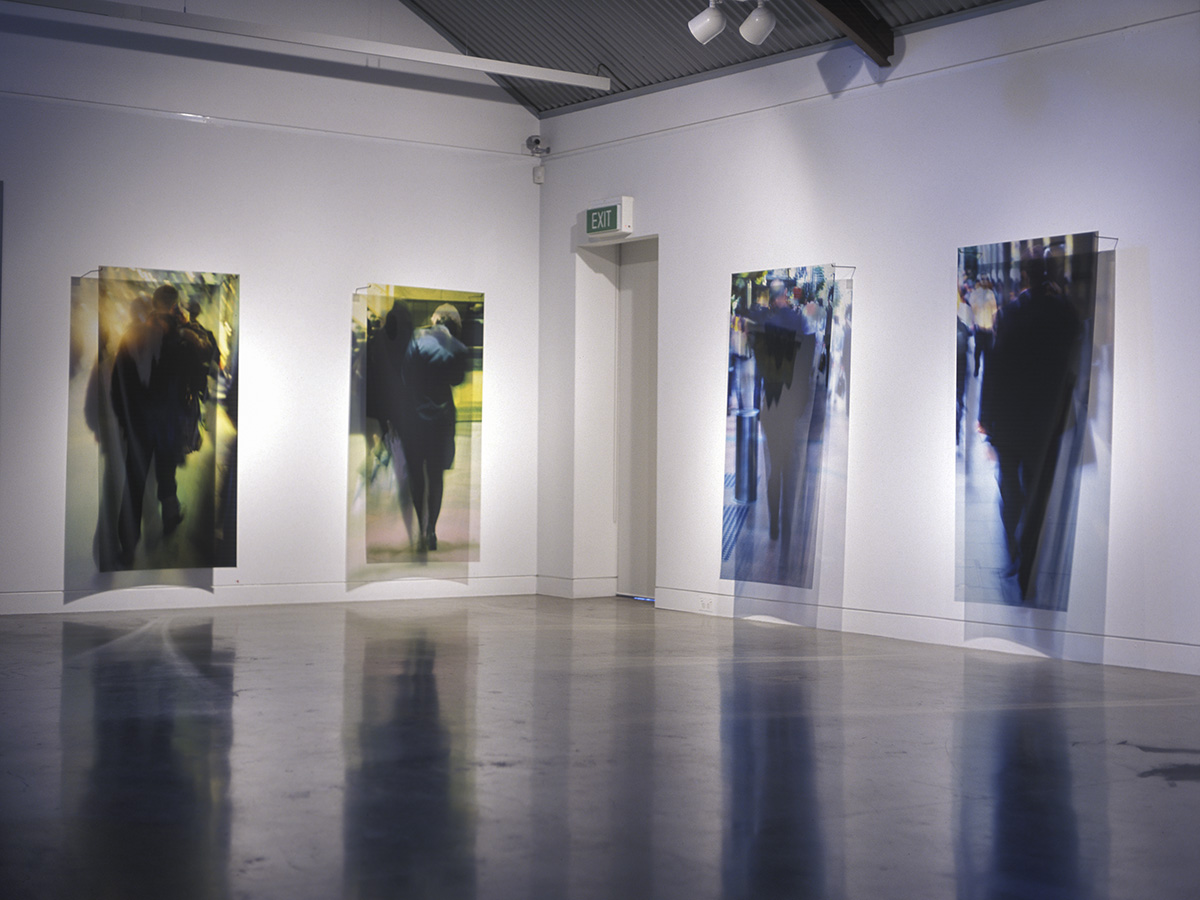
Merilyn Fairskye, installation View, Connected, Stills Gallery, Sydney, 2003
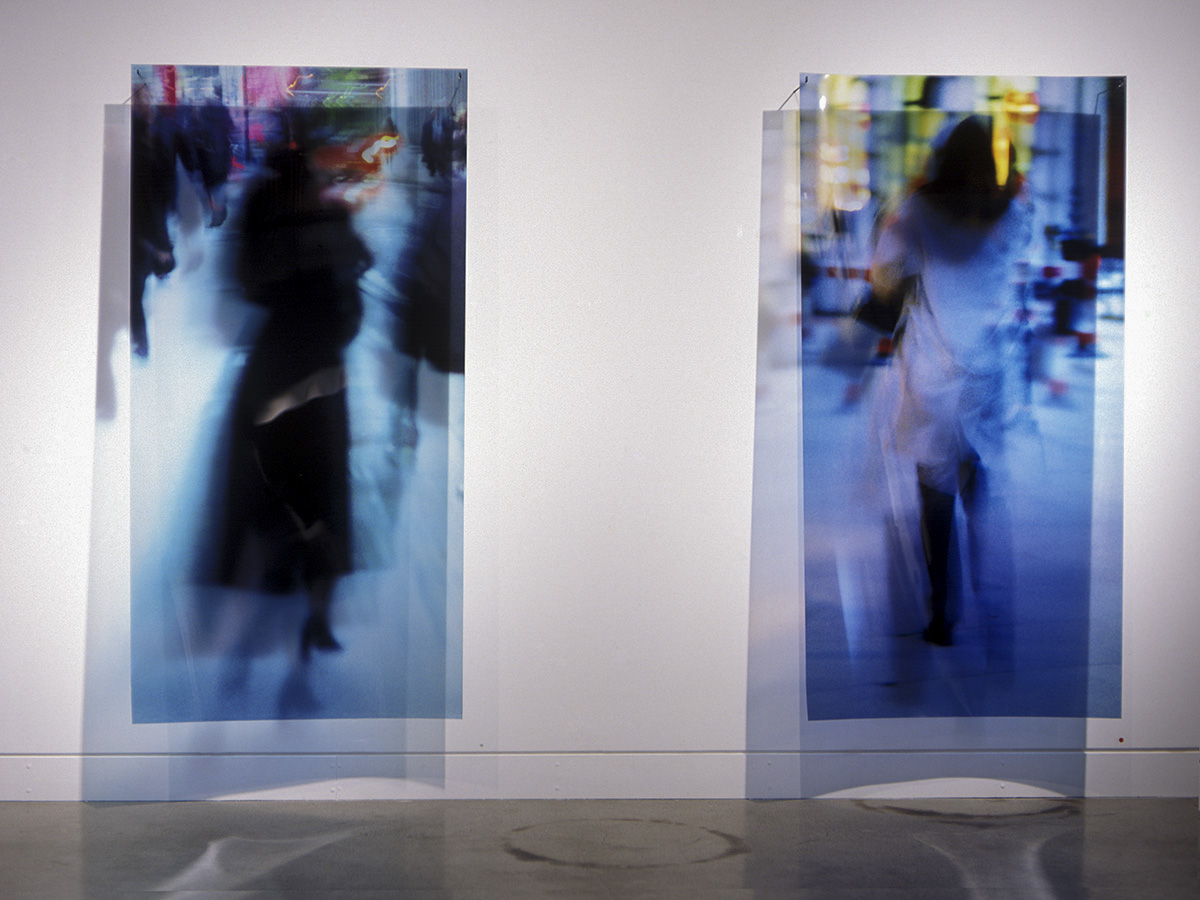
Merilyn Fairskye, installation View, Connected, Stills Gallery, Sydney, 2003
Sea and Sky
Four Duratrans, lightboxes,
This work comprises both light boxes and prints. Some of these images were part of the Plus+Minus exhibition at Stills Gallery in 2000
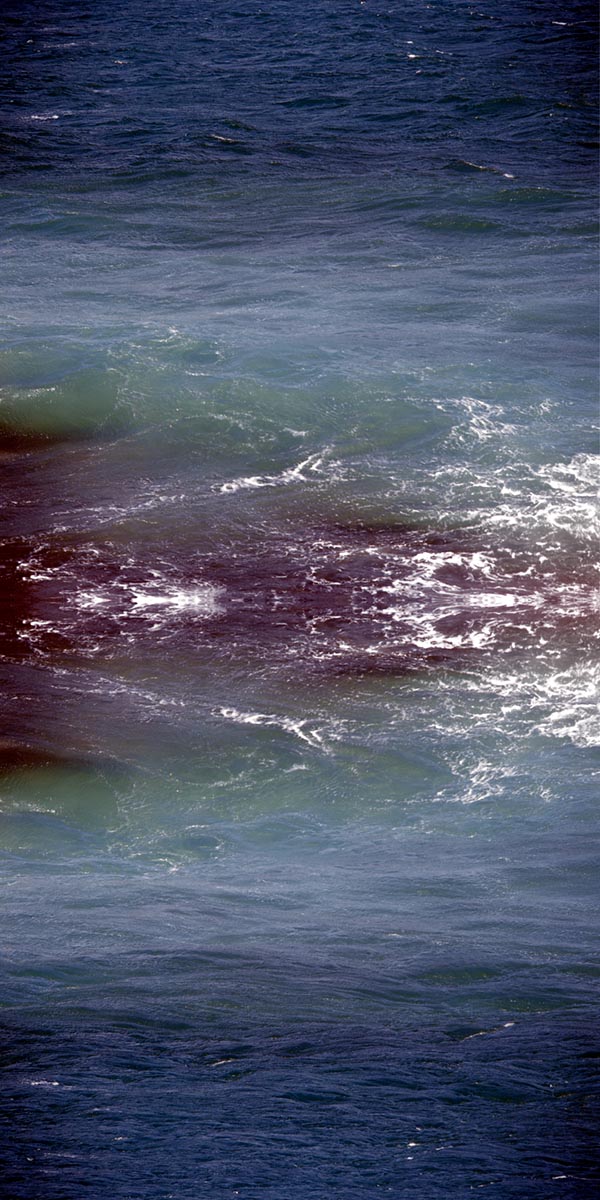
Merilyn Fairskye, Sea (Kurnell), 2003
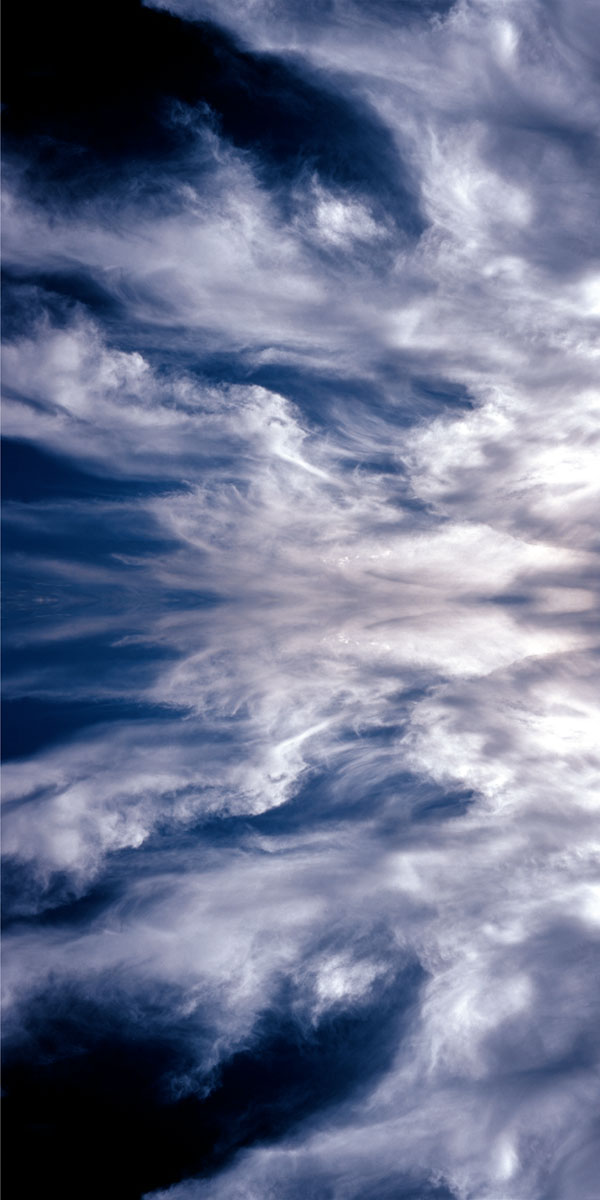
Merilyn Fairskye, Sky (La Perouse), 2003
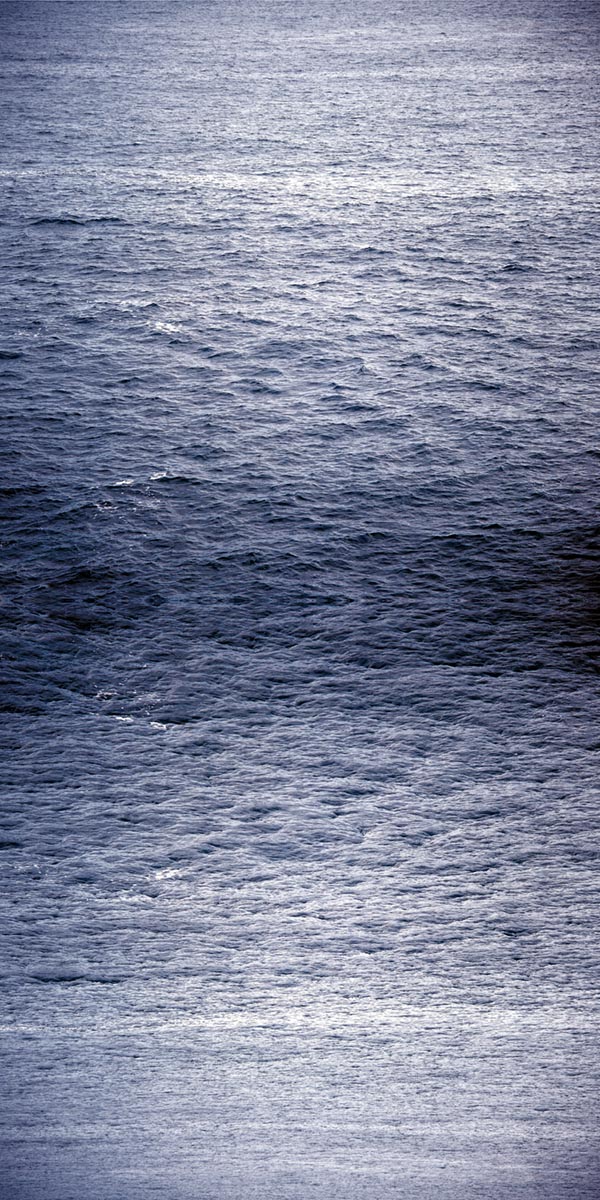
Merilyn Fairskye, Sea (The Gap), 2003
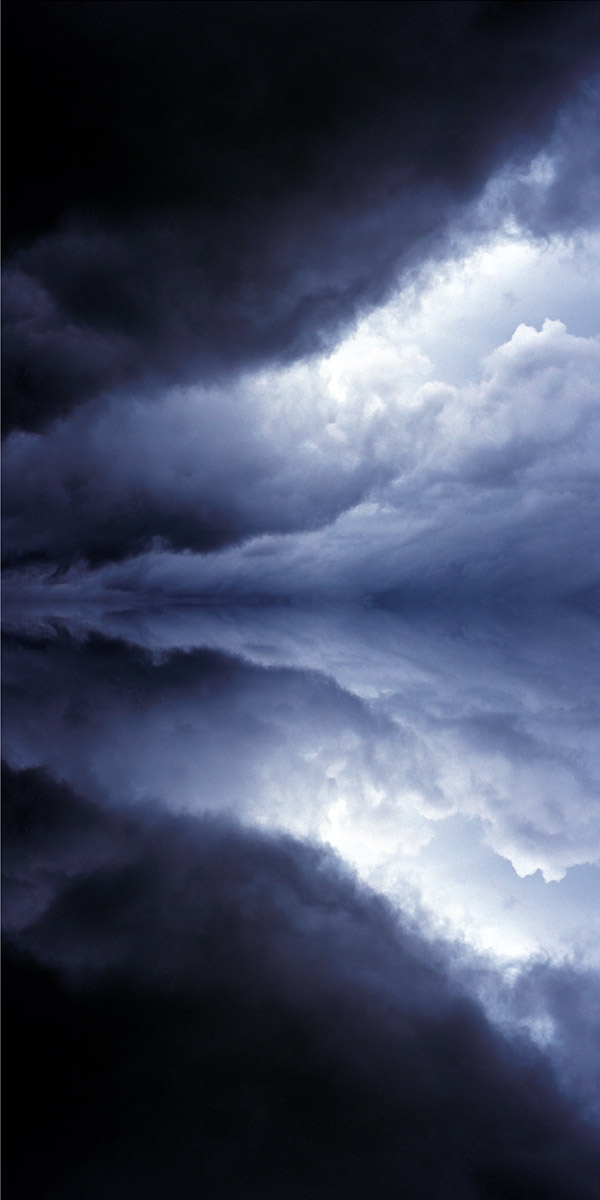
Merilyn Fairskye, Sky (North Head), 2003
Material World
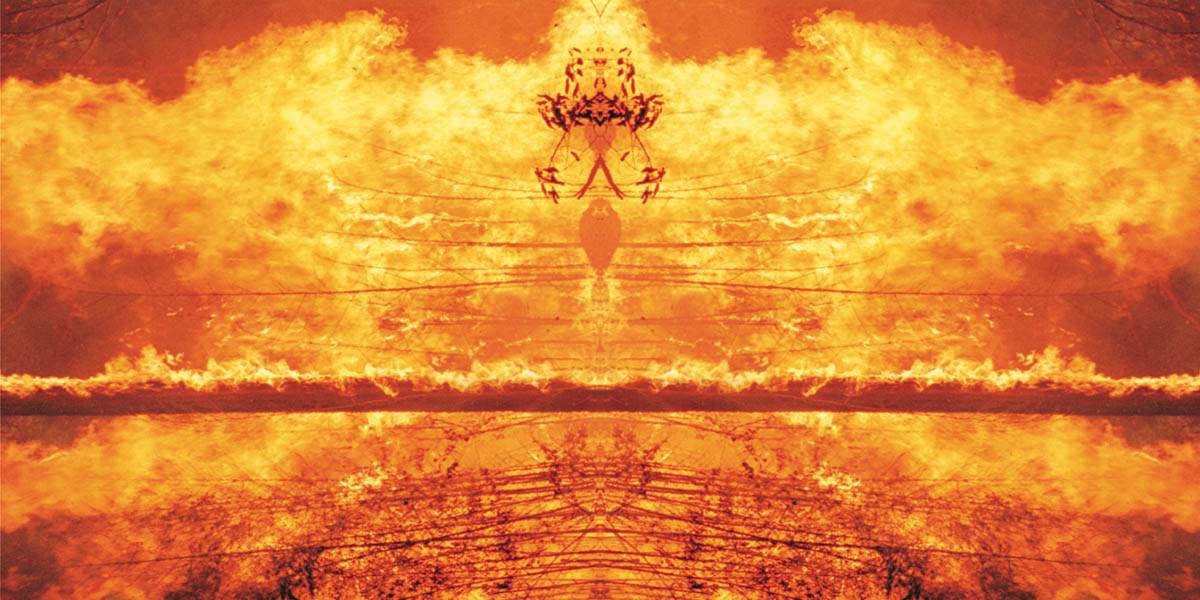
Merilyn Fairskye, Fire (Kurnell), 2003. C-type print. 100x200cm. Edition of 5. Also available 50x100cm.
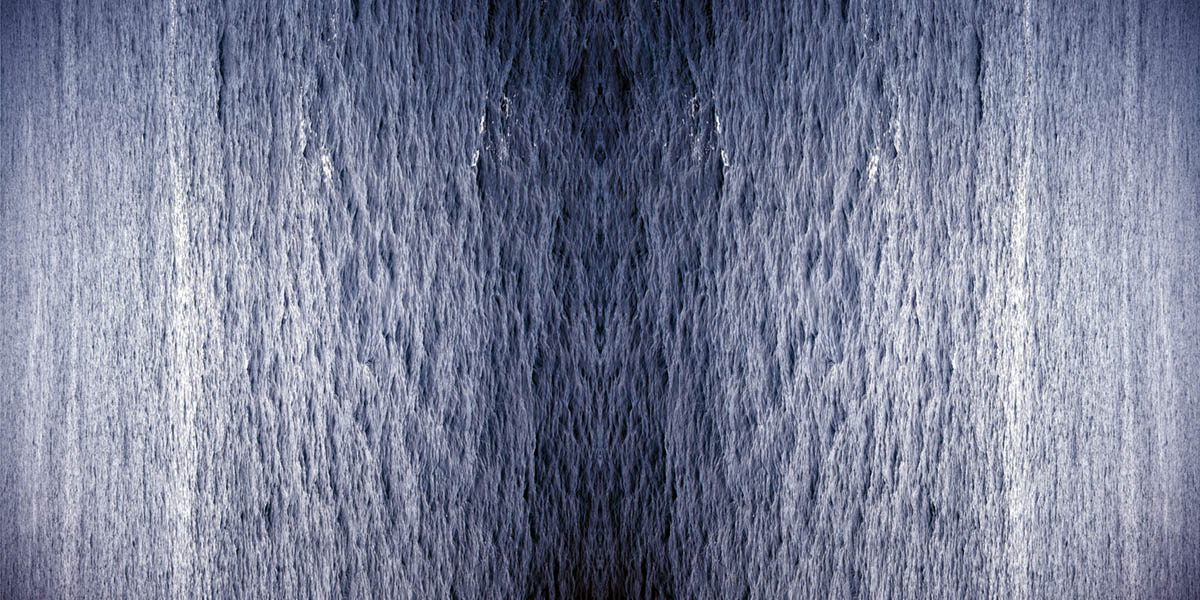
Merilyn Fairskye, Water (The Gap), 2003. C-type print. 100x200cm. Edition of 5. Also available 50x100cm
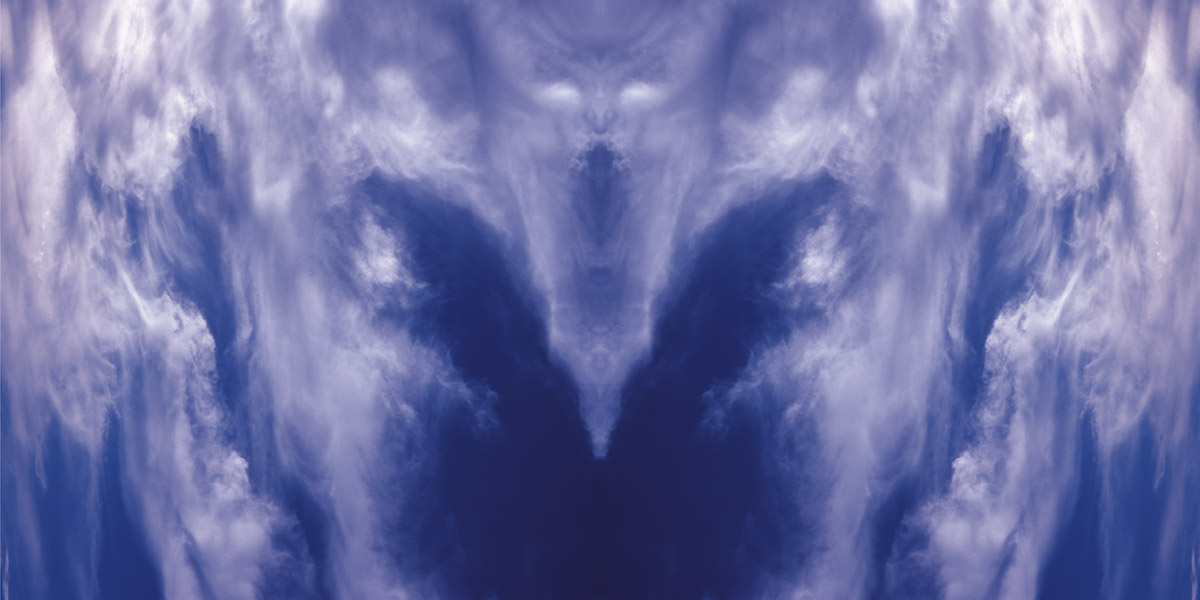
Merilyn Fairskye, Air (North Head), 2003. C-type print. 100x200cm. Edition of 5. Also available 50x100cm
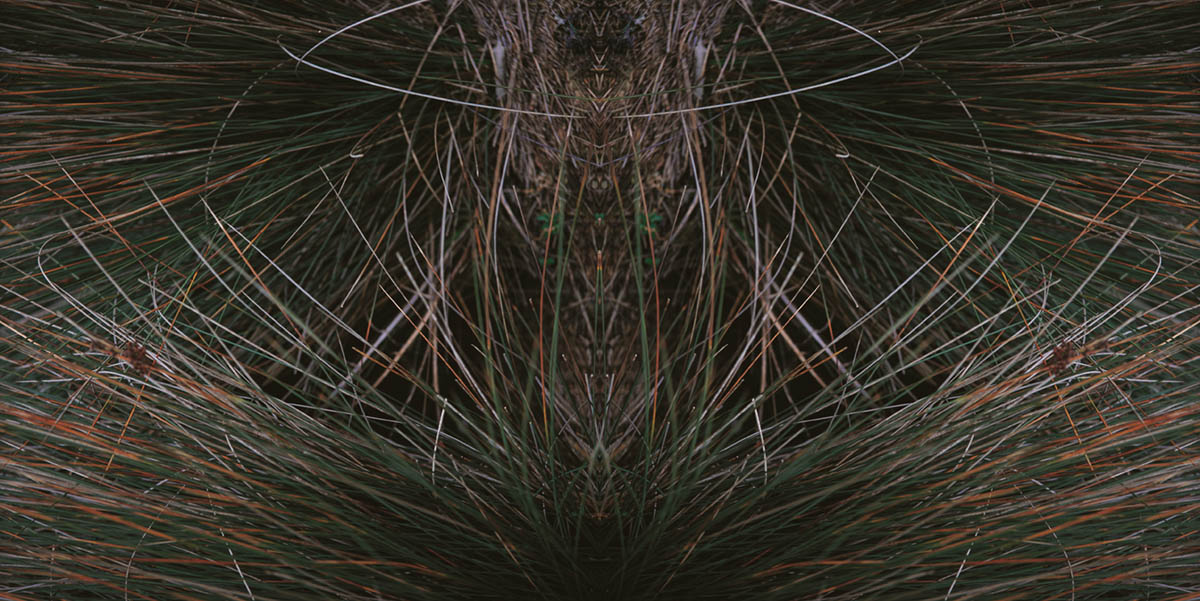
Merilyn Fairskye, Earth (La Perouse), 2003. C-type print. 100x200cm. Edition of 5. Also available 50x100cm
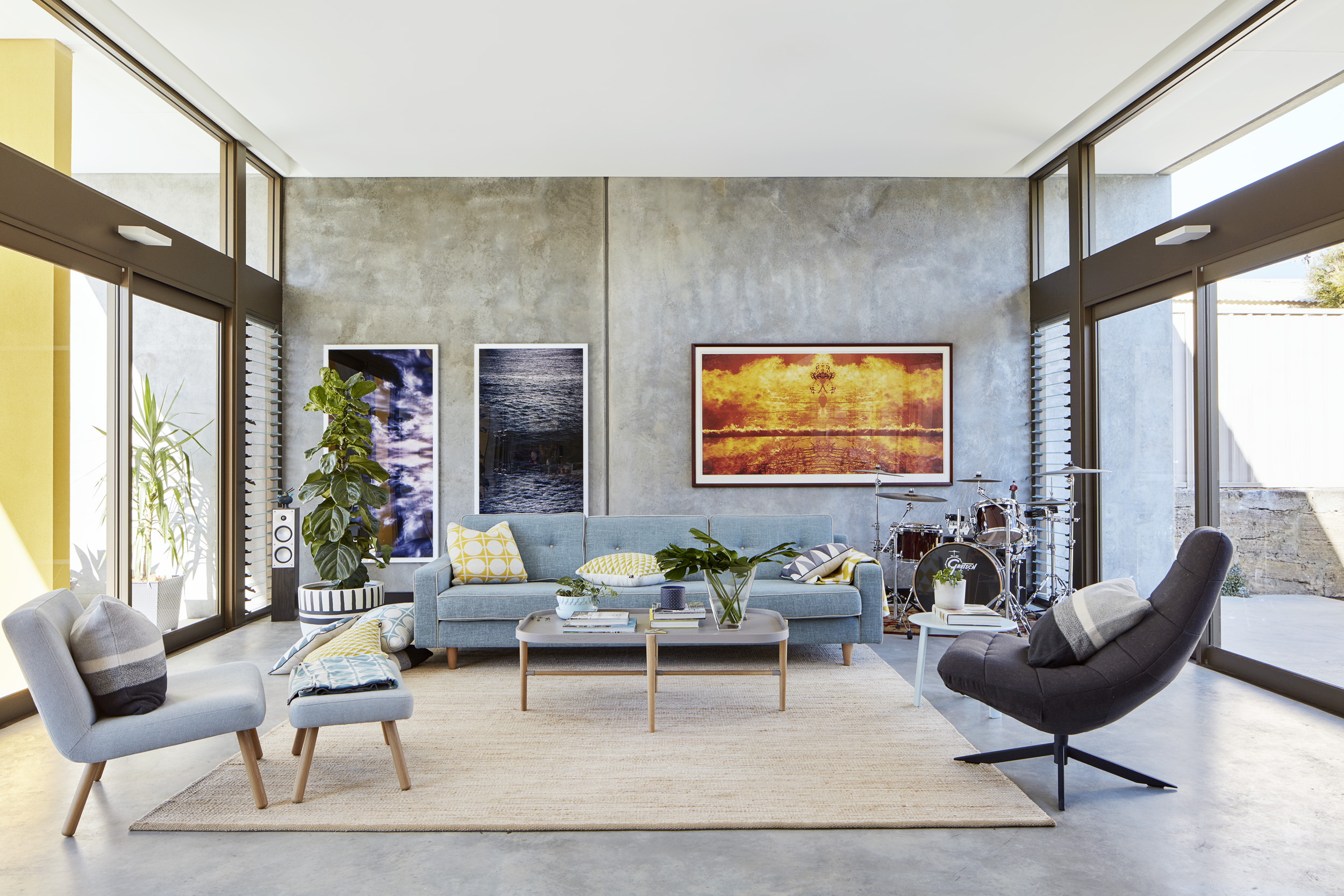
Installation view, collection of Dylan McKimmie and Sonja Bennetto, Perth. Photo credit Australian House & Garden, July 2017.
After Image 1995
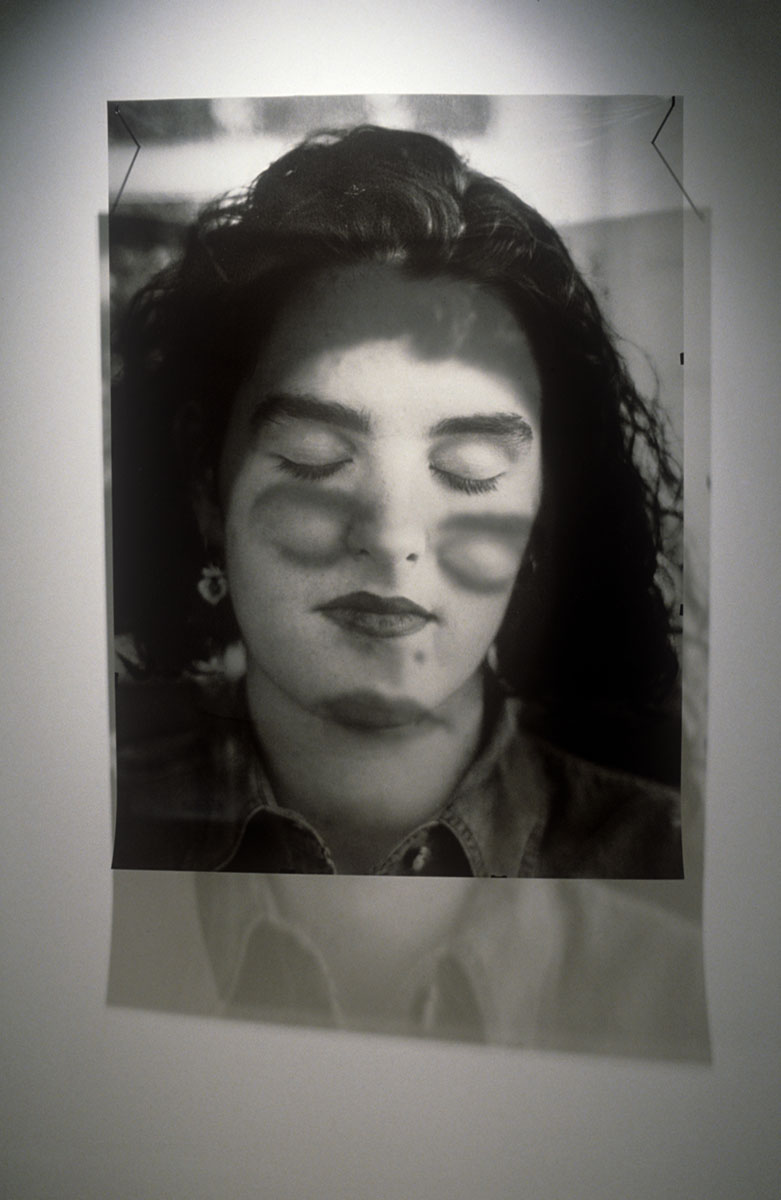
Merilyn Fairskye, yvonne, student, yugoslavia, 1995
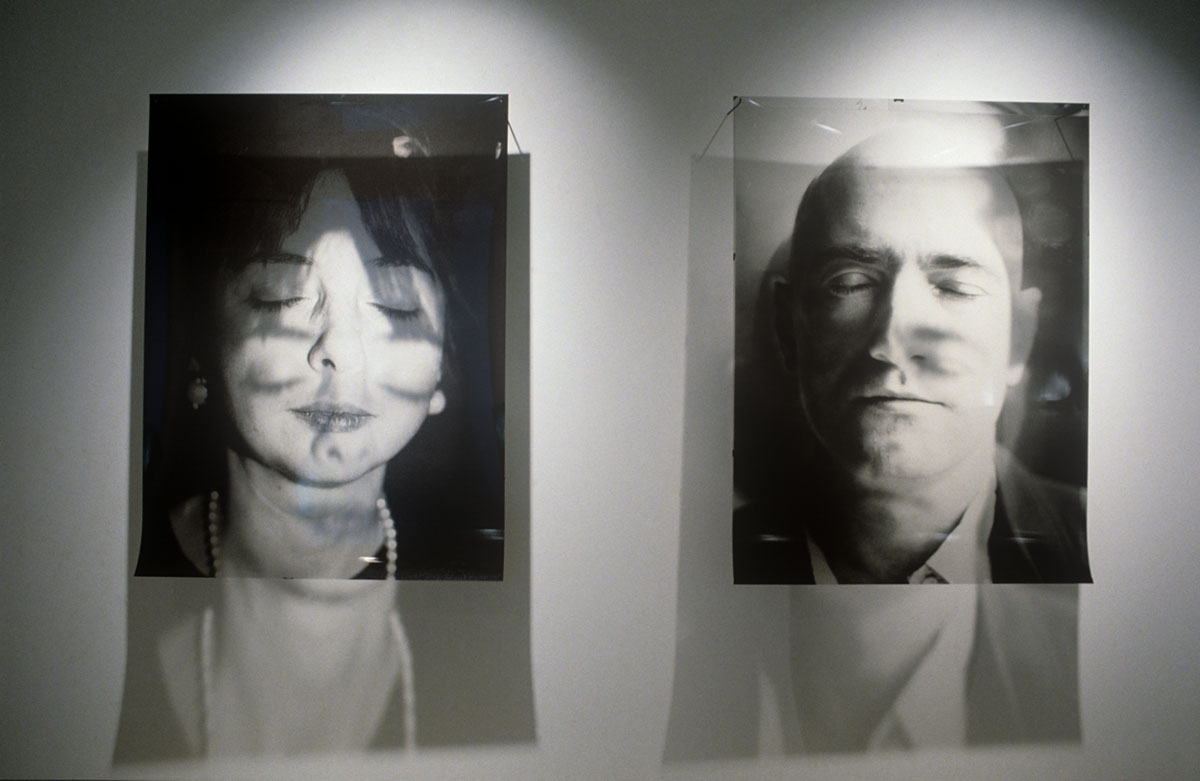
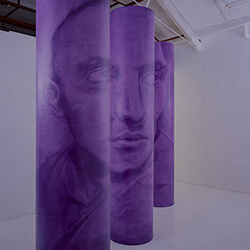
Merilyn Fairskye, installation view, Photography is Dead! Long Live Photography! Museum of Contemporary Art, Sydney, 1996
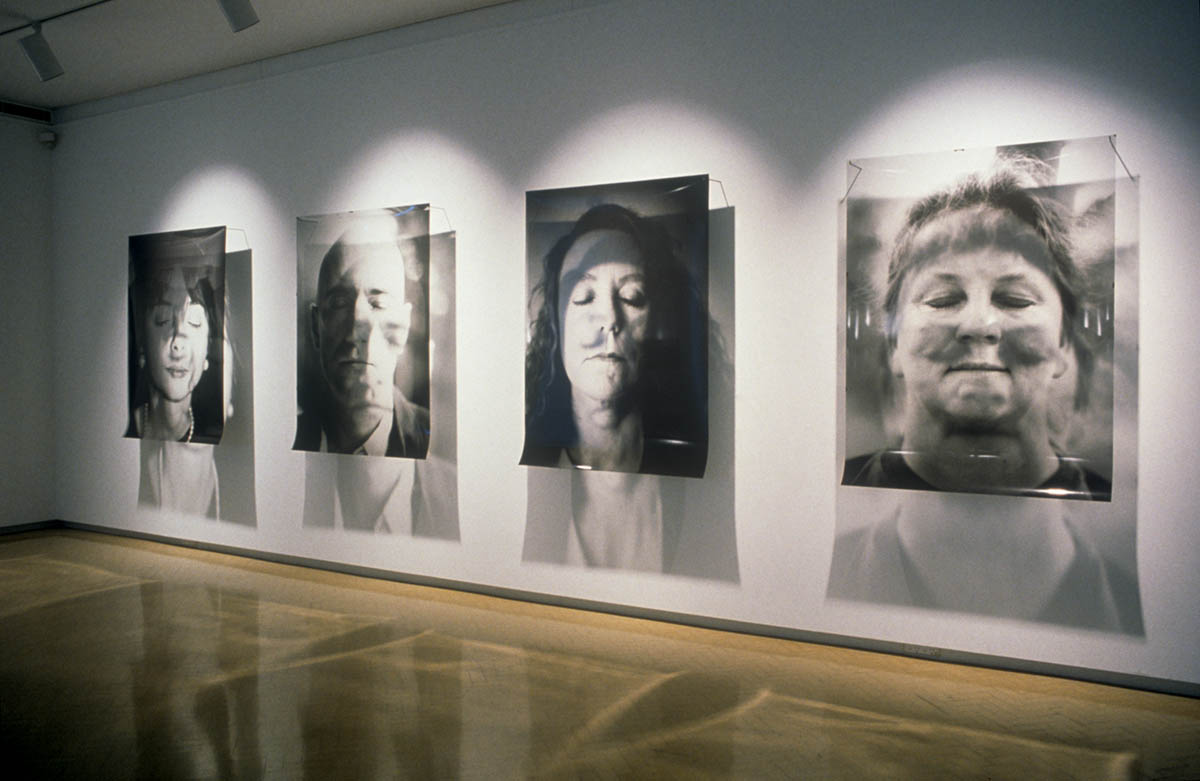
Merilyn Fairskye, installation view, Photography is Dead! Long Live Photography! Museum of Contemporary Art, Sydney, 1996
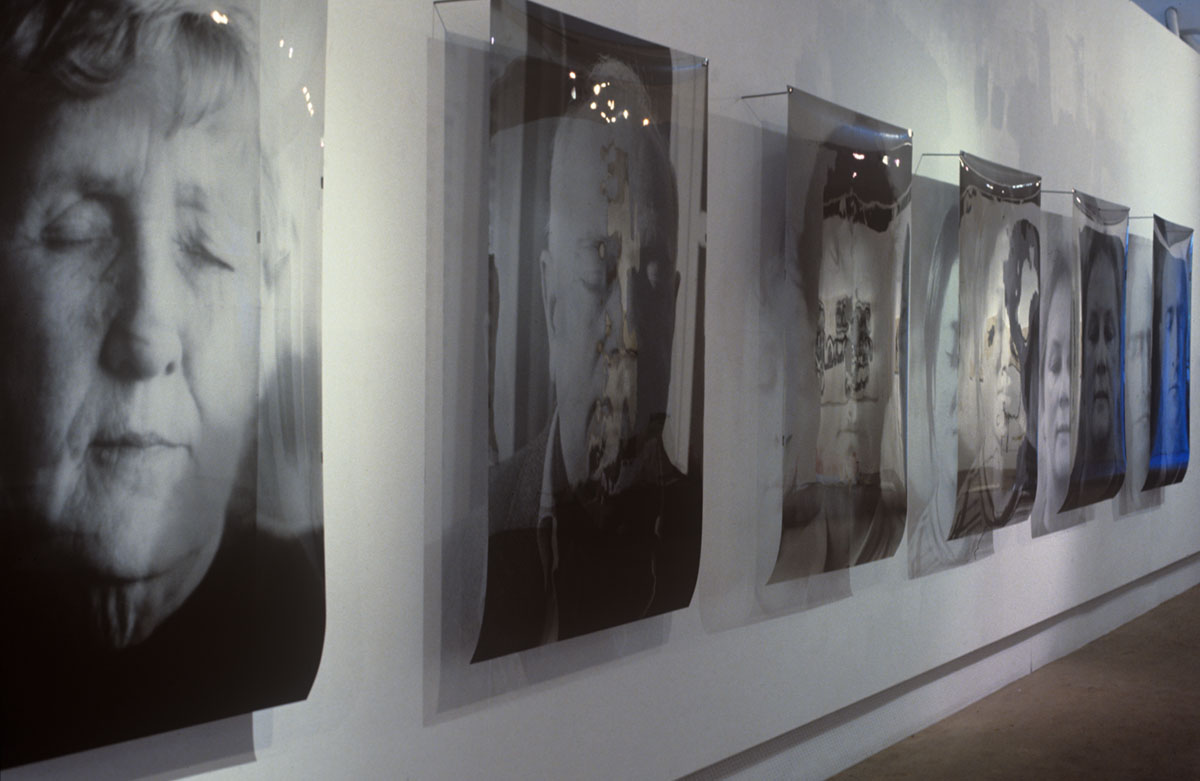
Merilyn Fairskye, installation view, After Image, William Mora Galleries, Melbourne, 1996
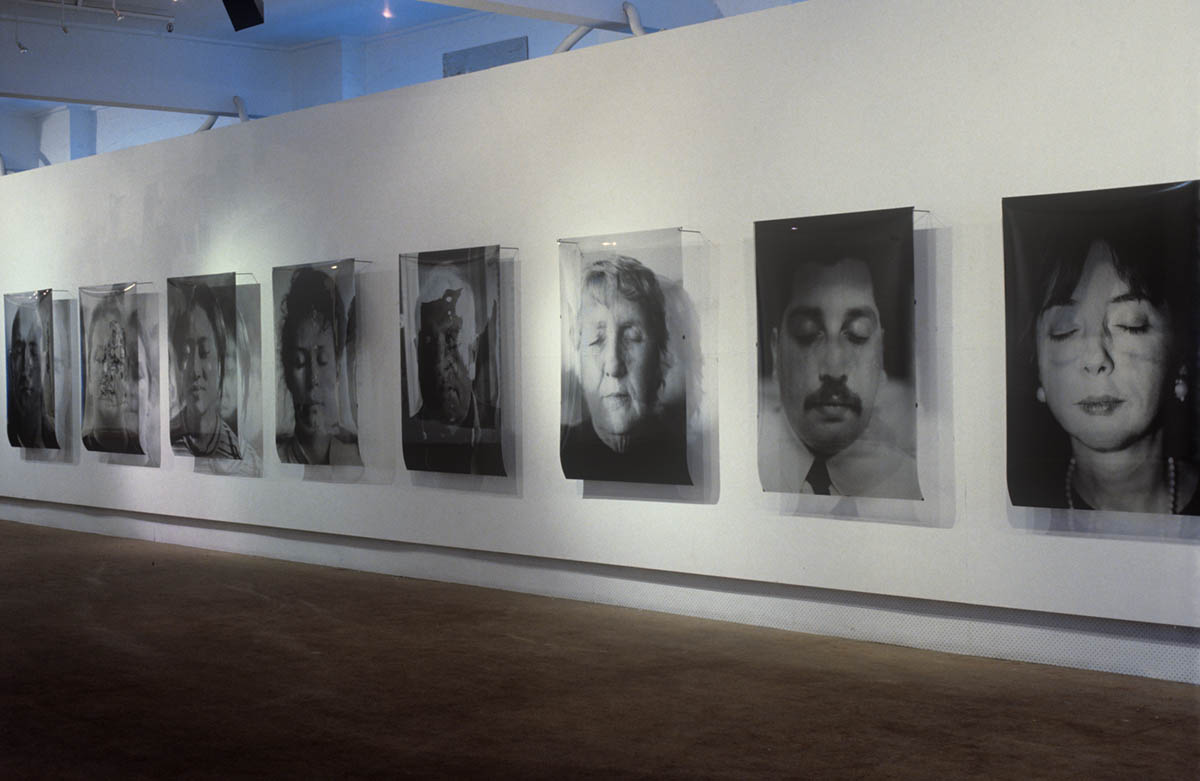
Merilyn Fairskye, installation view, After Image, William Mora Galleries, Melbourne, 1996
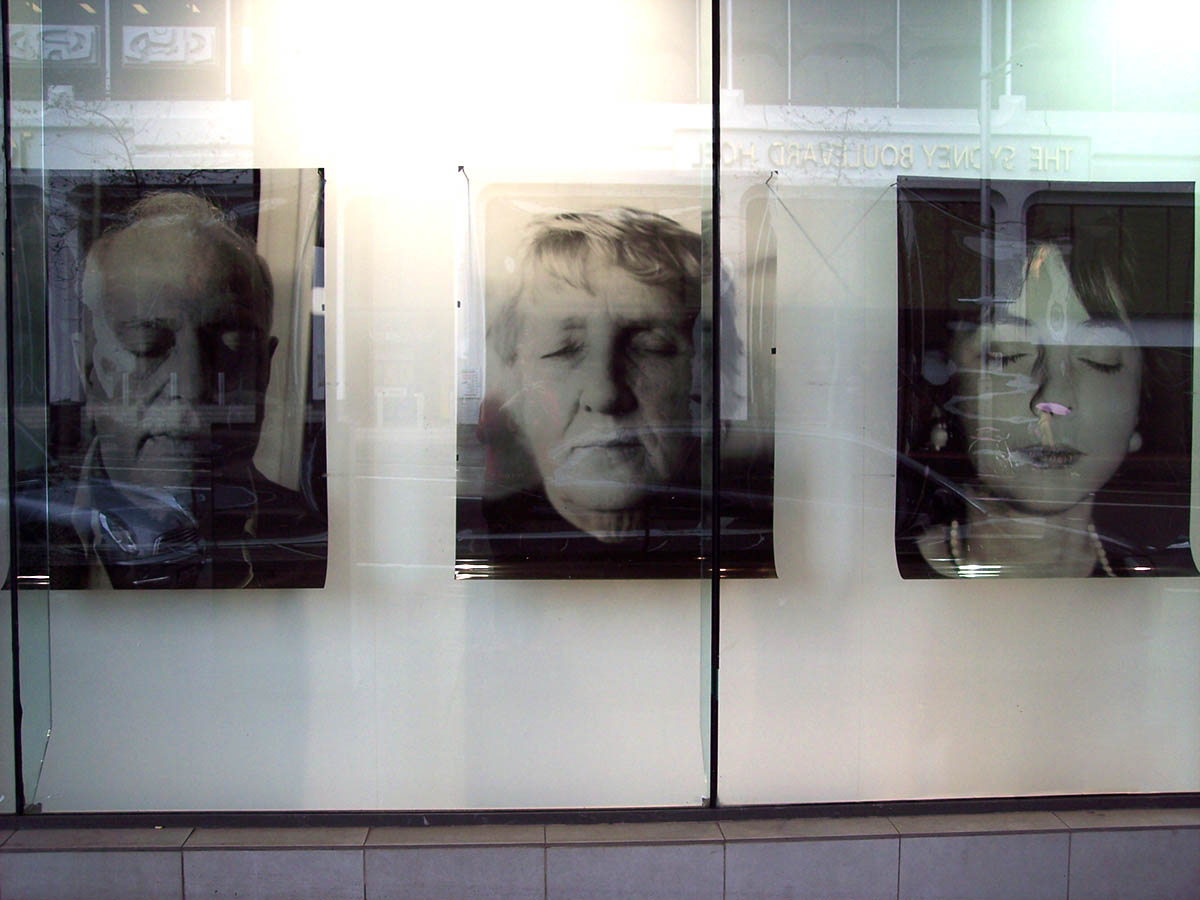
Merilyn Fairskye, installation view, After Image, Stills on William St, Sydney, 2014
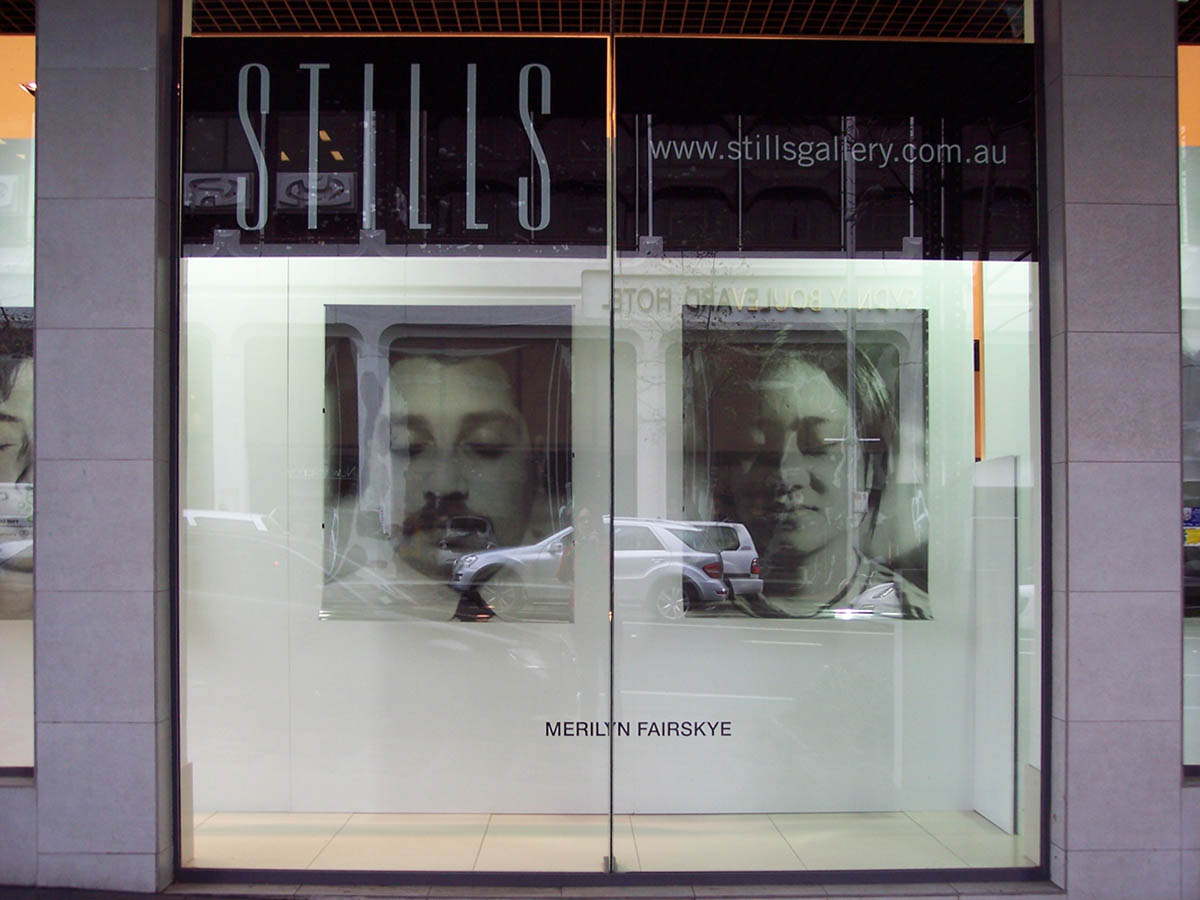
Merilyn Fairskye, installation view, After Image, Stills on William St, Sydney, 2014
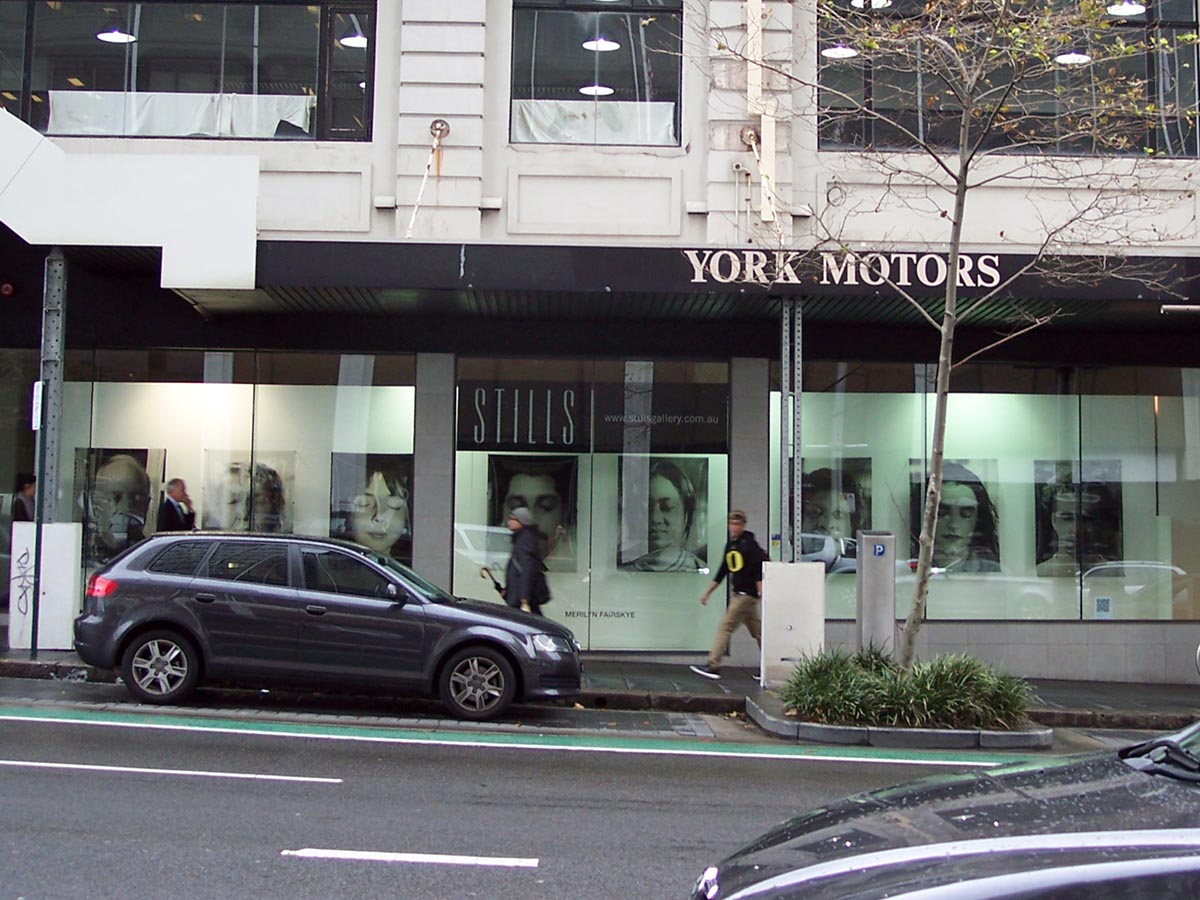
Merilyn Fairskye, installation view, After Image, Stills on William St, Sydney, 2014
Unique edition, 12 black and white line positive transparencies, each
- ouliana, foreign trader, bulgaria
- moya, writer, australia
- beulah, art student, vietnam
- andrew, art historian, australia
- marina, nurse, russia
- dylan, lawyer, australia
- gursuran, scientist, india
- jenny, secretary, australia
- edwin, travel agent, puerto rico
- judy, artist, australia
- yvonne, student, yugoslavia
- wendy, manager, barbados
Moving Image
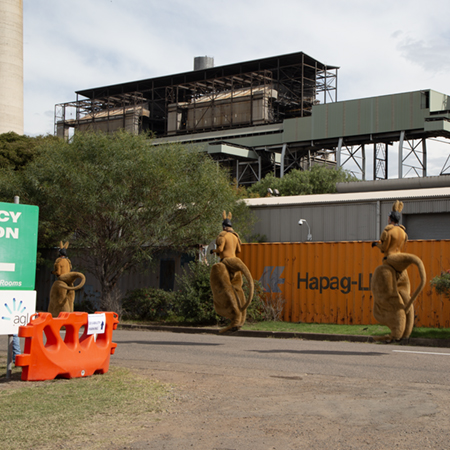
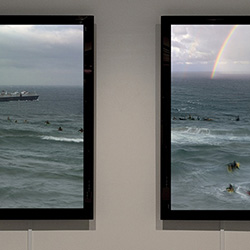
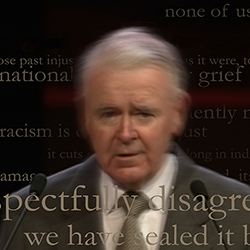
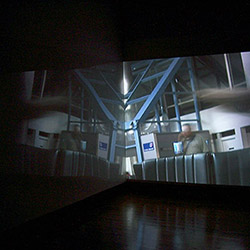
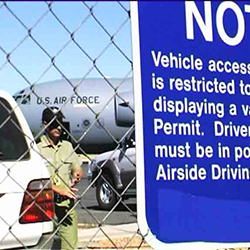
Yesterday New Future (Liddell)
Merilyn Fairskye, 2023
Three-channel video installation. 3 x stereo sound pairs. Duration: 3 x 20:28 loops
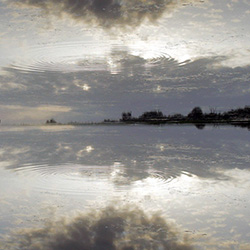
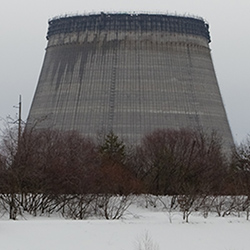
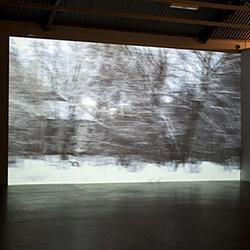
This three-channel video installation considers the nexus of place, people and power at Liddell Power Station. It addresses the place of Liddell and its neighbourhood as one indelibly marked by the expiry date of technology, with a complex natural and social history. It considers the relationship between the event of the power station closure, its geography and architecture, and the impacts on the people who inhabit them.
The imagery builds around the power station, the cooling pond known as Lake Liddell, and the wider neighbourhood of ash dams and coal mines to explore the relationship between the event of the power station closure, its geography and architecture, and the impacts on people. Media headlines from 1964-2023 provide a public account of the power station’s history and impact.
The over-arching motif is coal, and its indelible mark on an environment scarred by power stations, ash dams and mines, perhaps beyond remediation.
The soundtrack weaves together a stream of the non-human voices of the environment – the constant hum of the power plant, birdsong, the rustle of the wind on the lake, the rhythmic beat of the coal trains that snake through the landscape, together with the voices of people. Their commentary underlies the uncertainty mixed with cautious optimism facing the community as it begins the transition away from coal and the decades-long security the power plant, and the wider industry, have provided. Like many other communities.
Commissioned by Powerhouse Photography, Yesterday New Future (Liddell) was made possible through funds generously donated by the Australian Centre for Photography.
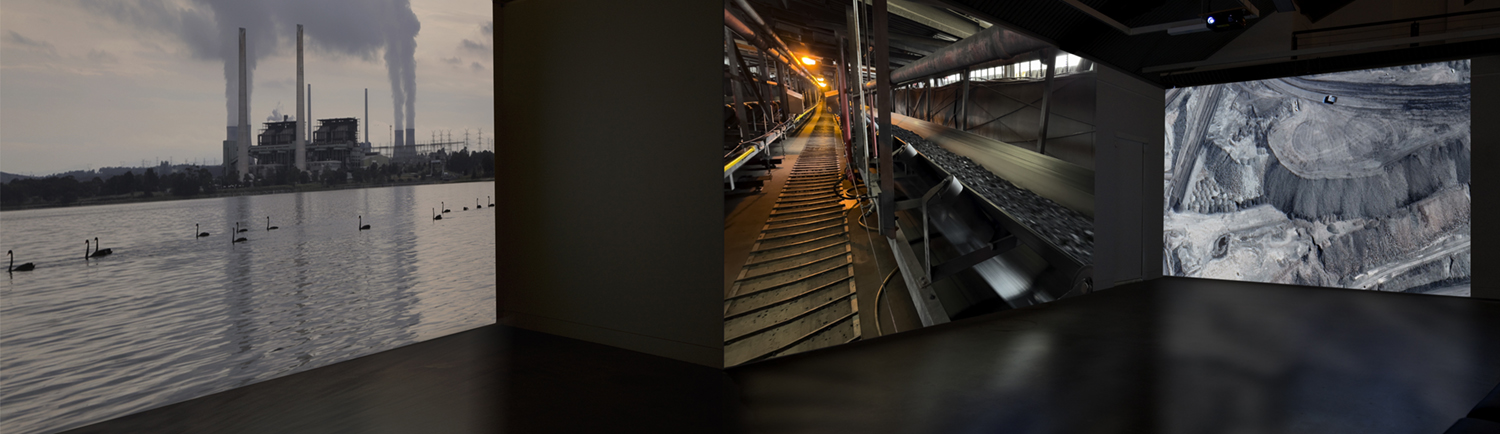
Merilyn Fairskye, 3-channel installation visualisation, Yesterday New Future (Liddell), 2023
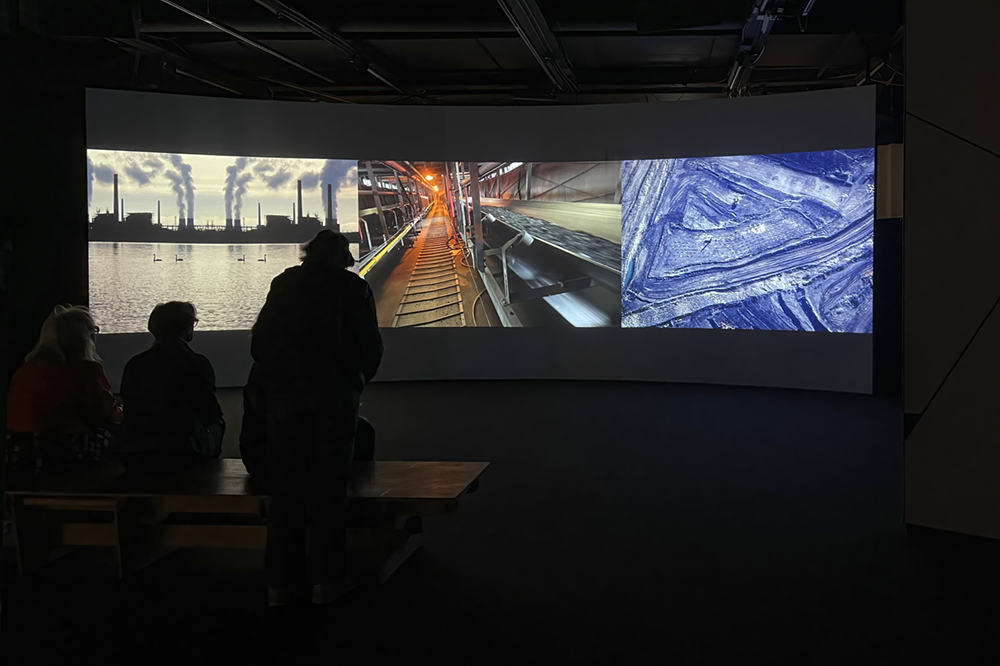
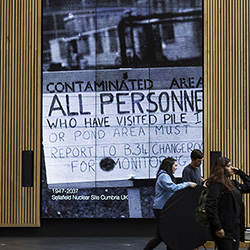
Merilyn Fairskye, installation detail, (single-channel compiled version, Yesterday New Future (Liddell), special screening, Photofields, Powerhouse Ultimo, September 2023)
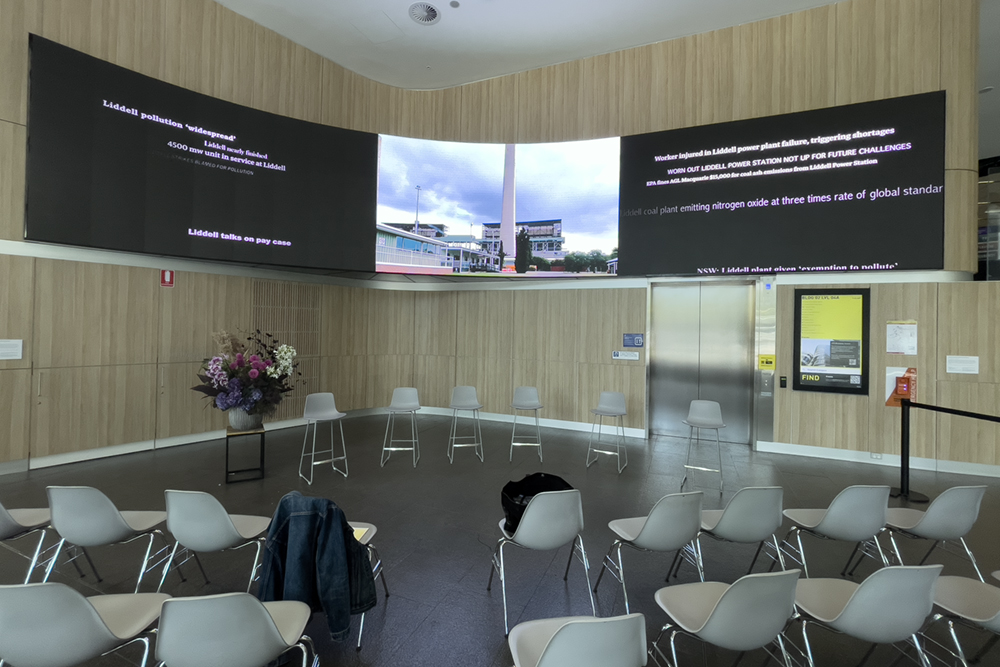
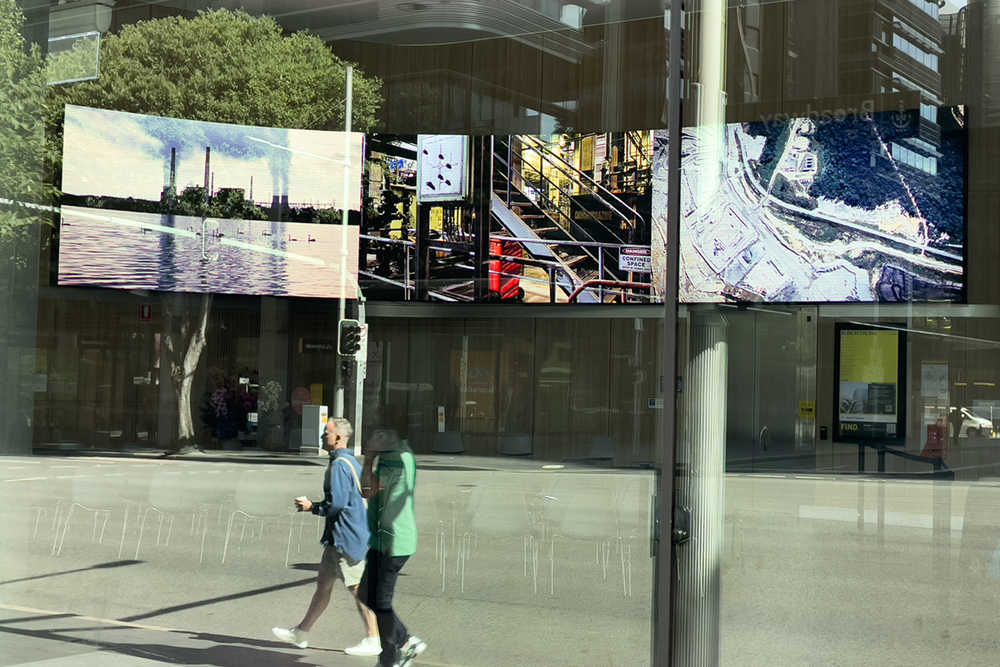
Merilyn Fairskye, installation detail, (single-channel compiled version, Yesterday New Future (Liddell), special screening, Broadway Screen, UTS, Sydney, December 2023)
above: interior view
below: street view
CREDITS
concept, camera, editor
online edit and grading, additional SFX
sound designer
Unit 1 closing footage
Liddell Ash dam/Mt Arthur Mine aerial footage
Glencore Mt Owen Mine/Liddell/Ravensworth/Warkworth/
Beltana/Bulga/Mt Thorley Mines aerial footage
Ashton Coal Mine aerial footage
MERILYN FAIRSKYE
GREG FERRIS
GARY WARNER
BRENDAN PYNE
Google Earth - CNES/Airbus 2023
Google Earth/Airbus 2023
Google Earth - Maxar Technologies 2023
BIRDS screened at Flickering Shores, Sea Imaginaries, Sea Art Festival 2023 edition, October-November 2023, Busan, South Korea.
Irini Papadimitrou, Artistic Director.
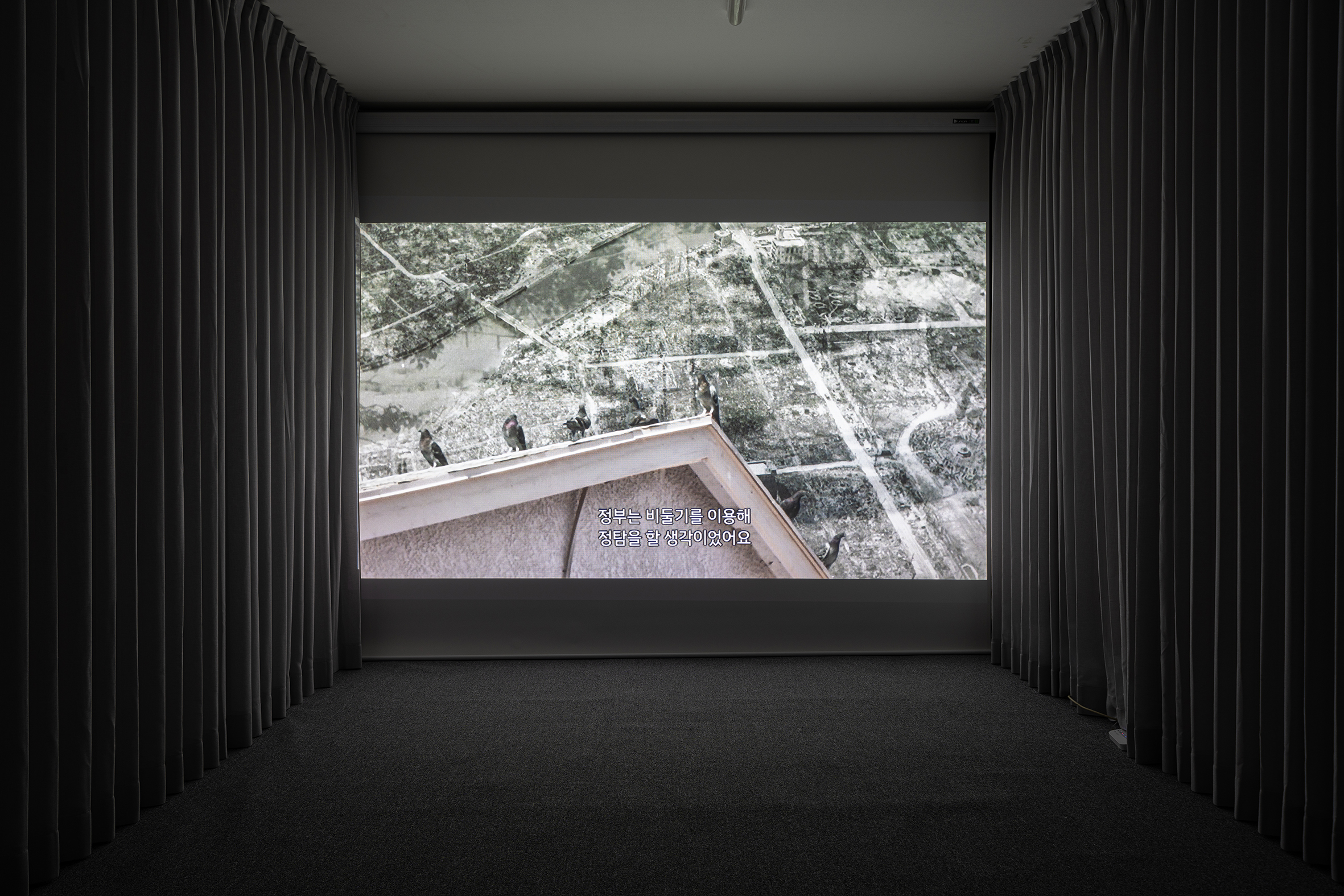
Merilyn Fairskye, installation detail, BIRDS (Flickering Shores, Sea Imaginaries, Sea Art Festival 2023, Busan, South Korea)
BIRDS premiered at the FLUX:ART+FILM strand at the 68th Sydney Film Festival, November 2021. "FLUX:ART+FILM explores the fertile ground between art and cinema, with radical and innovative films by artists who transform our experience of what cinema can be." — Bridget Ikin, Guest Programmer.
BRIEF SYNOPSIS
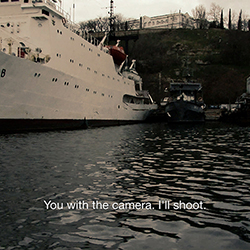
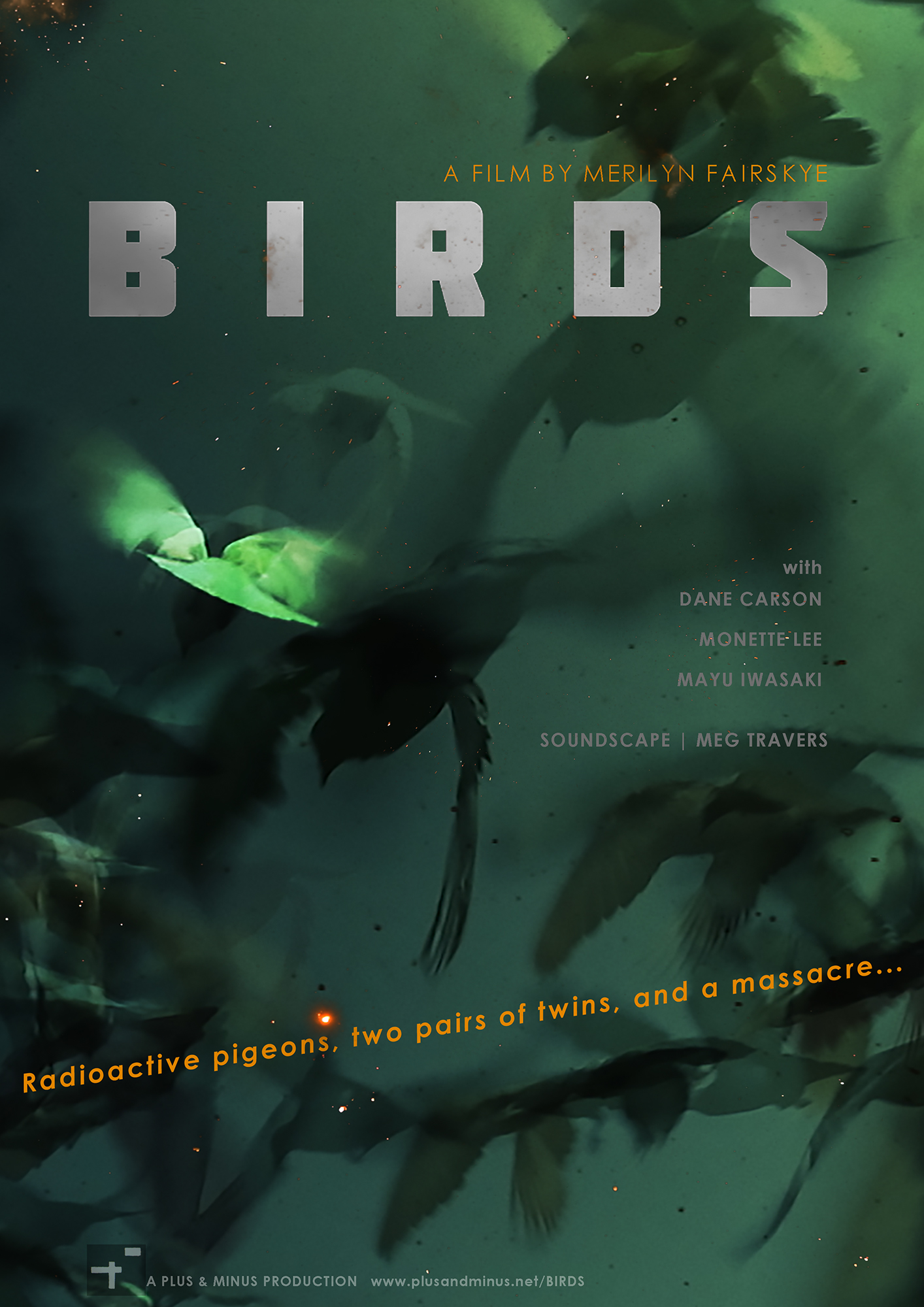
BIRDS is a tale of radioactive pigeons, two pairs of twins and a massacre, set in a seaside village in the shadow of a decrepit nuclear plant. In this blighted environment all is entangled — birds, humans, plutonium — and nothing will be spared.
ABOUT BIRDS
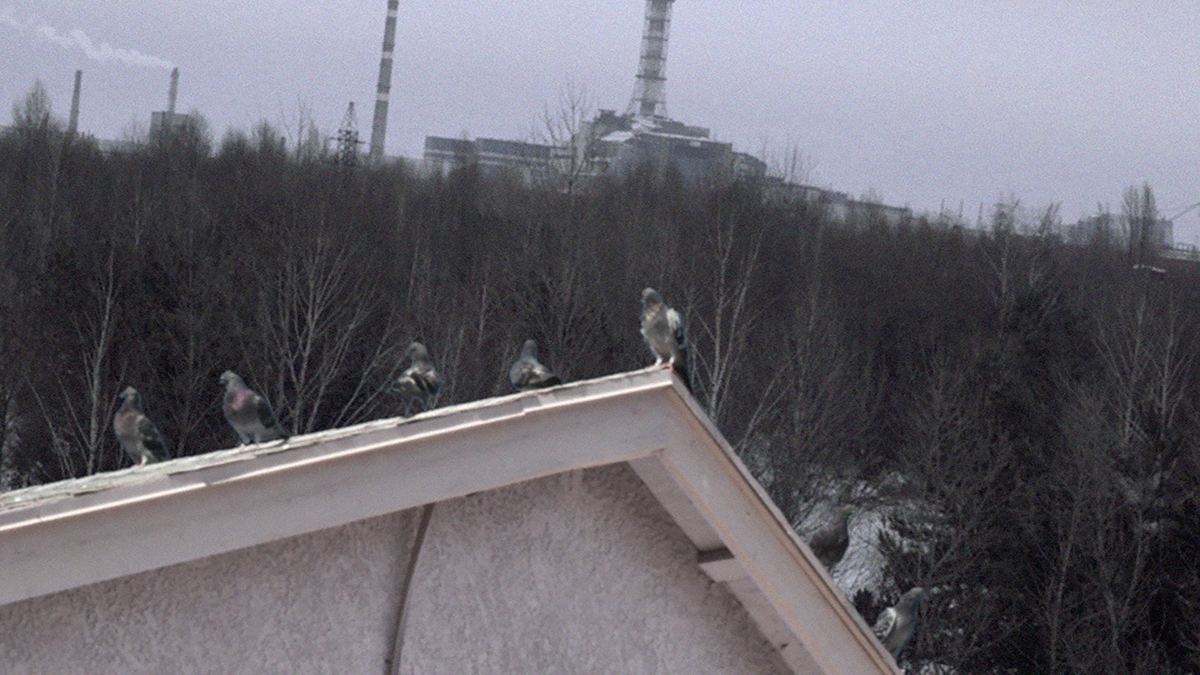
BIRDS is an artist film by Merilyn Fairskye, the latest in a series of photographic and screen works that explore the contemporary realities of nuclear sites and their legacies. With an aesthetic approach that emphasises the act of creation and construction over a passive recording and reconstruction of the world, BIRDS humanises the connections between the nuclear and the everyday at a time of great environmental threat and nuclear uncertainty.
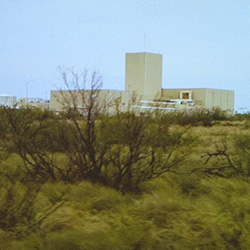
BIRDS is inspired by real events that took place between 1998-2010 in the area around Sellafield, the large nuclear reprocessing site in Cumbria, UK. Martin Forwood, a long-time anti-nuclear campaigner (1947-2019), was Merilyn Fairskye’s guide when she visited Sellafield and Seascale, the neighbouring village, in 2016. On the way out of the village, they stopped in front of a pink house overlooking the sea. Martin related a story about the former occupants involving radioactive pigeons, two sets of twins, and a massacre. After several false starts, BIRDS is the result.
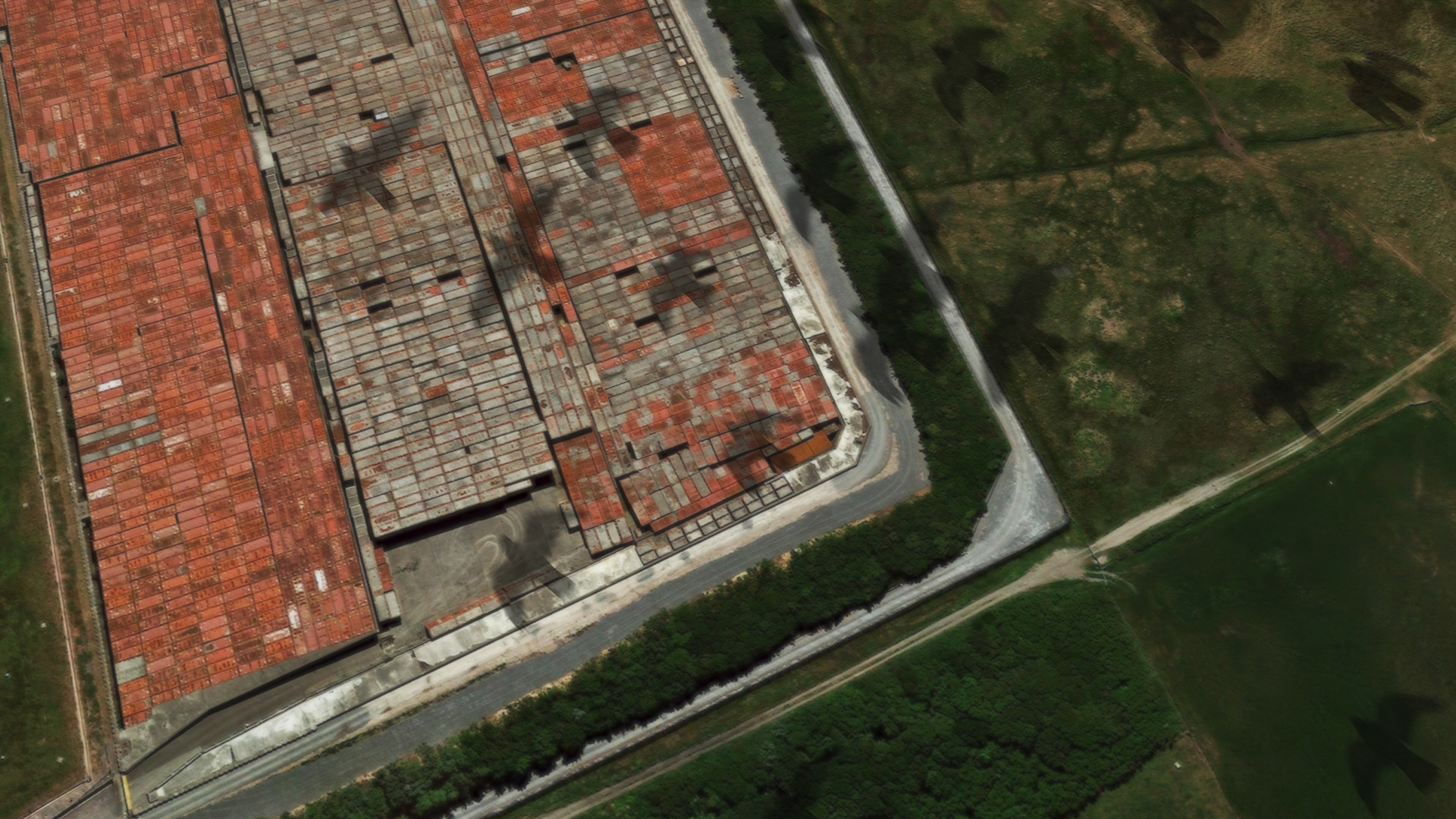
The real-life events behind this work, if related factually, could appear merely sensational and bizarre, and the larger resonances would be lost. BIRDS enters imaginary territory to shape a more nuanced context for these events in order to draw out what Kristine Stiles has called ‘the ever-present haunting of the nuclear age’.
Actors present different accounts as they were recorded in the media at the time. The imagery builds around the pink house, seaside and nuclear plant and accumulates and dissipates in different ways to create a sense of a volatile environment where all forms of life are entangled. The over-arching motif is the environment that the nuclear plant seeps into — land, sea and air — metamorphosing and mutating because of human actions and now, beyond human control. The birds are the constant presence, and unstoppable.
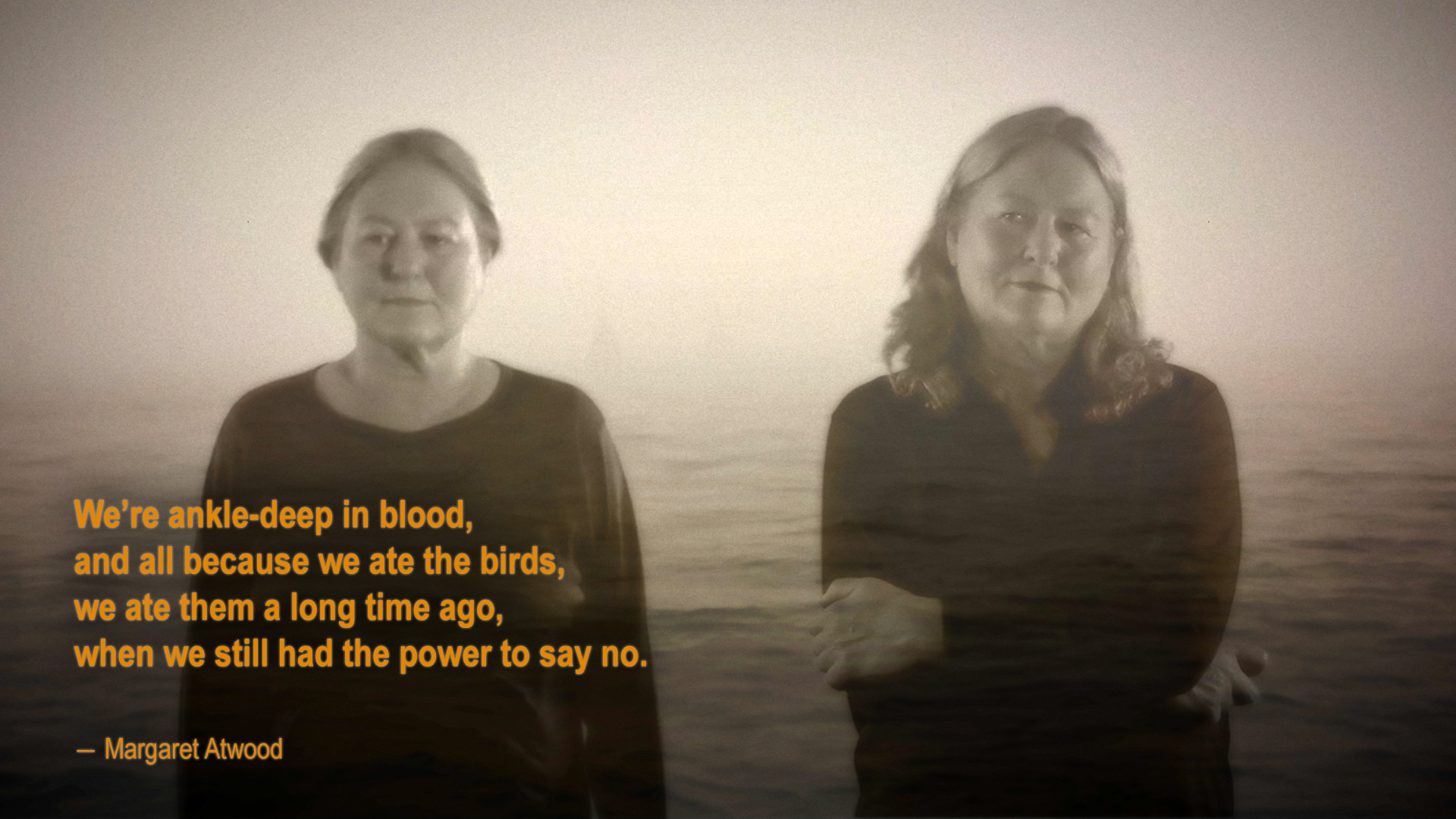
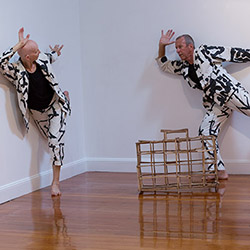
Ava and Birdie (Monette Lee), BIRDS 2020
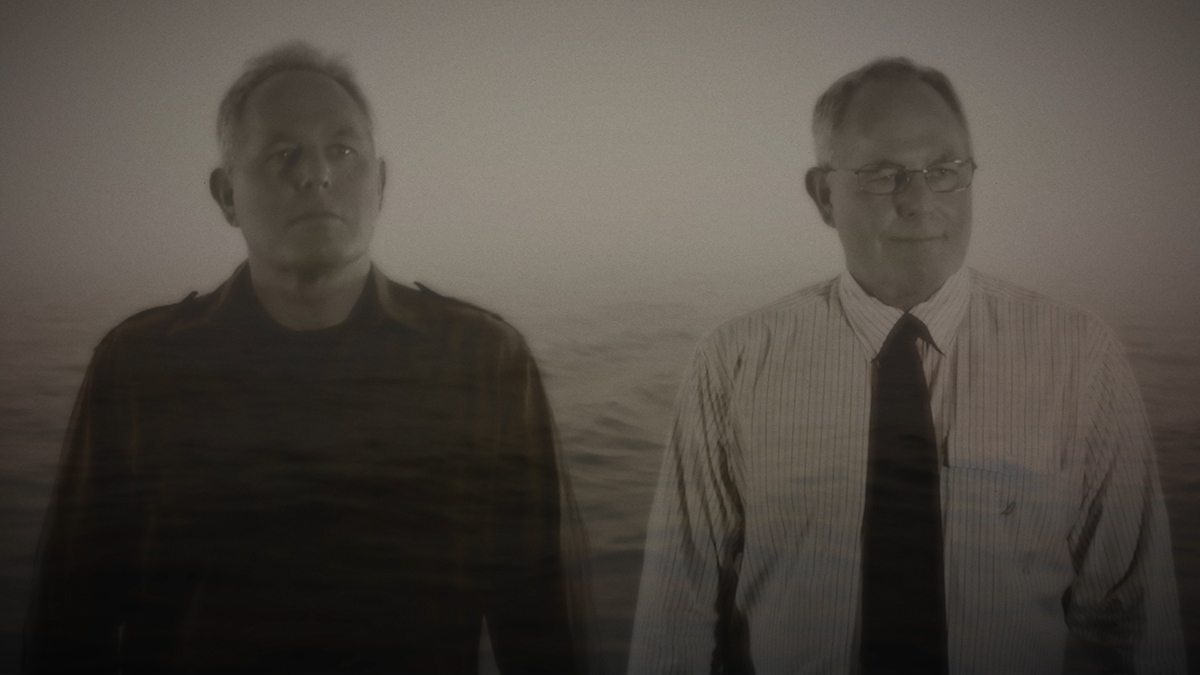
Deryn and Robin (Dane Carson), BIRDS 2020
NOTES ON THE SOUNDTRACK
The actors’ voices are woven through a soundtrack that draws on experimental processes to give a voice to the birds and the environment. It was created by musician and composer Meg Travers, who constructed a 21st century interpretation of the Trautonium, a 1920s German synthesizer.
The original Trautonium, the first instrument capable of sculpting electronic sounds, was used by German composer and electronic music pioneer, Oskar Sala, to create the non-musical soundtrack for Alfred Hitchcock’s ‘The Birds’.
To find out more see: UNLIKELY
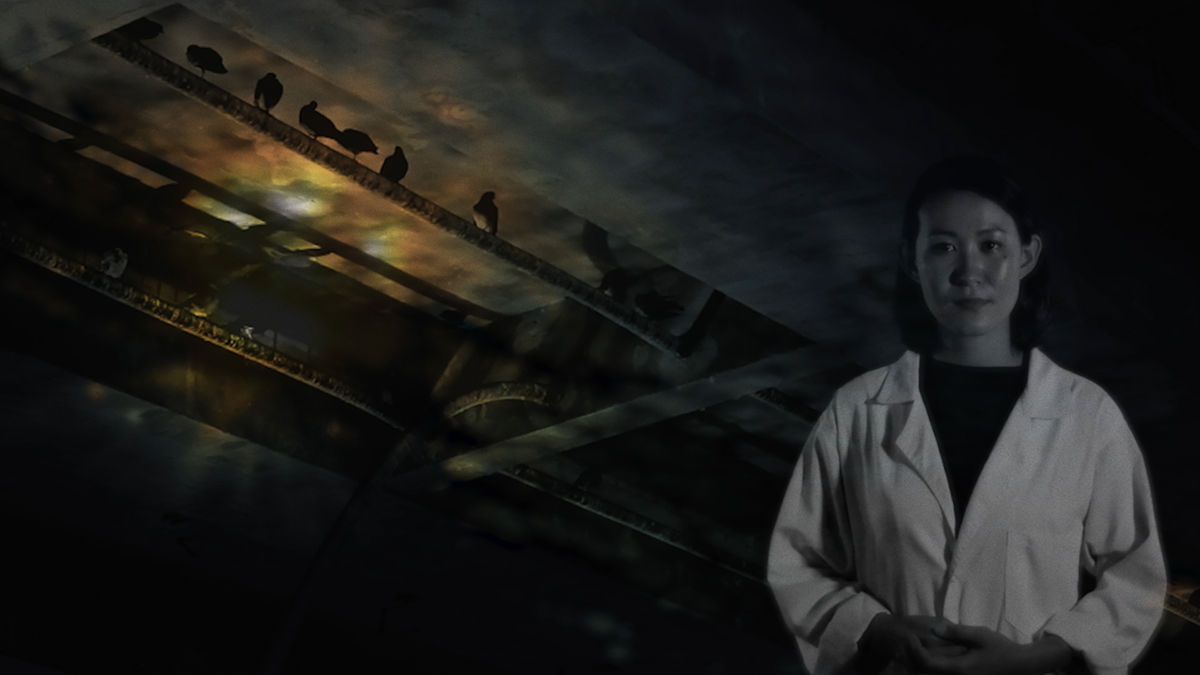
The Official (Mayu Iwasaki), BIRDS 2020
CREDITS
executive producer
direction, editing, camera
soundscape composition and performance
dramaturg/assistant director
sound mix
online editor, title design and grading
production assistance
OGNIAN PISHEV
MERILYN FAIRSKYE
MEG TRAVERS
GREG GIESEKAM
ROBERT HINDLEY
GREG FERRIS
TONY TWIGG
CAST
ava/birdie
robin/deryn
official
announcer
additional voices
MONETTE LEE
DANE CARSON
MAYU IWASAKI
MICHIEL DOLK
SONJA BENNETTO
GREG GIESEKAM
DYLAN MCKIMMIE
LUCY MCKIMMIE
MEG TRAVERS
TONY TWIGG
CAST
additional UK photography
NICK SHIMMIN, CLIVE PARKINSON
Dedicated to Martin Forwood & Janine Allis-Smith
© 2020 A PLUS & MINUS PRODUCTION | www.plusandminus.net
White on White (after Malevich)
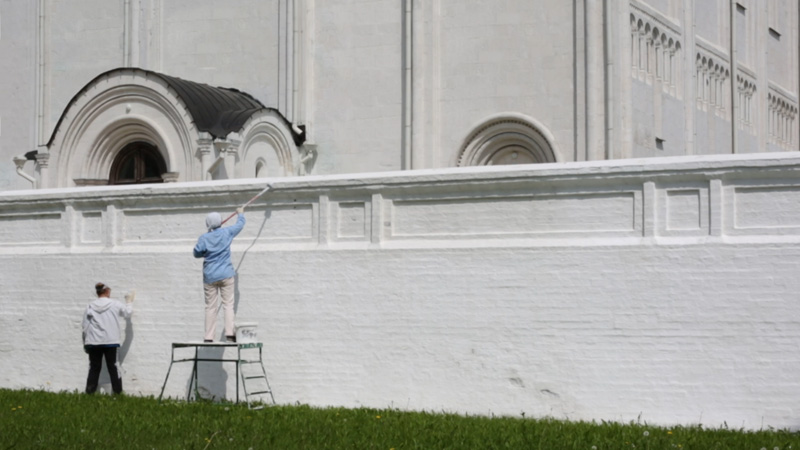
Screenshot, White on White 2016
VIMEO link
Radiant
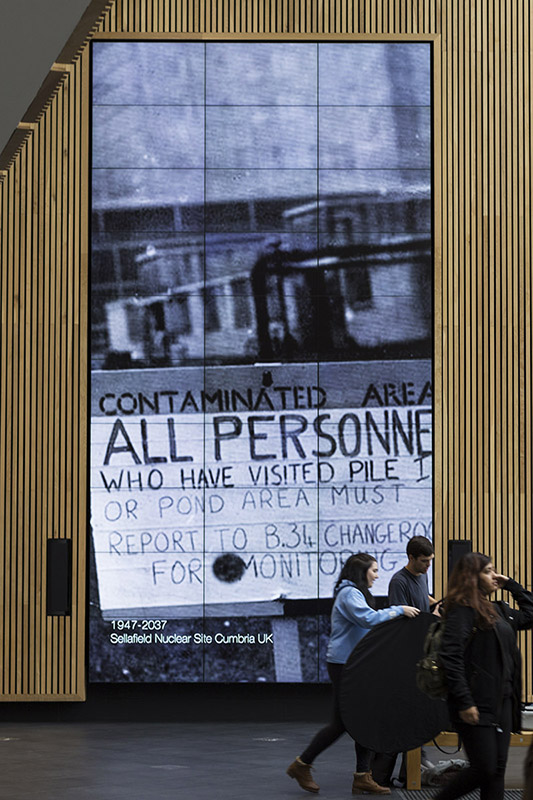
Installation view, Radiant, Bath Spa University UK, 2015
VIMEO link
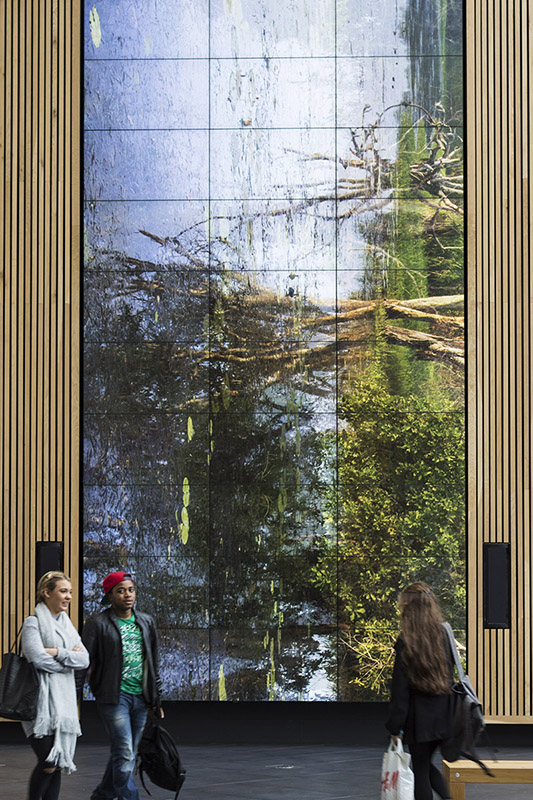
Installation view, Radiant, Bath Spa University UK, 2015
Life Still
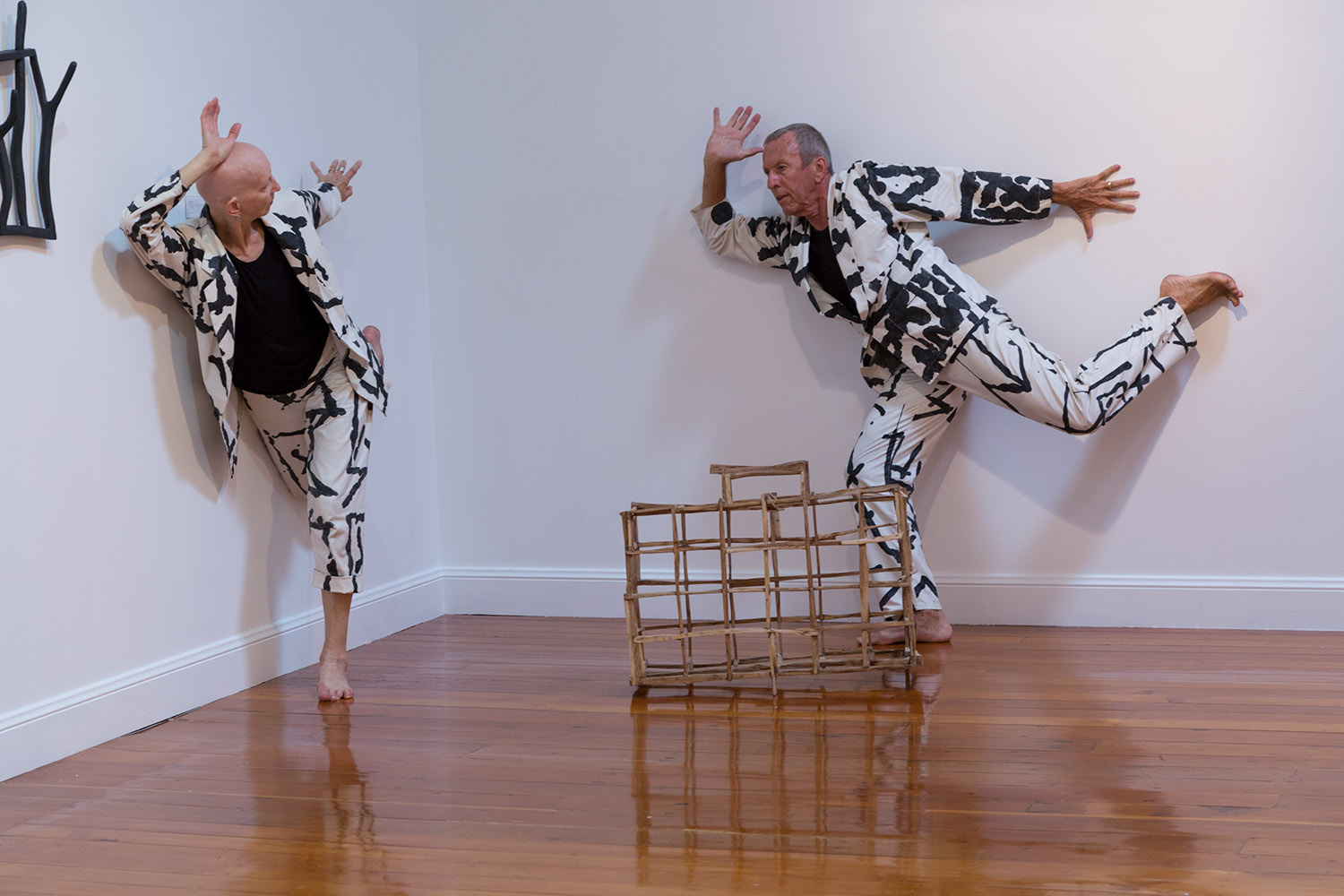
Performance at Annandale Galleries, Sydney, 12 March 2016
VIMEO link
When the Wind Blows
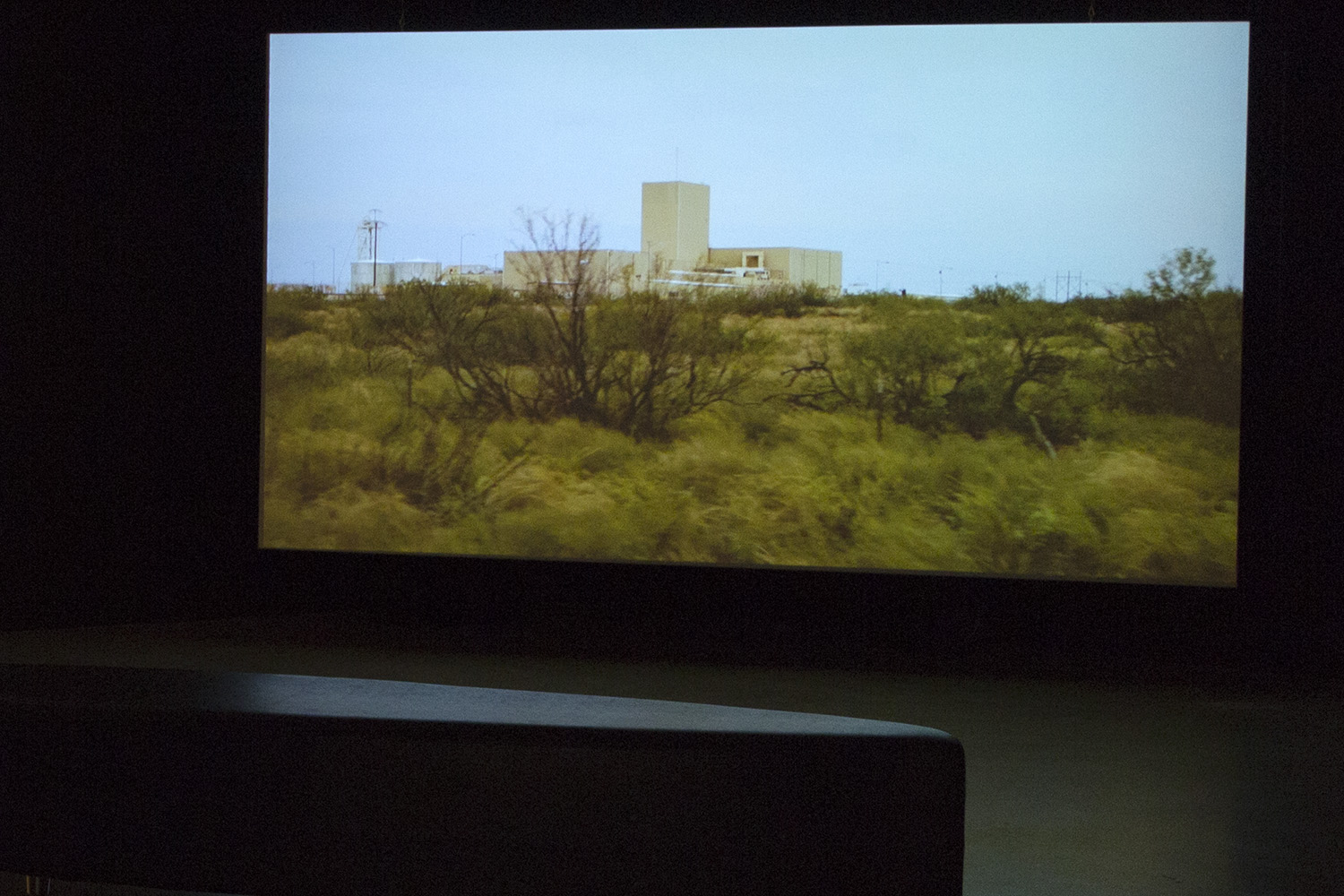
When the Wind Blows, 2020 exhibition, Stills Gallery, Sydney, 2015
VIMEO link
MARCH
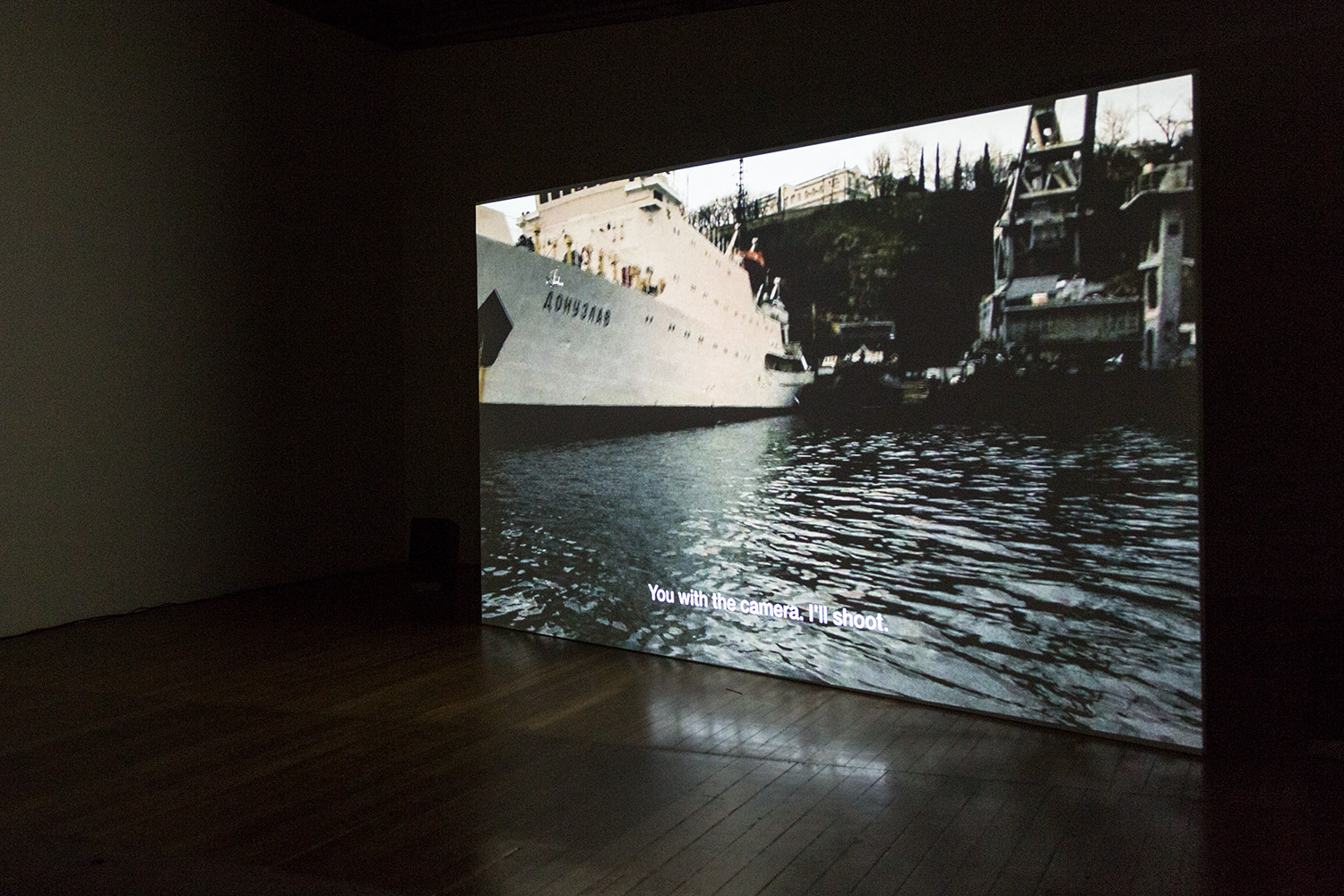
Installation view, MARCH, The Sceptical Image exhibition, Sydney College of the Arts Galleries, Sydney, 2014
VIMEO linkLong Life (1)
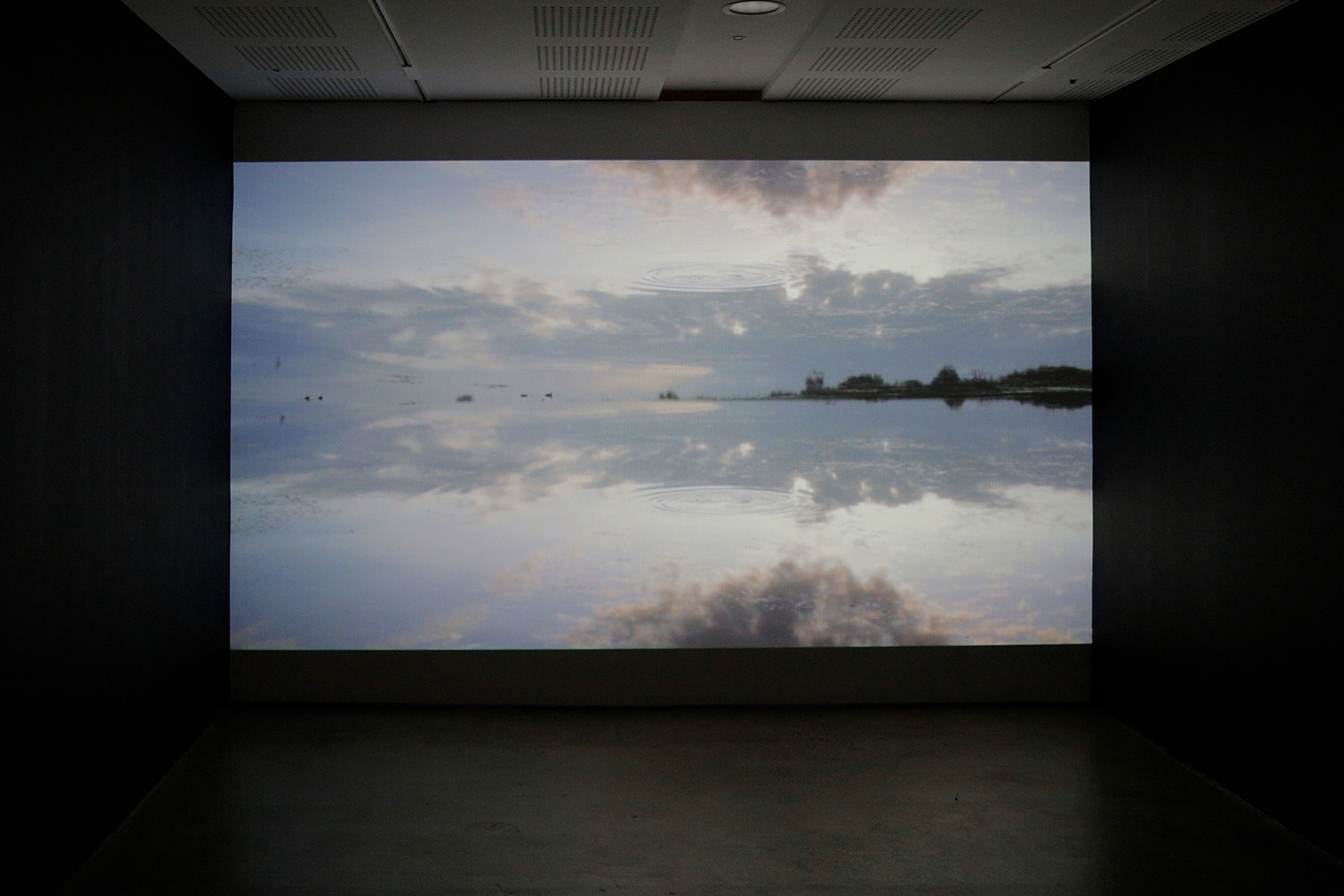
Long Life, City of Hobart Art Prize, 2013, Tasmanian Art Gallery and Museum, Hobart
VIMEO linkPrecarious
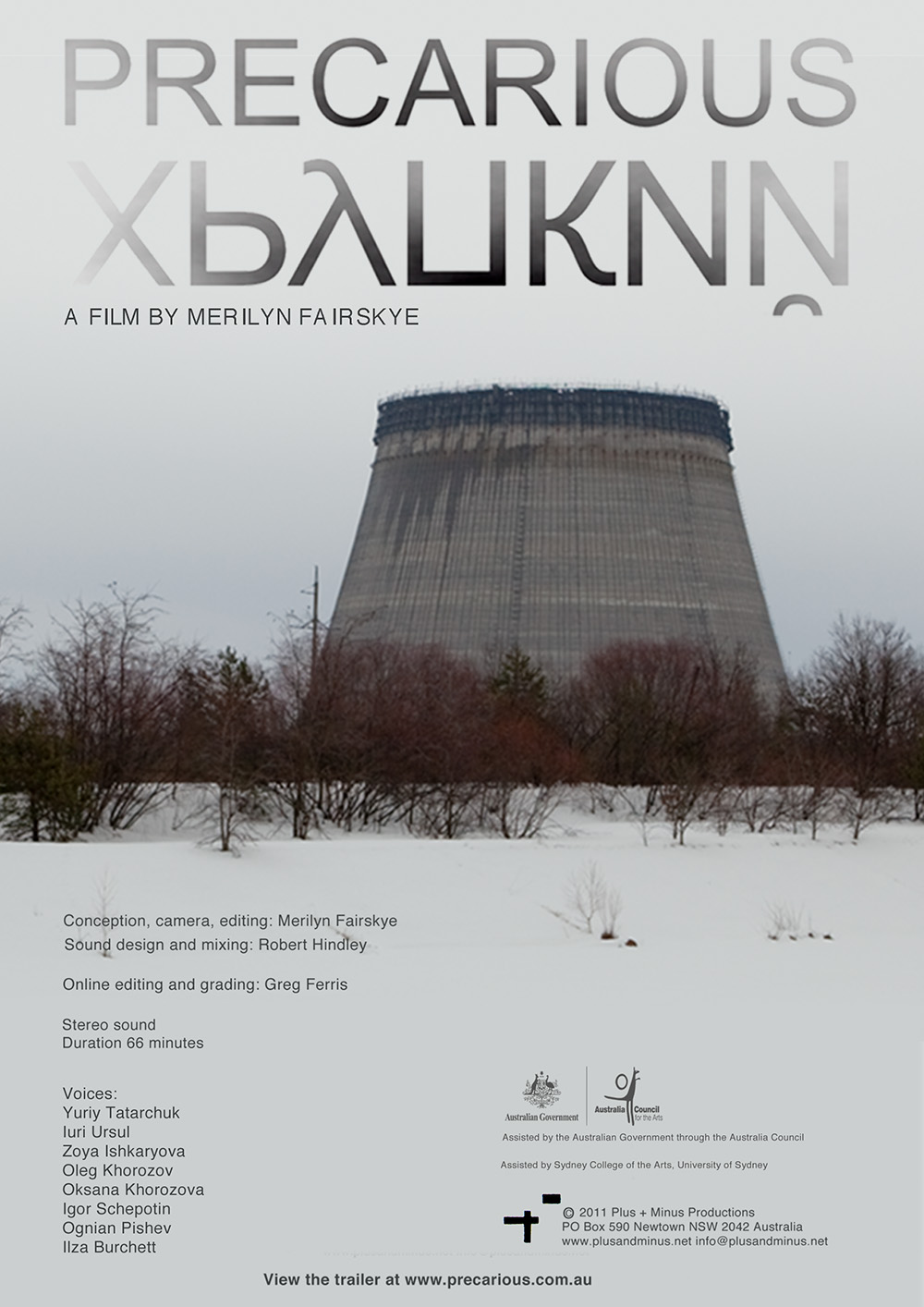
Poster, Precarious 2011
July 10 1982
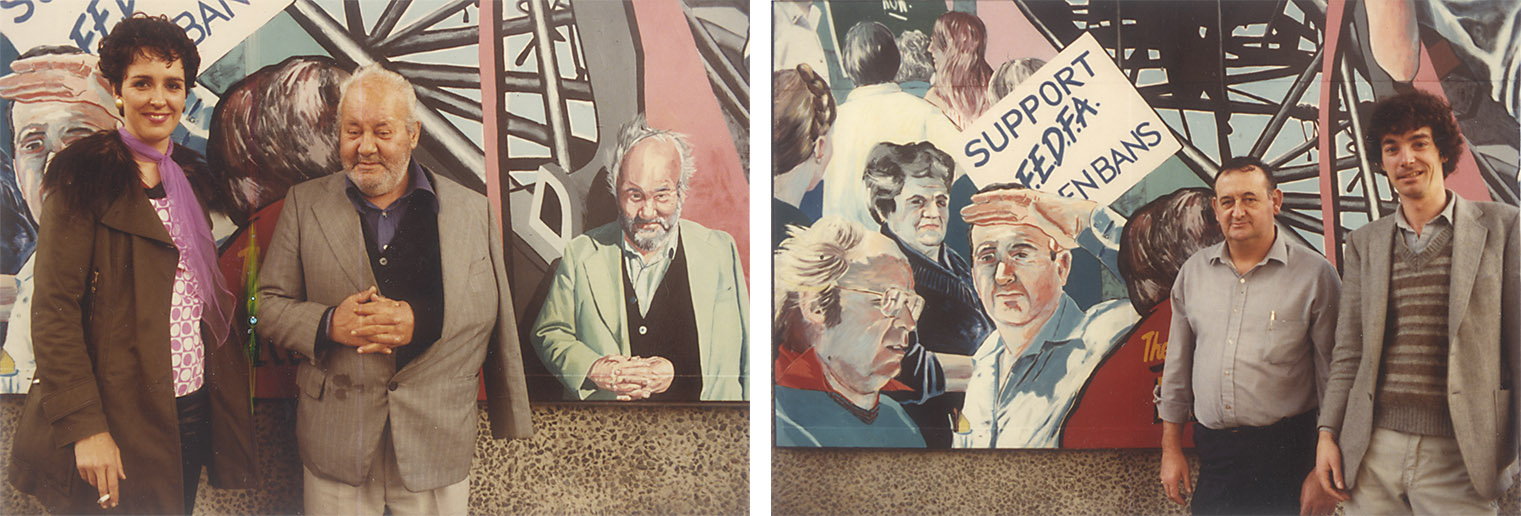
July 10 1982, 2010
Merilyn Fairskye 2010
2-channel video installation
Duration 04:00 loops, colour, stereo sound
A video work for that commemorated the opening of the Woolloomooloo Mural Project on July 10, 1982 for the exhibition TIME AND SPACE at Hazelhurst Regional Gallery, Sydney, 3 July-15 August 2010.
The footage of the opening of the Woolloomooloo Mural Project (artists Michael Dolk and Merilyn Fairskye) on July 10, 1982, originally recorded by Beth McRae, Erika Addis and Pat Fiske, was re-mixed and slowed down to inscribe a time and space for memory and reflection. Still photographs taken at the opening by Sandy Edwards have also been incorporated. Former BLF organiser and green bans activist Joe Owens was one of the speakers at the opening. His speech provides the soundtrack.
Fieldwork I & II
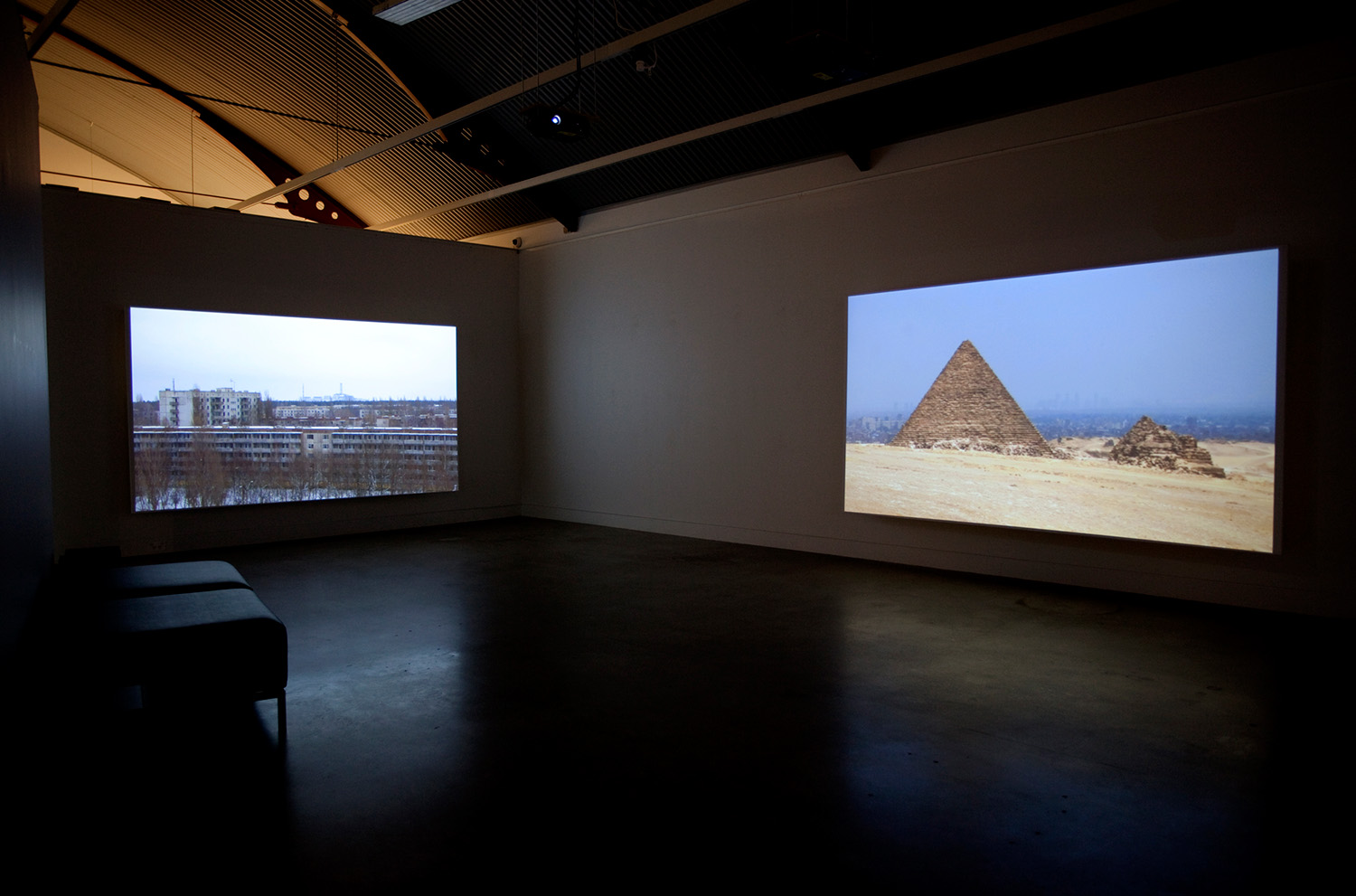
Installation view, 100 exhibition, Stills Gallery, Sydney, 2009
Fieldwork I (Echo Point, Giza, Pripyat)
Three-channel video installation, 3 custom screens,
Colour, stereo sound.
1. Echo Point, Katoomba, looking across to The Three Sisters. The Three Sisters, one of the Blue Mountains' most famous sights, tower above the Jamison Valley. A false Dreamtime legend was created in 1942 to boost tourism in the area. It claimed that three sisters fell in love with three men from a neighbouring tribe, but marriage was forbidden by tribal law. Battle ensued. The sisters were turned to stone by an elder to protect them, but the elder was killed in the fighting and no one the else could turn them back to flesh.
2. Menkaure's Pyramid, Giza, looking across to Cairo. The smallest pyramid, the tomb of Menkaure, was built sometime during the 26th Century BC. According to legend, Menkaure was a pious and beneficent king, in contrast to his two predecessors, Chephren and Cheops. In 1835, the remains of a wooden anthropoid coffin inscribed with Menkaure's name and containing human bones were discovered in the upper antechamber of the pyramid and removed. The coffin can now be viewed in the British Museum.
3. Pripyat, looking across to Reactor 4, Chernobyl. The ruined Chernobyl nuclear facility still contains some 200 tons of radioactive fuel. A steel and concrete shell was built soon after the disaster to contain the radiation. It is becoming increasingly unstable. A billion-dollar Safe Confinement replacement has recently been completed, designed to enclose the existing sarcophagus for 100 years. Within the lifetime of the new shelter, it is hoped that a way of dealing with the radioactive fuel and the breached reactor will be found.
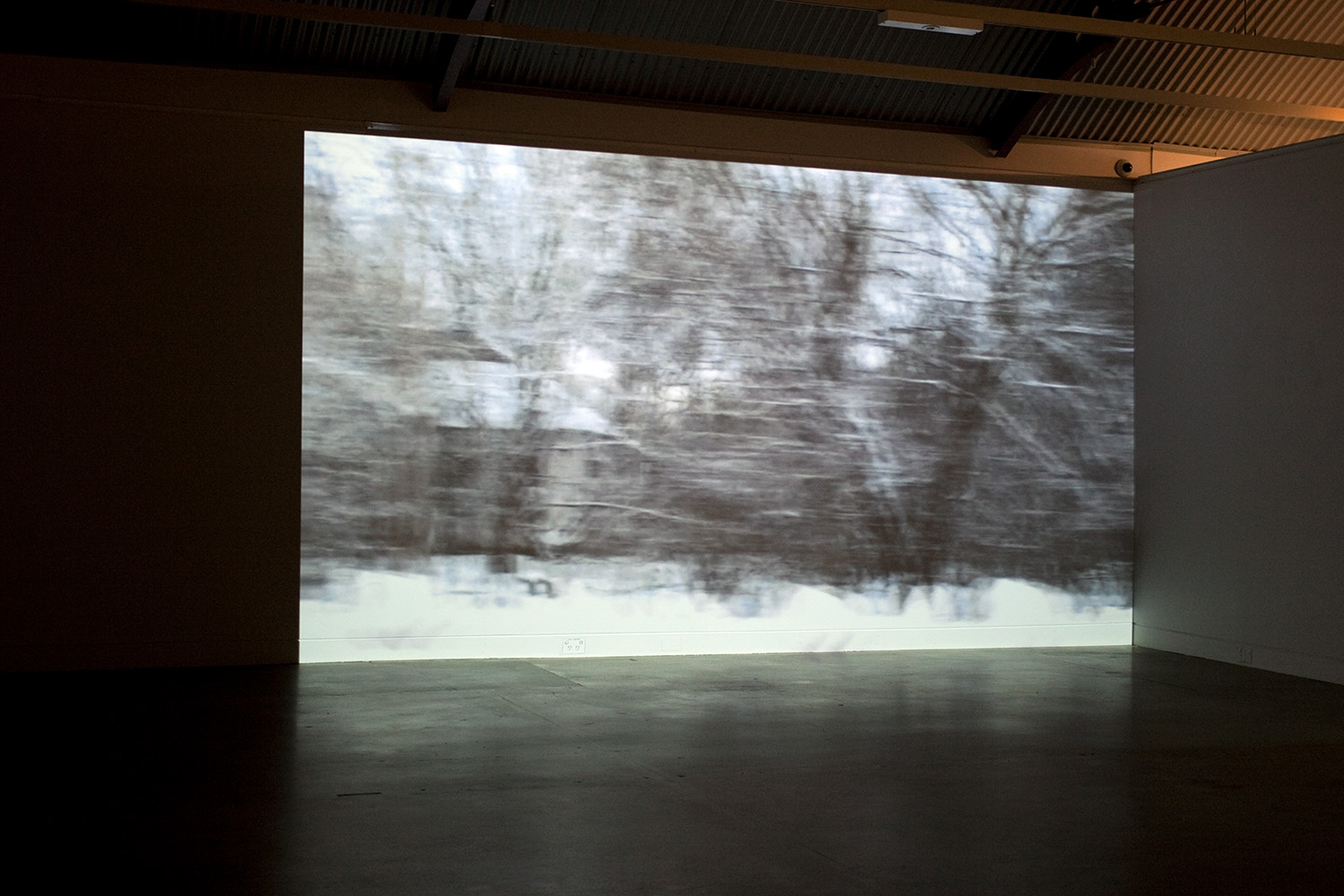
Installation view, 100 exhibition, Stills Gallery, Sydney, 2009
Fieldwork II (Chernobyl)
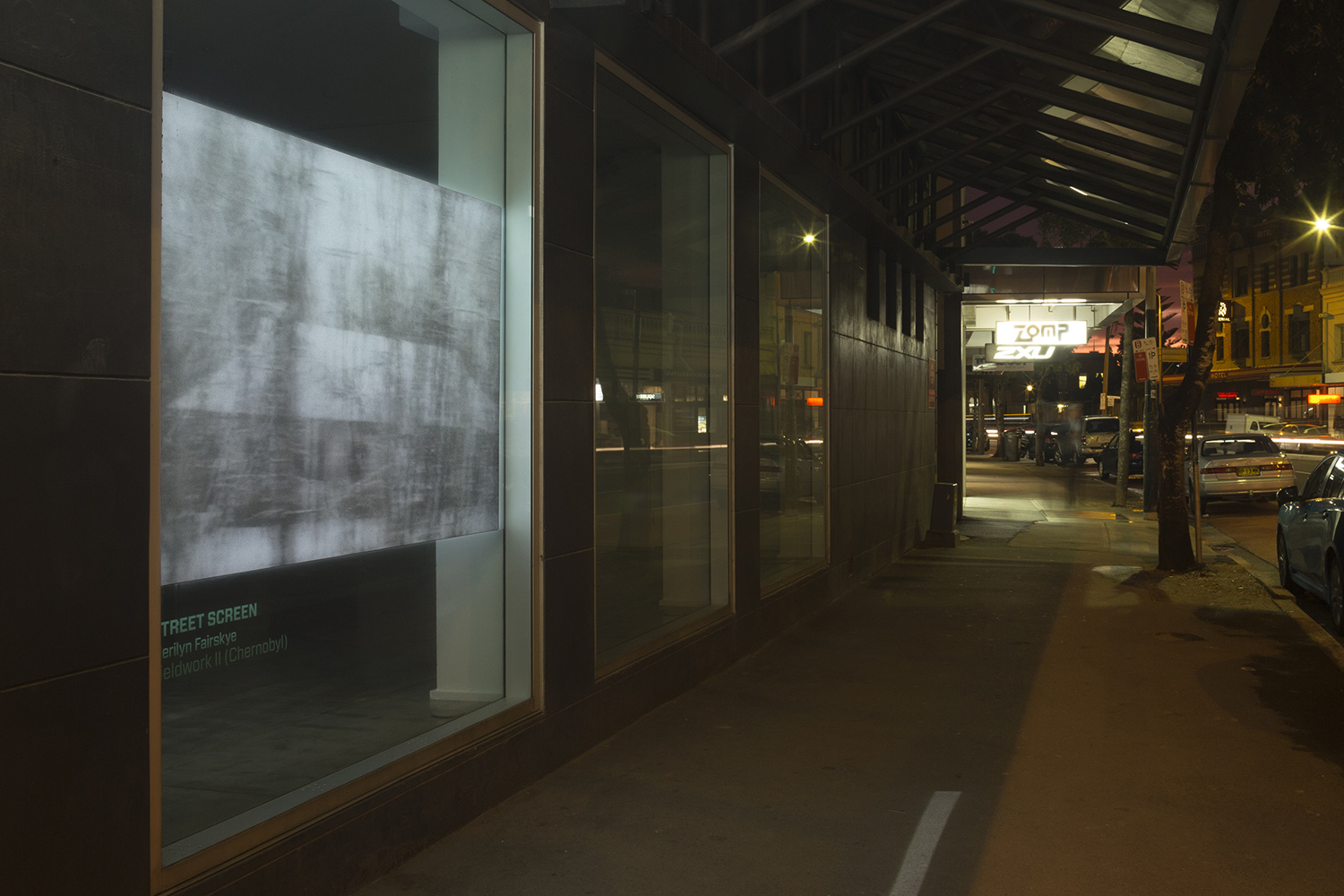
Fieldwork II Street Screen, Australian Centre for Photography, Sydney, 2015
Aqua/ocean 2009
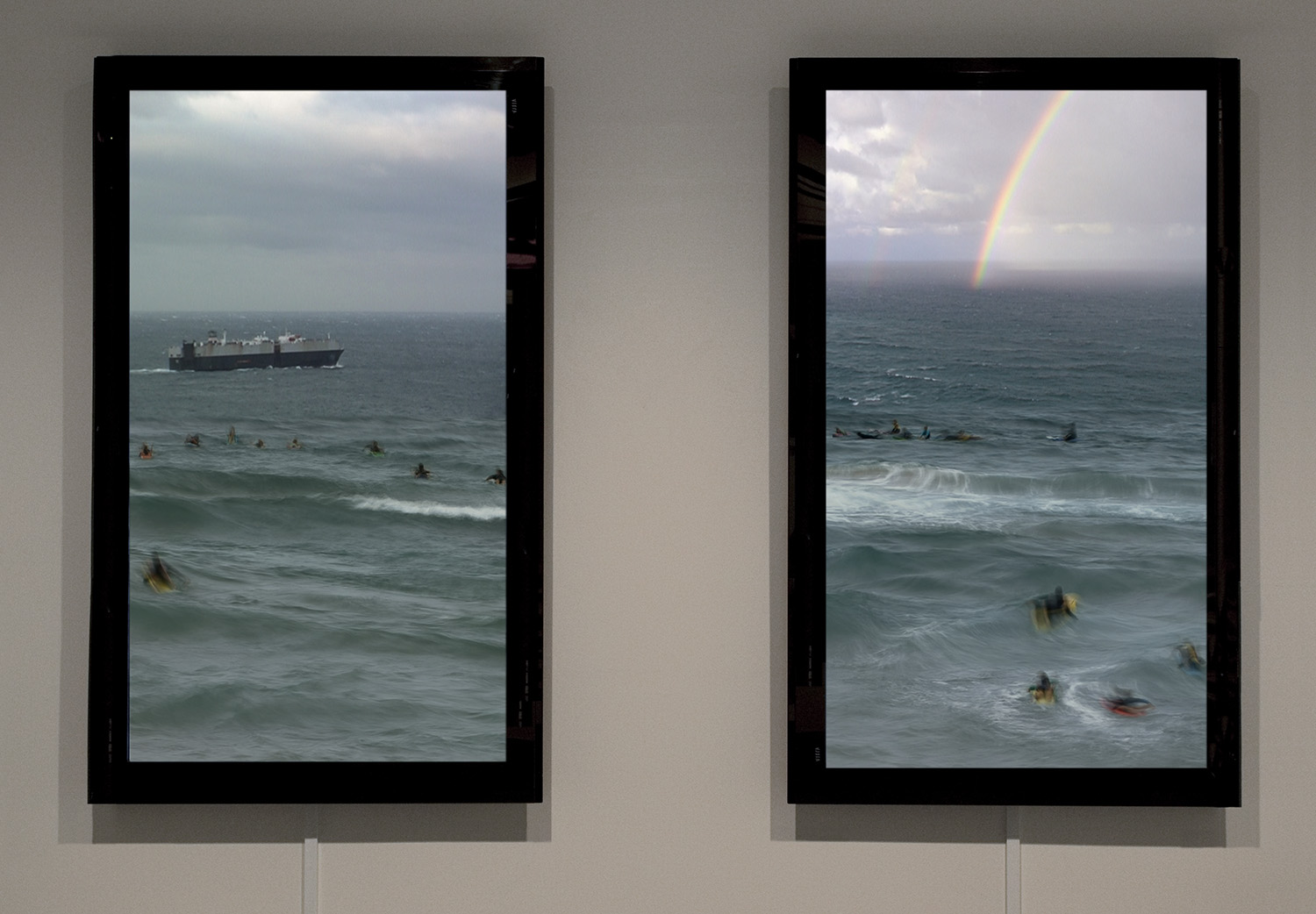
Installation view, 100 exhibition, Stills Gallery, Sydney
2-channel video installation. Colour, silent
Duration: 3 minute loops.
My Favourite Australian 2008
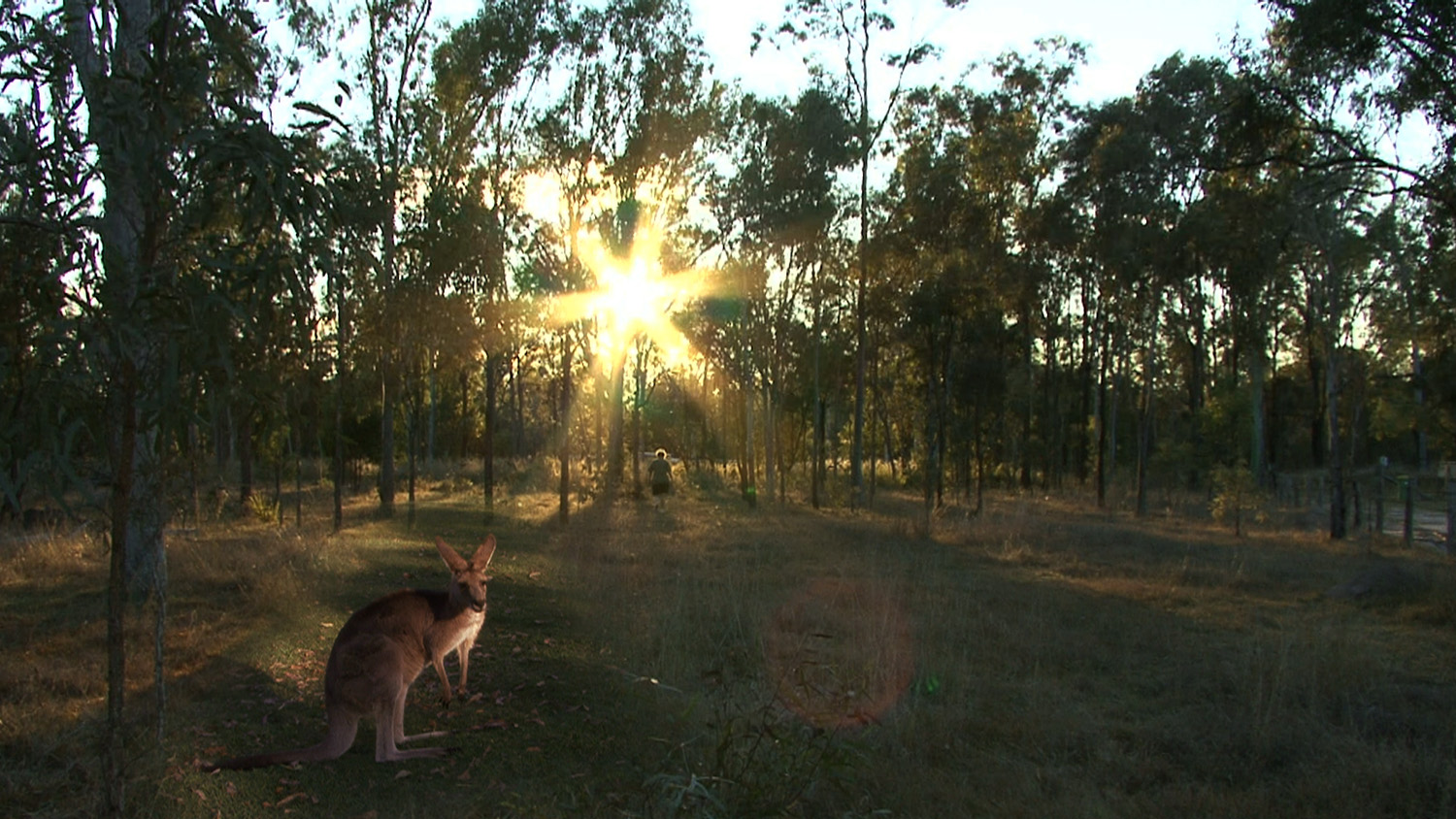
Still from Ruth Lewis 2008
Duration: 02:30, stereo sound
Single channel video.
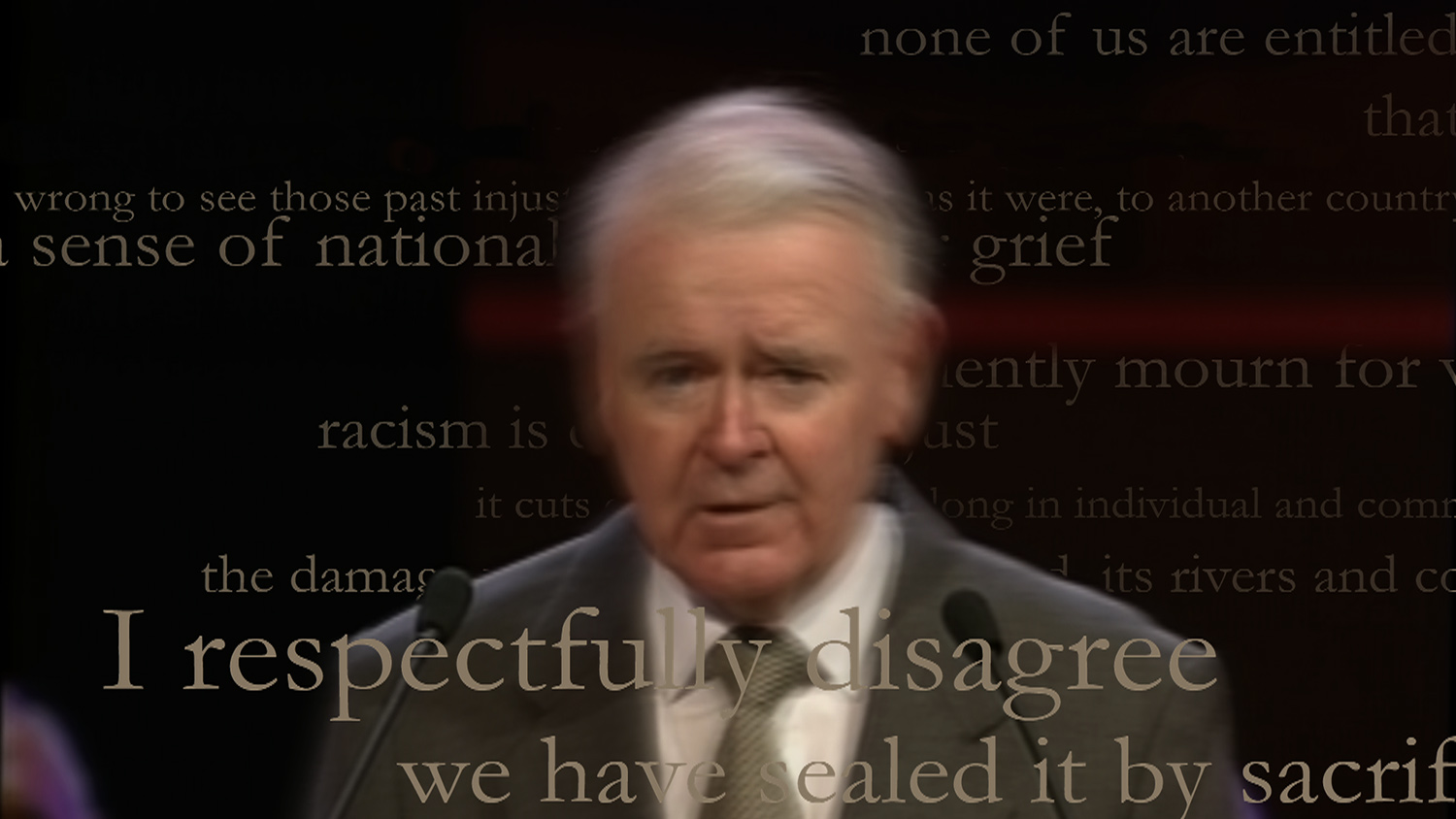
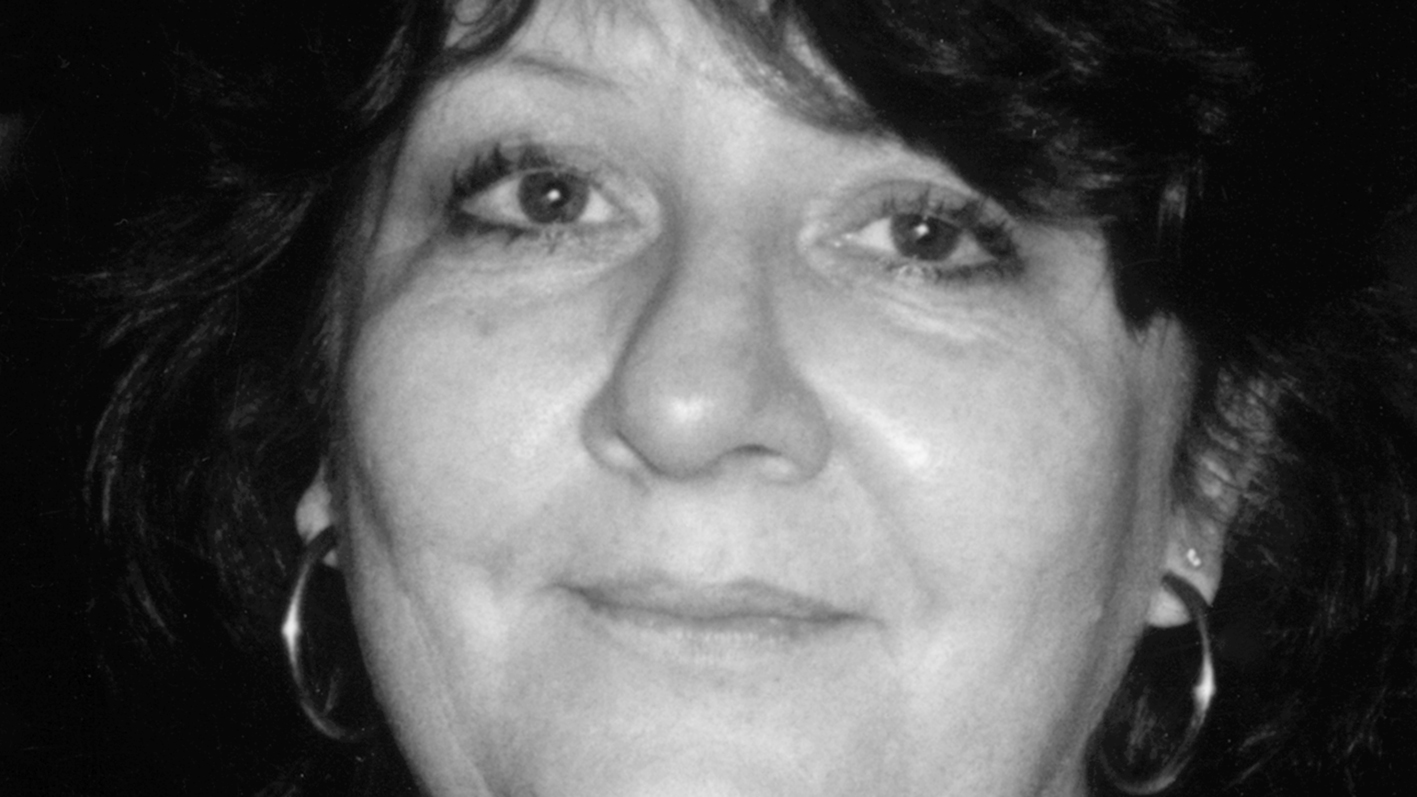
Still from Dian Wellfare 2008
Duration: 03:00, stereo sound
Single channel video.
My Favourite Australian is a project developed in collaboration between the National Portrait Gallery and ABC TV. Early in 2008, the ABC commissioned video portraits of a selection of well known and little-known Australians who were voted for by the Australian public.
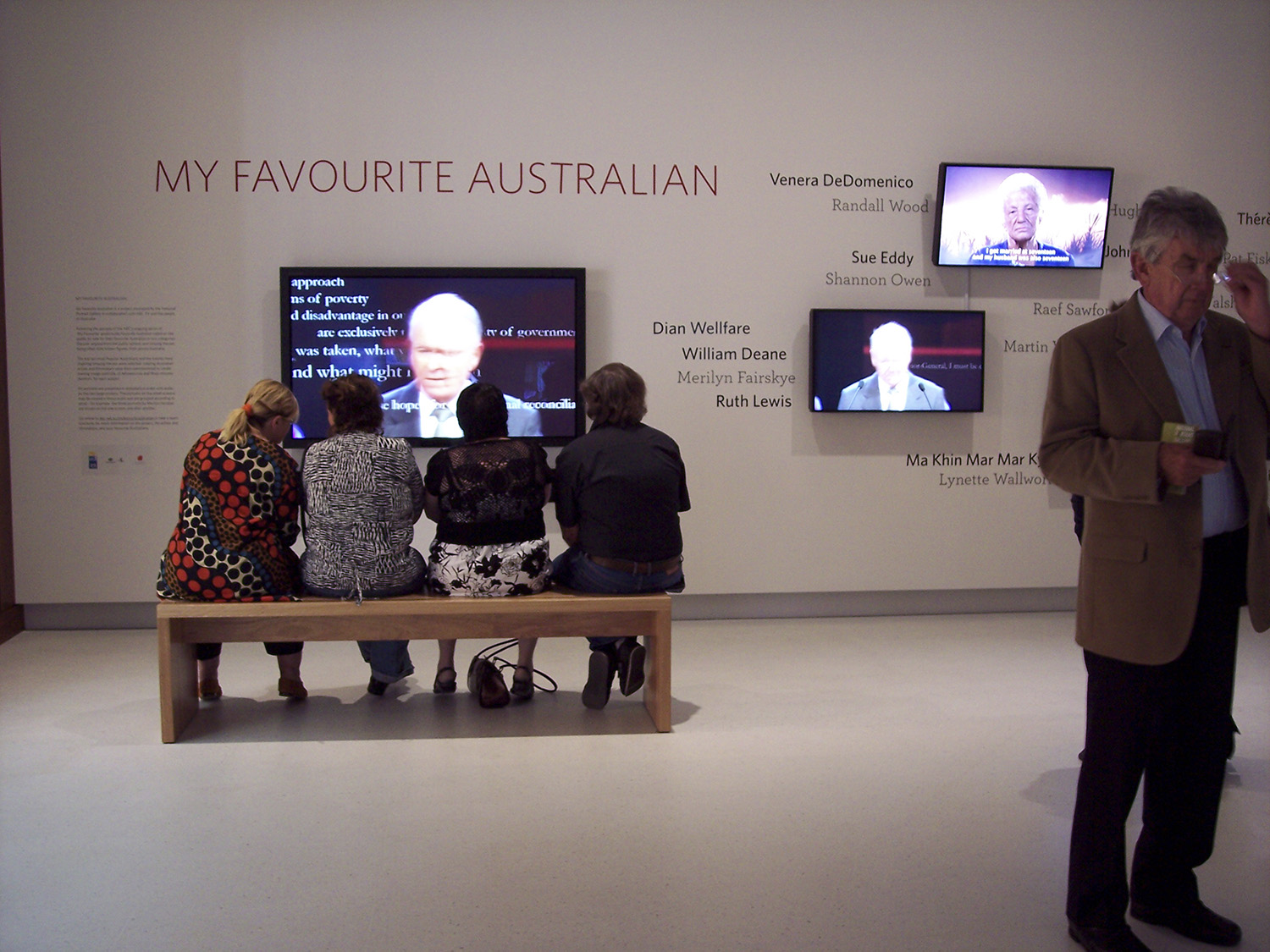
Installation view, My Favourite Australian, National Portrait Gallery, Canberra 2008
Stati d'Animo
The overall body of work, Stati d'Animo, invokes the trilogy of paintings (1911) by the Futurist artist Umberto Boccioni that addressed the mixture of dynamism, chaos, and anxiety of those who leave, those who stay behind and those who say farewell in the modern city of the early 20th century. The international airport replaces Boccioni's railway station as the principal site of human movement - a technological zone of passage in which people suspend their usual lives.
Stati d'Animo exists in several forms - as stills, a video essay, and multi-channel and single-channel video installations.
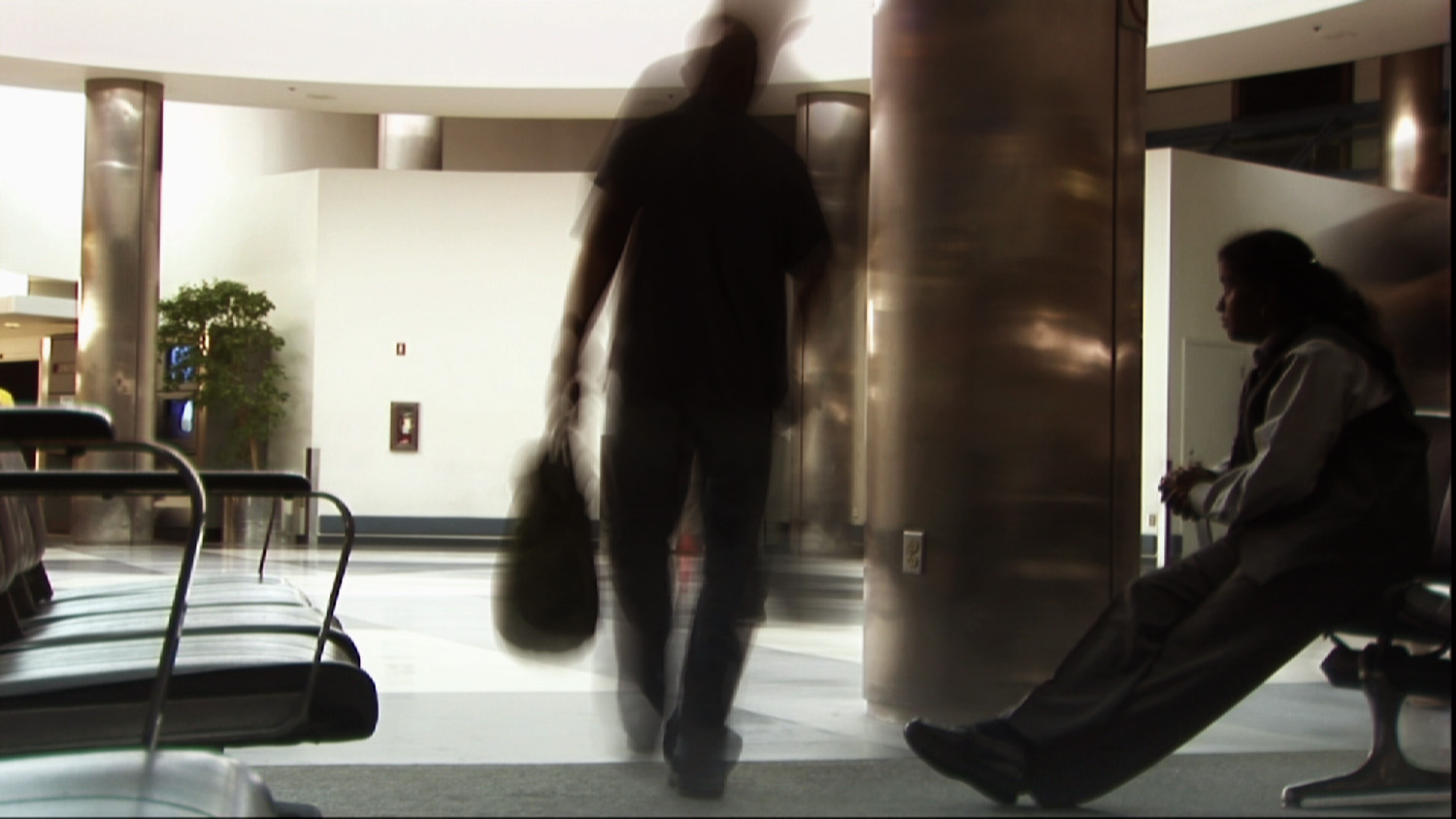
Screen shot, Stati d'Animo
Stati d'Animo 2007-2011
Single-channel HDV. Duration: 24:34
5.1 Surround Sound, Stereo sound
Produced in Association with the Australian Film Commission.
Produced with the assistance of Sydney College of the Arts, University of Sydney.
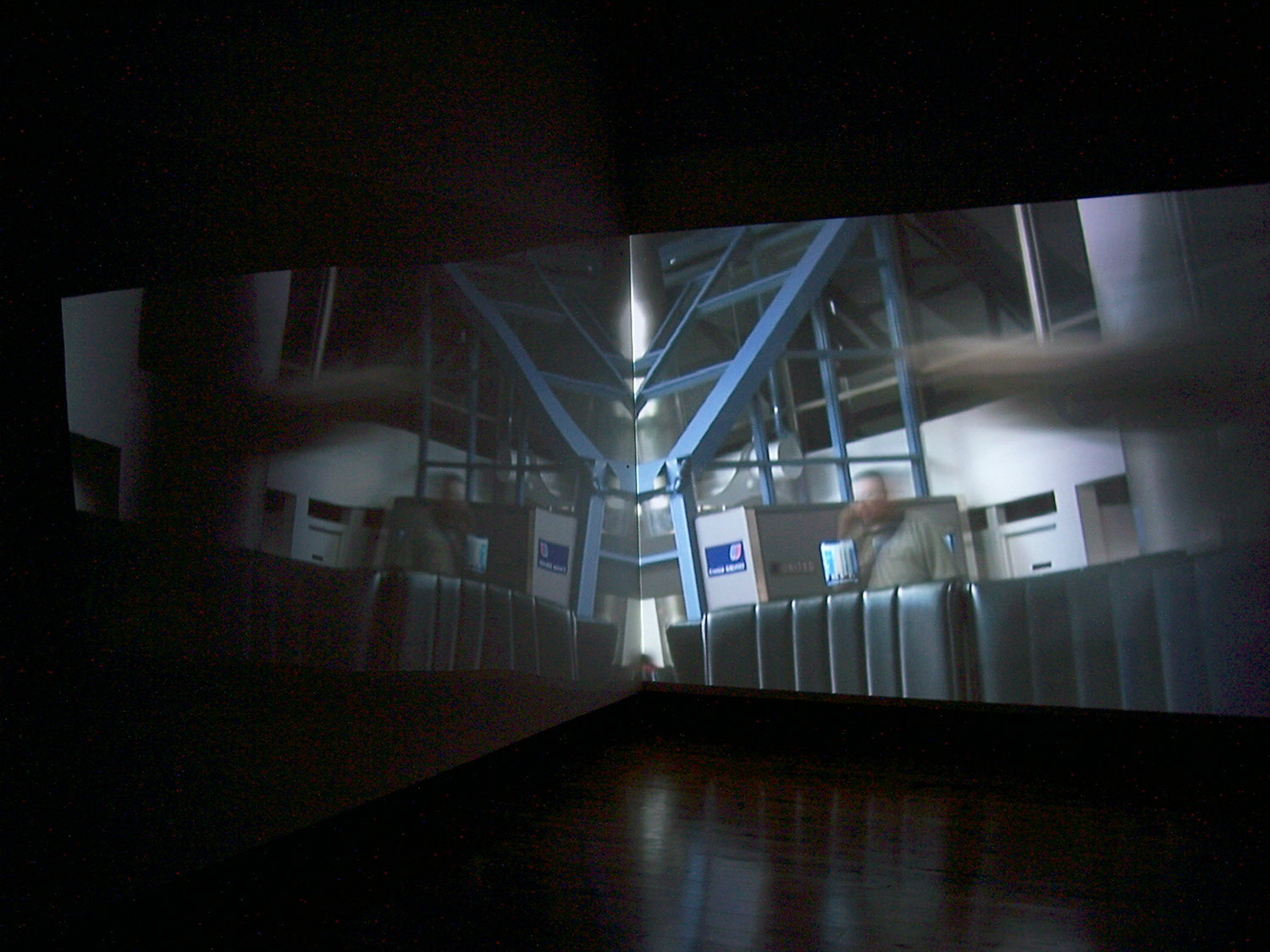
Installation view, Stati d'Animo/60 Seconds/07, Stills Gallery, Sydney 2007
Stati d'Animo/60 Seconds/07 2007
Single-channel video installation: wall projection, acrylic sheet
Original format: HDV, colour, stereo
Transferred to DVD, 04:45 loop
60 one-second sequences of anonymous travellers captured at 18 airports. Stati d'Animo/60 Seconds/07 is the final component of a body of work that exists in several forms -- as stills, as cinema projection and as single and multi-channel installations.
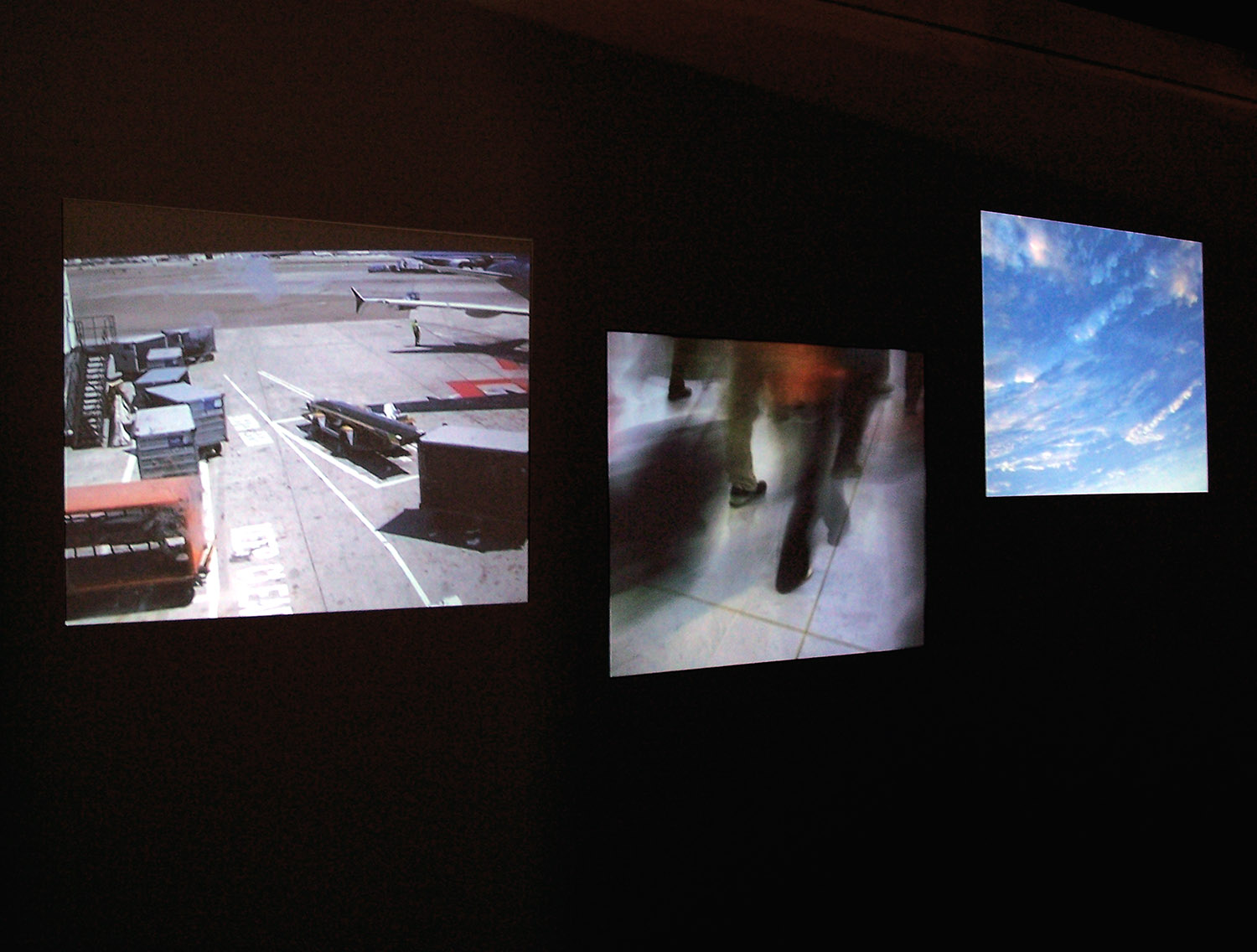
Installation view, Stati d'Animo, Stills Gallery, Sydney 2005
Stati d'Animo 2005
Three-channel SD video installation
Color, silent, 04:00 loops
Connected
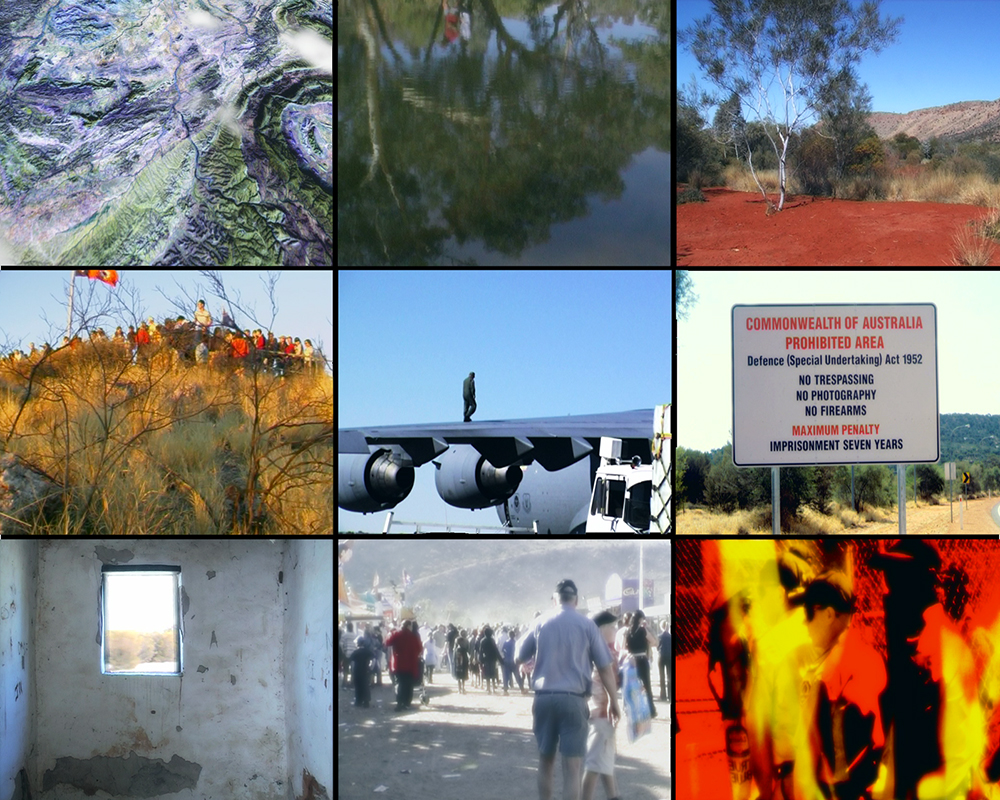
Image: Composite screen captures, CONNECTED
Connected 2003
1. SD single-channel video, stereo/surround sound, 25:00
2. 3-channel video installation, surround sound, 25:00 loop
Alice Springs is one of the most isolated towns in Australia. In December 1966 an agreement was signed that allowed the construction of Pine Gap, a US-Australian Joint Defence Space Research facility, as a base for global satellite technology and one of the largest ground control centres in the world, just 17 kilometres outside of Alice. The base connected the world to Pine Gap. This work considers how disembodied and shadowy the experience of being constantly connected can be. The work adopts a Pine Gap modus operandi. Sites are monitored, from the air and from the ground - Anzac Hill; the airport; the Pine Gap exit; Ormiston Gorge; Hermannsburg Mission; Kata Tjuta - to create a sense of a town and a landscape inhabited by shadows, mirages, and reflections. People inhabit this space tenuously. You never get to see them. You hear from them, or about them. Every one around Alice Springs has a story, or a friend with a story, that connects to the base. These anecdotes interweave with intercepts from recent news reports; ambient sounds; static; Morse code from Telegraph Station, the roar of road trains speeding down the Stuart Highway; a lone didgeridoo.
CREDITS
MERILYN FAIRSKYE (c) 2003
Post production: GREG FERRIS@MSV
Voices: William Beattie, Frank Chien, Michiel Dolk, Neville Field, Russell Goldflam, Patrick Hayes, Rose Landes, Pamela Lofts, Pip Mc McManus, Lesley Savage, Lisa Stefanoff, Bill van Dijk, Trish van Dijk, Michael Watts, Mandy Webb
Pine Gap protest stills, 2002: Mandy Webb, Trish van Dijk
Dingoes audio - courtesy of Listening Earth
Satellite images - Australia, Afghanistan, China, India, Korea, Pakistan: images courtesy Jacques Descloitres and Jeff Schmaltz, MODIS Land Rapid Response Team, NASA/GSFC
Iraq: Image provided by the USGS EROS Data Center Satellite Systems Branch
Thanks to Alice Springs Art Foundation, Araluen Arts Centre, Aurora Resorts, Robert Hindley, Beth McRae, Elizabeth Ann Macgregor, Rod Moss, Ognian Pishev, Trish and Bill van Dijk, Michael Watts, Mandy Webb, Iain Campbell, and Sydney College of the Arts, University of Sydney
Merilyn Fairskye acknowledges Uluru Kata Tjuta National Park as a World Heritage Area and Living Cultural Landscape, and Anangu culture and ownership of this Park.
Produced in association with the Australian Film Commission
(c) Merilyn Fairskye and the Australian Film Commission 2003
Three-channel production assisted by the Australia Council for the Arts
CONNECTED 3-CHANNEL VIDEO INSTALLATION
THE EXPERIENCE
Two side projections show a range of apparently unedited scenes and outtakes that appear to assemble and disassemble the images on the centre screen, which is the core program of the 25-minute single-channel digital video of Connected. As people enter the space, their shadows interrupt/intercept the images on Screens 1 and 3 in a simple gesture of low tech interactivity.
TECHNICAL
A digital video/database installation, 3 channels, surround sound. Duration: 25-minute loop.
Eye Contact
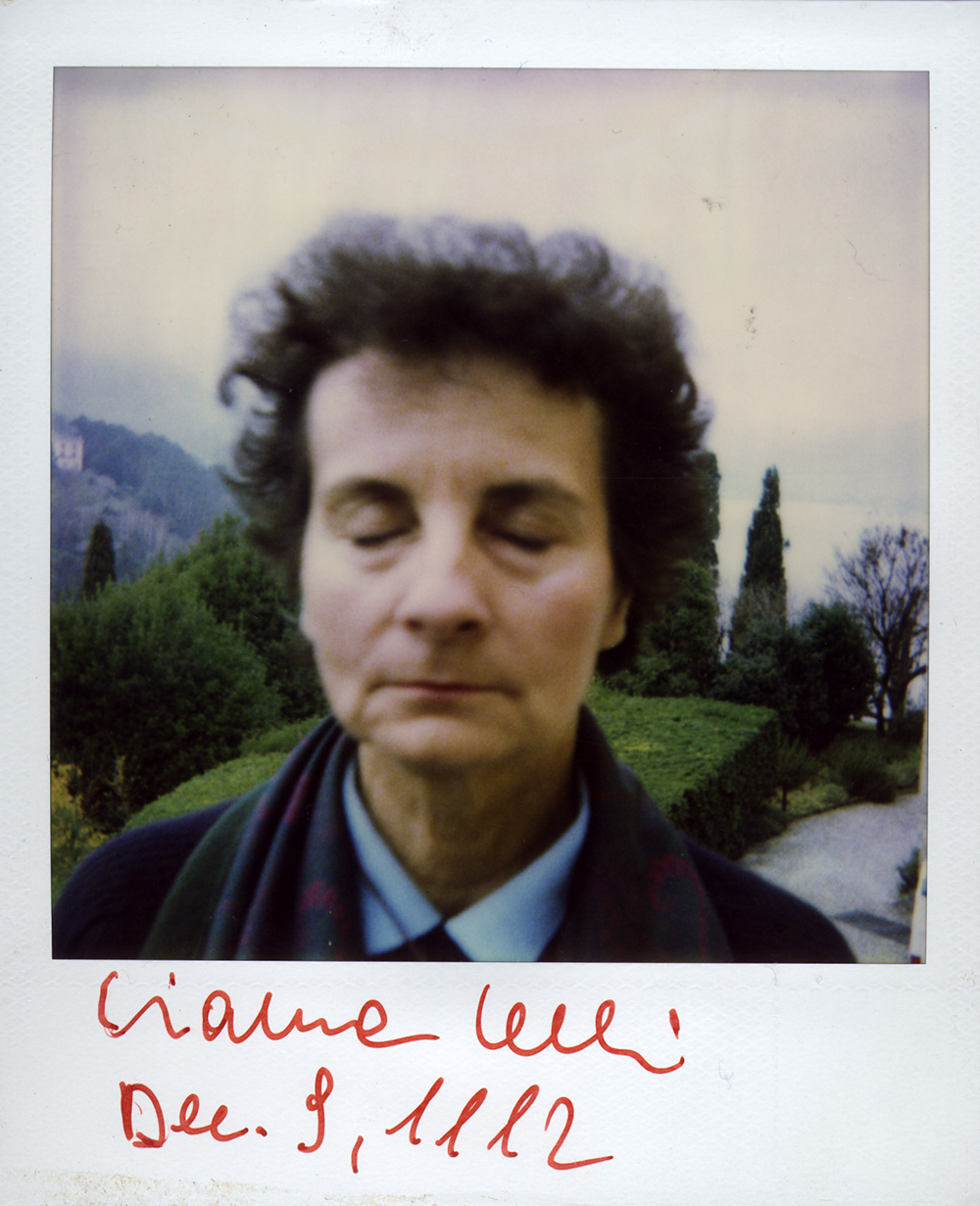
Production still 1992 (gianna, administrator, italy)
EYE CONTACT 2000
Installation version: DVD. Duration: 40min
colour with stereo sound
Screen version: Betacam SP Duration 8'17"
colour with stereo sound
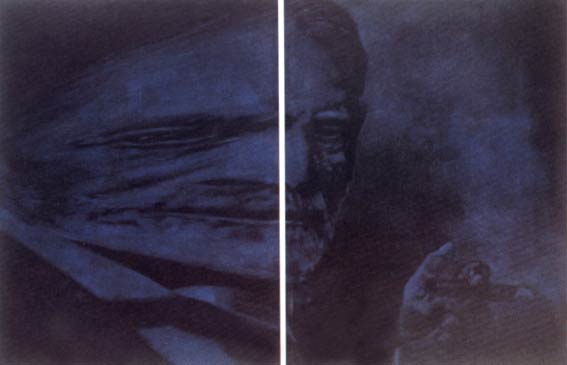
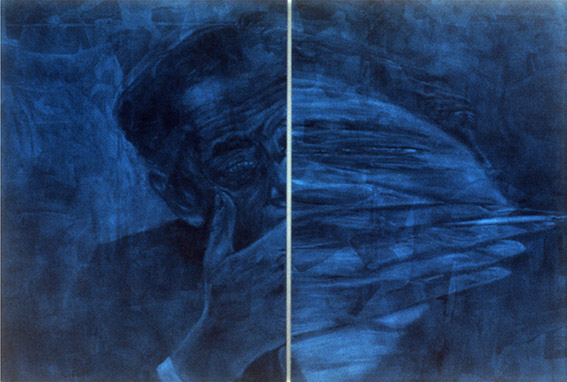
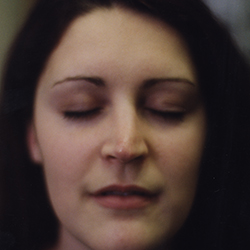
Eye Contact is the culmination of a long-term investigation of the landscape of the face. Since 1990 I have been exploring the way the face has moral meaning for us, especially when we read a caption or a story that claims to identify the person's relationship to 'something'. Previously, I worked with painted images based on media images. This work focuses on the photograph and the near-anonymous subject. Since late 1992 I have systematically photographed people with whom I come in contact. There are 1000 images in the series. Many of these images have been used as source images in other works since 1992 e.g. Proposals for Rooms with Columns, Invisible Paintings, After Image and Double Exposure. Each image is 'captioned' with the person's first name, occupation and country of birth. They are mostly unknown people from a wide spectrum of racial and social origins who are instructed to adopt a neutral expression and to close their eyes before being photographed. The fact that their eyes are closed is important - on the one hand not dead or asleep, on the other, not awake, but somewhere in between.
These still images are presented in their final, complete form as a video installation with soundscape. This work was exhibited during 2000 at the Institute of Modern Art, Brisbane; Stills Gallery, Sydney (included in the Olympic Arts Festival) and Araluen Galleries in 2001-2002. It won the 2001 Alice Springs Art Prize.
CREDITS
Producer/ director MERILYN FAIRSKYE
Camera MERILYN FAIRSKYE
Soundscape REACH AROUND & CHIT CHAT VON LOOPIN STAB @ AUDIO SWEET
Post production GREG FERRIS @ MSV
Post production partially assisted by The Institute of Modern Art, Brisbane, MSV Media Services and DVM International.
Public Projects
.jpg)
Yesterday New Future (Liddell)
Yesterday New Future (Liddell) (2023) is a photographic and social history recording the transformation of the Liddell Power Station in the Hunter Valley, NSW, from one of the world’s oldest coal-fired power stations to a future renewable energy hub. It examines the site as a microcosm of geological time, human settlement, and industrial transformation. There are three components to the project: a photo series, a three-channel video installation and a process archive.
Commissioned by Powerhouse Photography, Yesterday New Future (Liddell) was made possible through funds generously donated by the Australian Centre for Photography.
2020
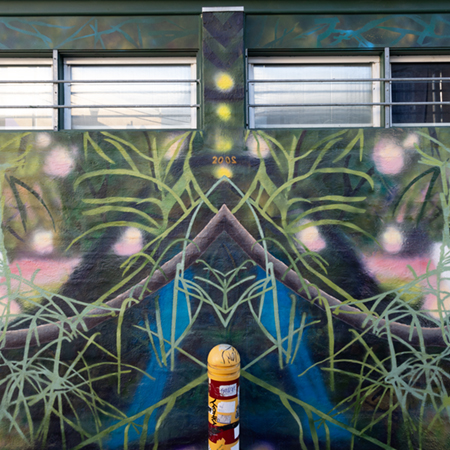
Detail. 2020. Mural, overall dimension: 290 x 781.5cms, acrylic paint. Location cnr. Wilford Lane and Wilford Street, Newtown.
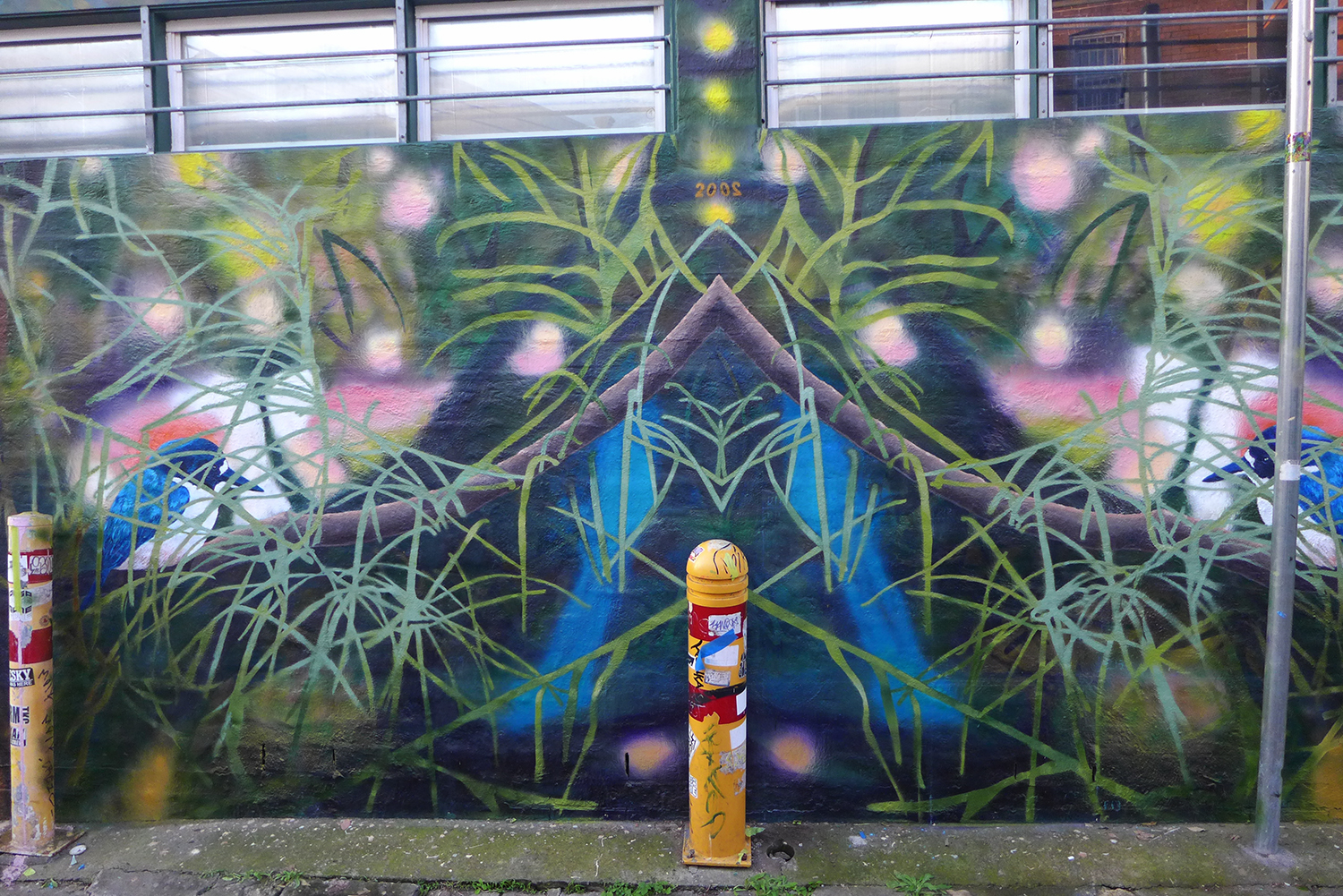
Artist: Merilyn Fairskye
Project assistant: Presley Joy Paget (PJP) @presleyjoypaget
Birds and twins on my mind, and a wish to make something beautiful for this time without over-thinking it.
A nod to my early artistic roots.
Stati d'Animo
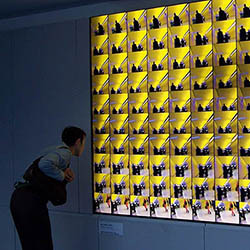
Sydney Airport at Work Program. Commissioned by Sydney Airport Corporation Ltd. Installed October 2006.
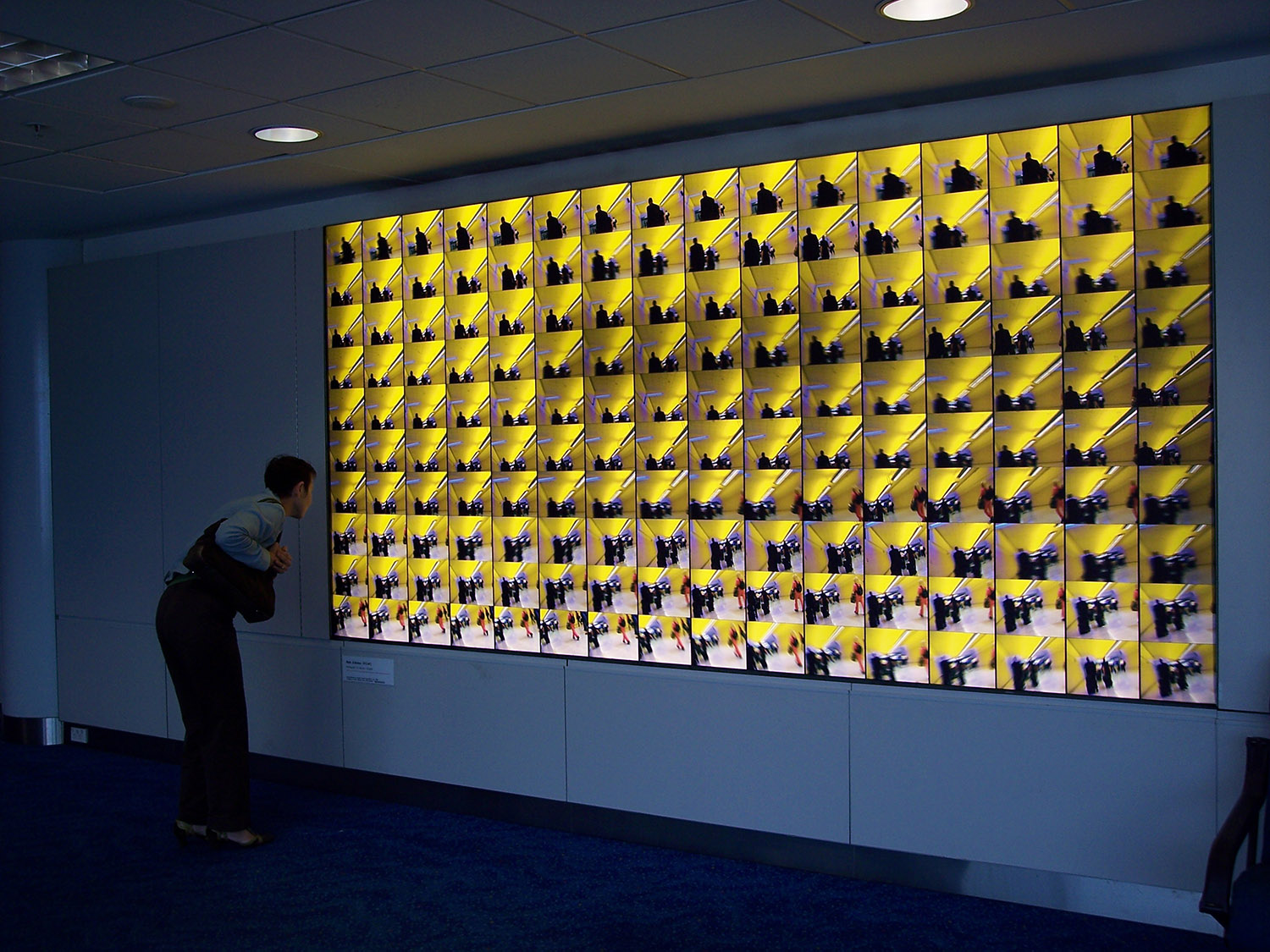
This work was derived from
Tide
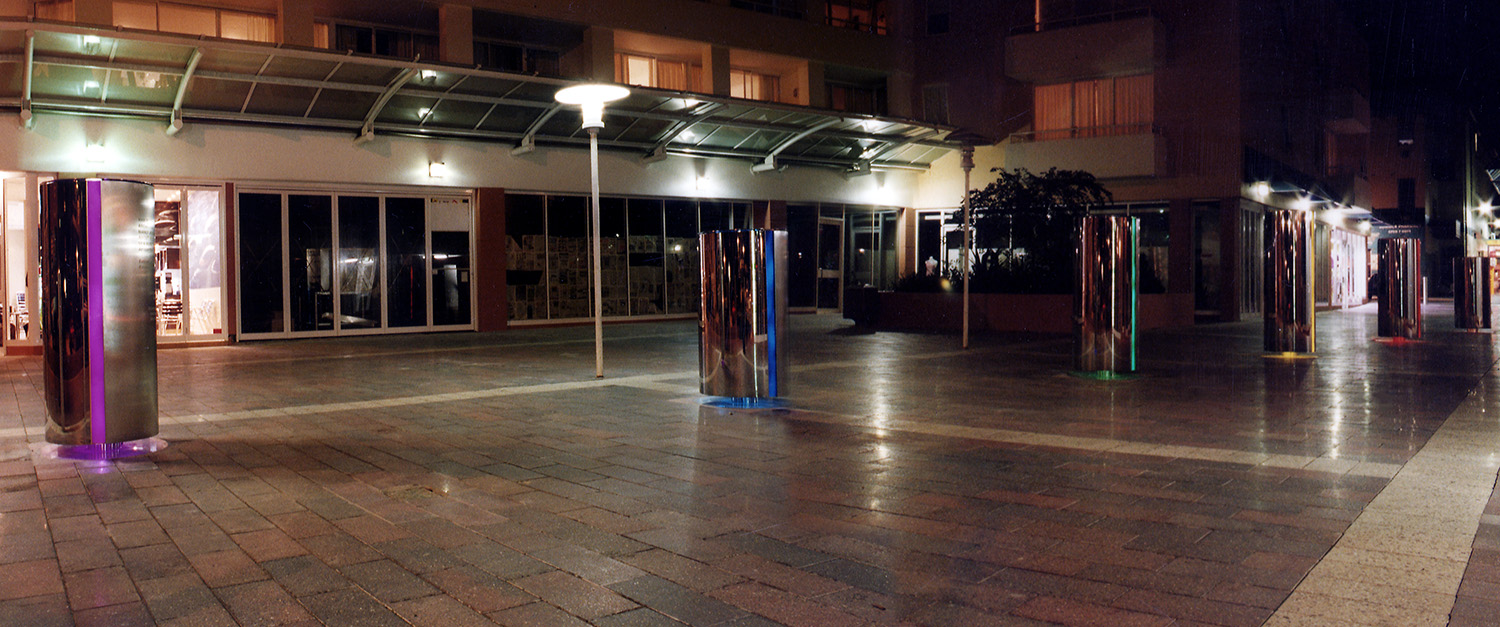
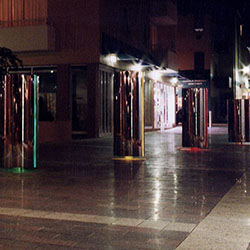
Tide, Rialto Square, Manly (in between Wentworth Street and The Corso). Commissioned by Manly Council. Completed April 2001
Six polished stainless steel column structures of varying heights are dispersed in a diagonal line from near Wentworth Street to the beginning of Rialto Lane where it meets the Square. Each structure houses acoustic sound activated during the day. Fibre optic lighting is activated at night. Each column's lighting is a movement between four monochromatic tones. The effect is of liquid, subtly changing colour. From one end of the square to the other, the colour spectrum is played out. The structures are supported off the ground by a central steel rod. Additional coloured light washes down from inside onto a white granite surround. The structures appear to float on light. The height of the columns coincides with high tide levels on six dates, from 4000BC to May 28, 2000. The sound component is no longer functional, but when it was, once each day, at the time of the lowest tide for that date, the repeated chiming of a single note could be heard in each column. At noon the sounds combined to play an interpretation of a transcription by a European circa 1825 of an Aboriginal song from the Sydney region.
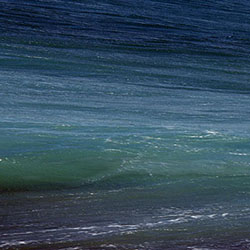
Sea (Kurnell)
Art at Work Program, Sydney International Terminal, Mascot. Completed Aug. 2000
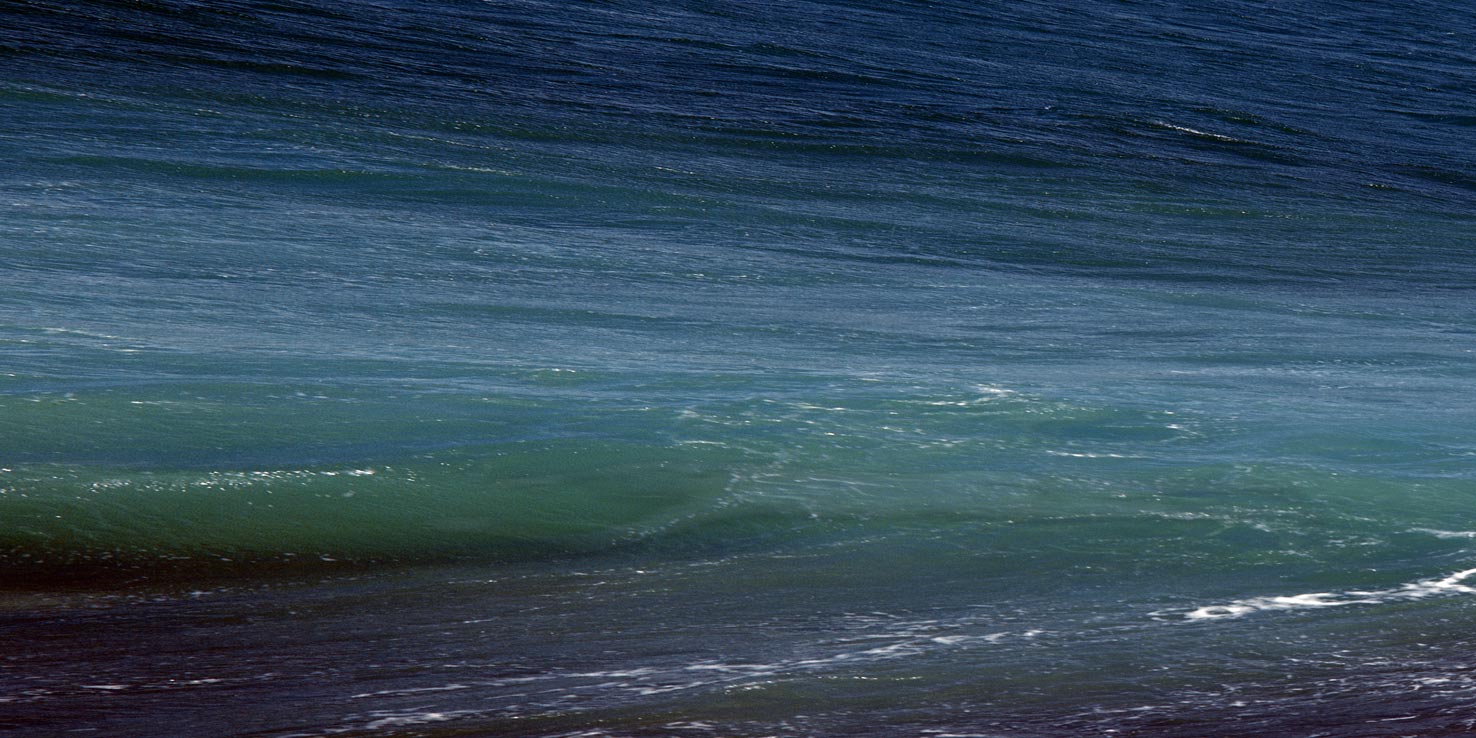
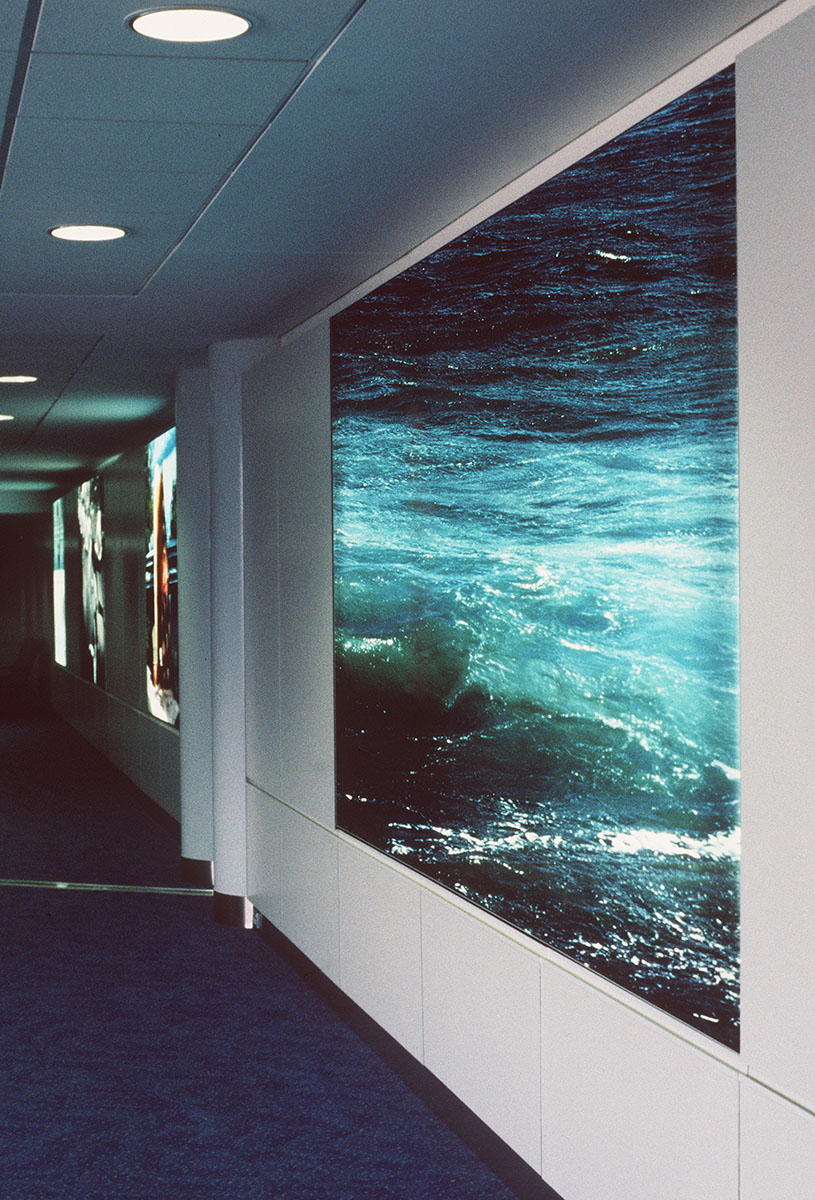
This was an initiative associated with the 2000 Olympics. Several artists were commissioned to create an image for customized lightboxes that are dispersed throughout the new arrival terminals at the International Airport. This work is 1m high by 2m long. With this image, I knew that people would be viewing it as they quickly moved past. An anamorphic stretch, the overall image is to be seen out of the corner of the eye. There is a hidden image within it that is only visible as you approach the lightbox from an oblique angle.
Material World
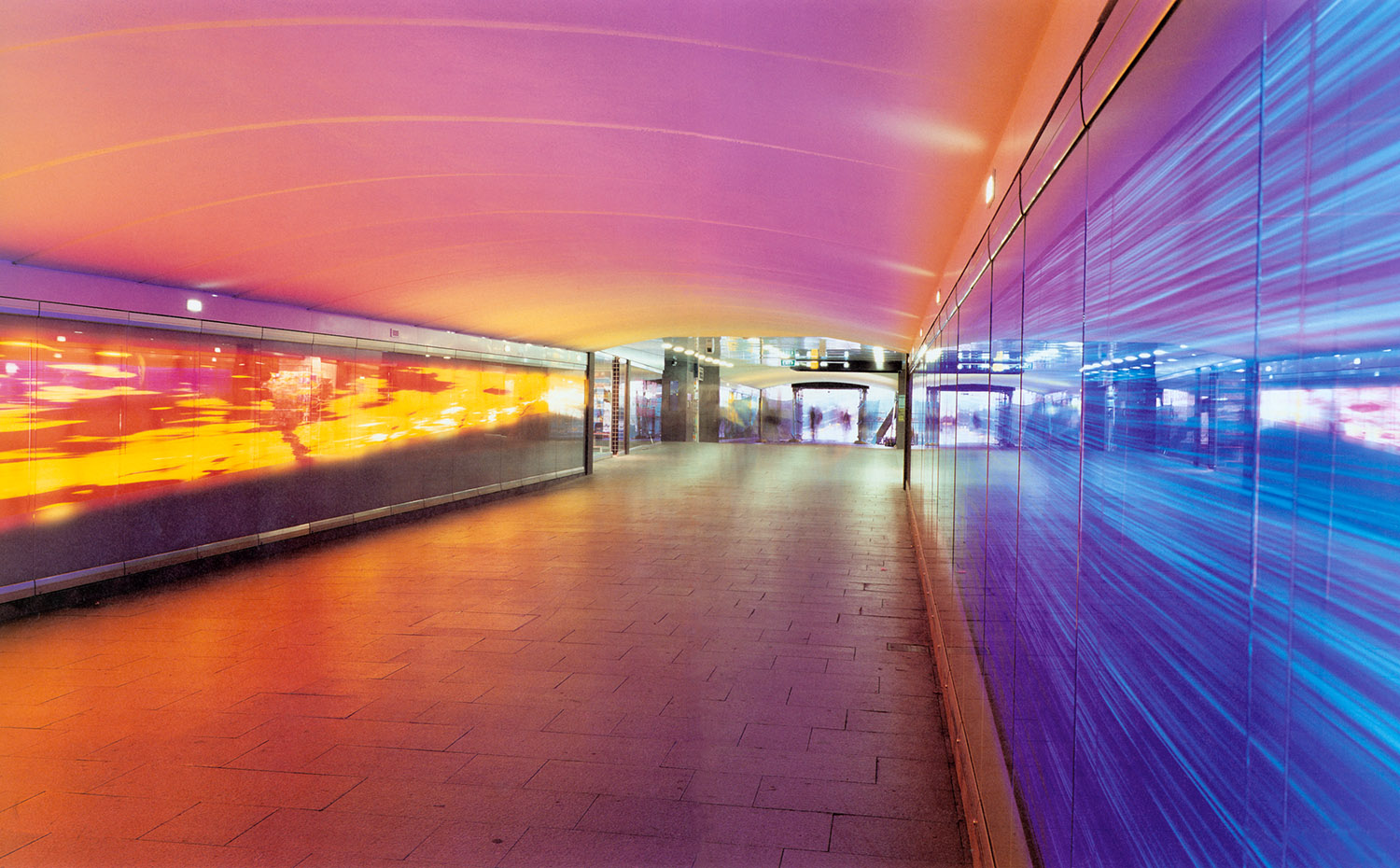
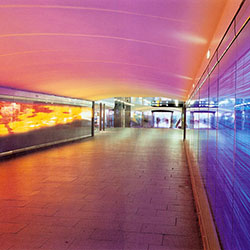
Material World: Devonshire Street Tunnel
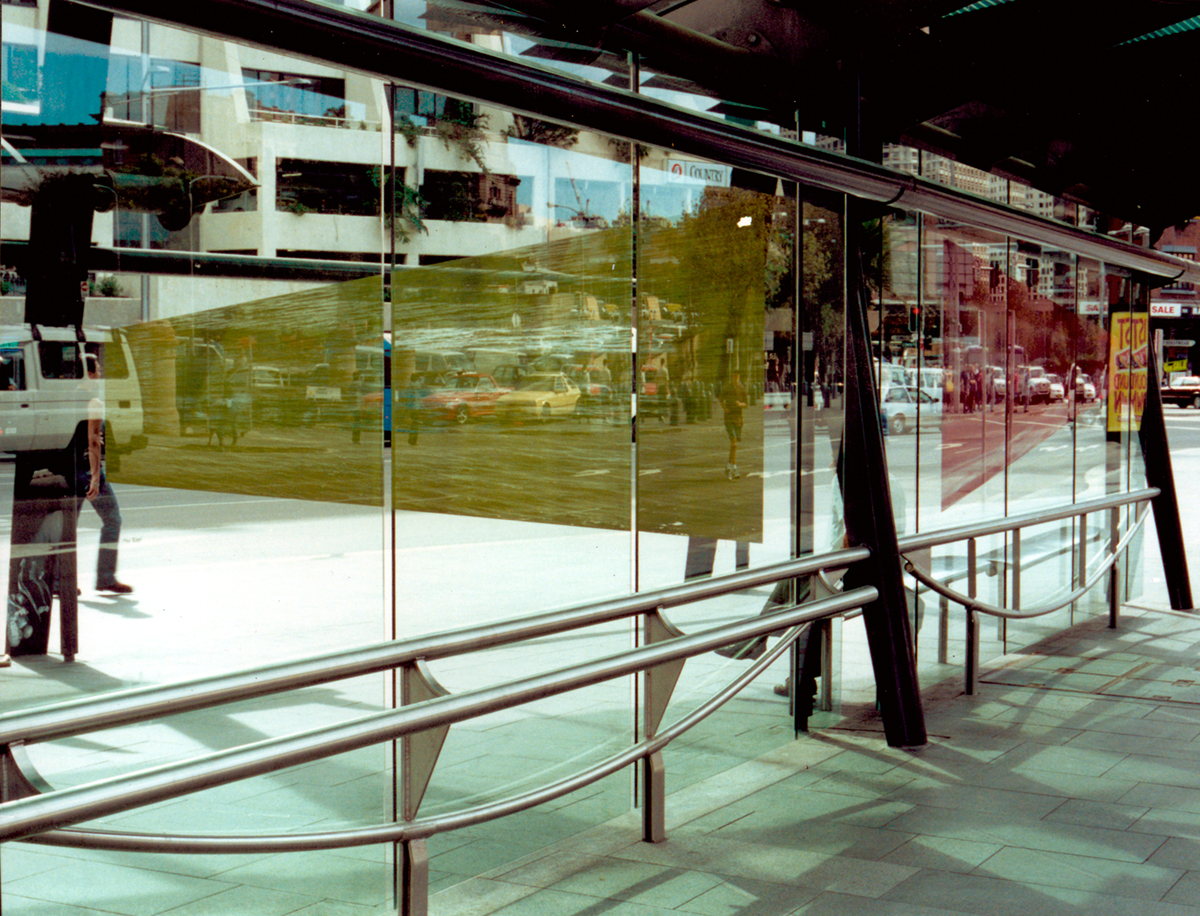
Material World: Bus Interchange windscreens.
Material World, Railway Square, Sydney. Commissioned by City of Sydney. Opened July 1999.
This work echoes the idea of the vanished colonial gateway to the city. Using anamorphic perspective, and digitally stretched and elongated images, the four light boxes in the tunnel play with perception and the changing position of the viewer - appearing to move as people rush past. Every now and then, the hidden image of a face appears and then disappears. The viewer moves through saturated colours reflected on the ceiling of the tunnel. These reflections themselves compress and stretch depending on the position of the viewer, and change in intensity as you moves along.
The windscreen images, no longer extant, were situated at either end of Railway Square, were where, under the bus shelters, people alight, or wait for the buses. These digitally manipulated images representing the four material elements - Air, Fire, Water and Earth. They have been photographed at inner coastal locations around Sydney - La Perouse, Kurnell, North Head and The Gap. Each of these sites has a particular and complex social and historical resonance. These locations approximate the entrances to Port Jackson and Botany Bay.
Air and Space
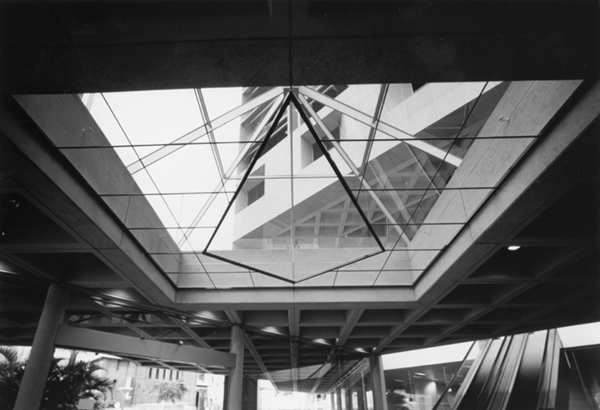
Air and Space (Grid)
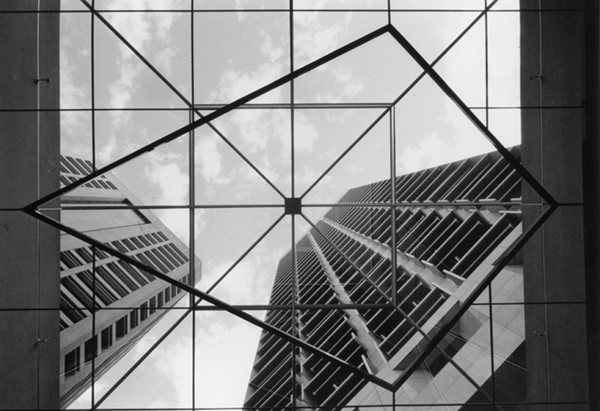
Air and Space (Grid):
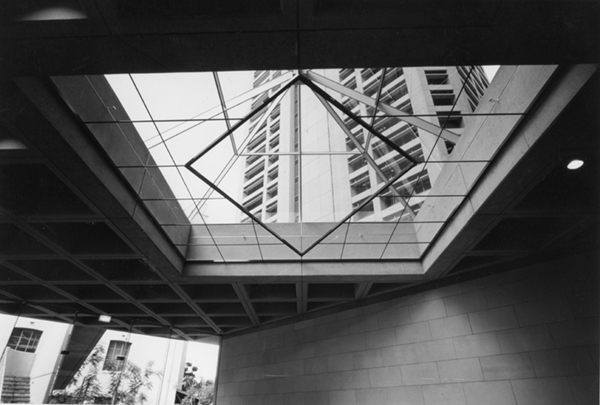
Air and Space (Grid)
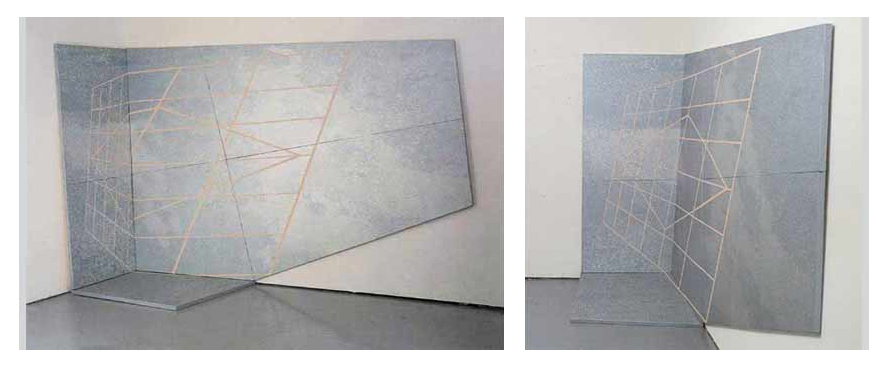
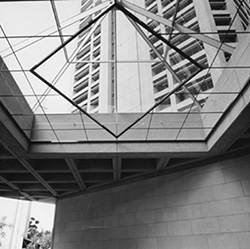
Air and Space (Grid): Foyer, Plaza Level, former State Office Building, 111 George Street, Brisbane. Commissioned by the Queensland State Government. Completed December 1995
Two blue channels and a red aluminium grid attached to the four interior walls of the skylight at the plaza level form a grid within the square of the skylight. An empty rhomboid is centred within the grid. It is anchored flat yet appears three dimensional when viewed from different positions. Red and white neon are visible at the top of the channel. As the spectator passes through the foyer space, the grid compresses optically, thus allowing the center shape to appear to compress into a square and then to stretch out again. At a certain time of year (April), the position of the sun at midday and its effect on the shadows cast onto the floor and walls through the skylight cause the shadow of the rhomboid to appear as a perfect square on the floor below. At night the effect of the neon light dominates the work. The glass pyramid surmounting the work is filled with reflections, which change as the position of the viewer changes. What is seen from below in full sunlight differs from what is seen when the sky is overcast. What is seen at night is different again.
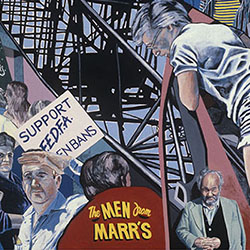
Woolloomooloo Mural Project
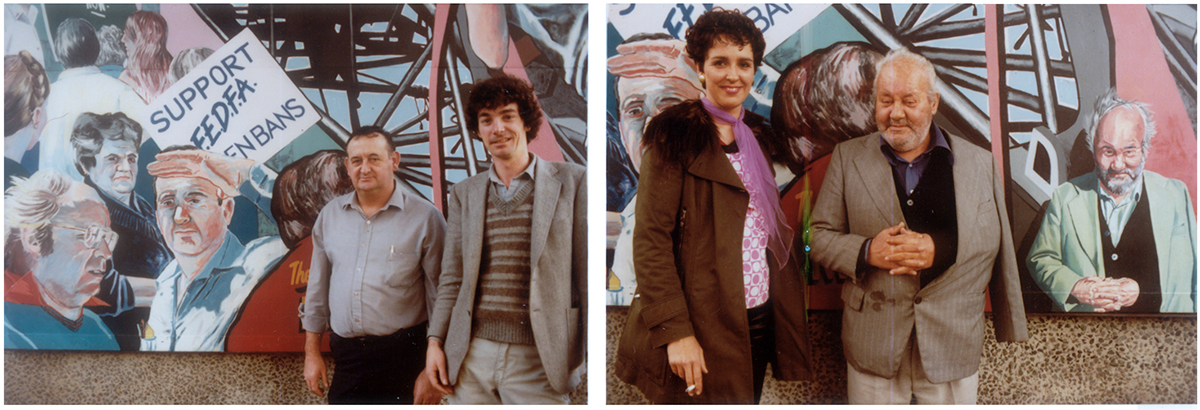
The Woolloomooloo Mural Project: Woolloomooloo viaduct, between Cahill Expressway and Harmer Street. Artists: Merilyn Fairskye and Michiel Dolk, and invited artists. 1980-83
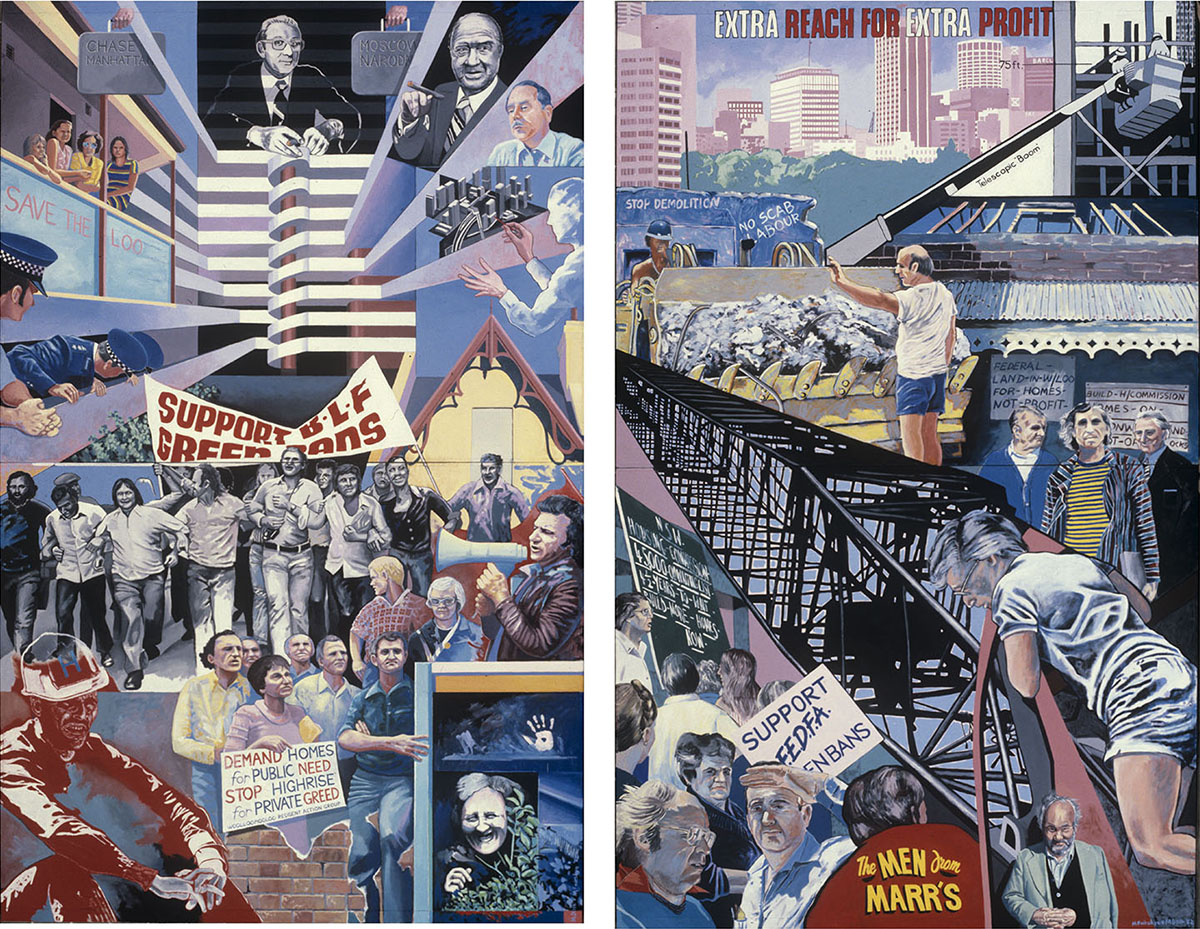
BLF and FEDFA murals 1980-83
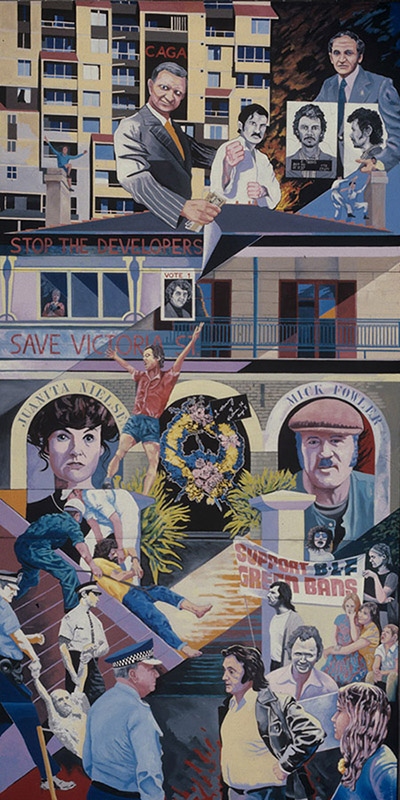
Victoria Street 1980-83
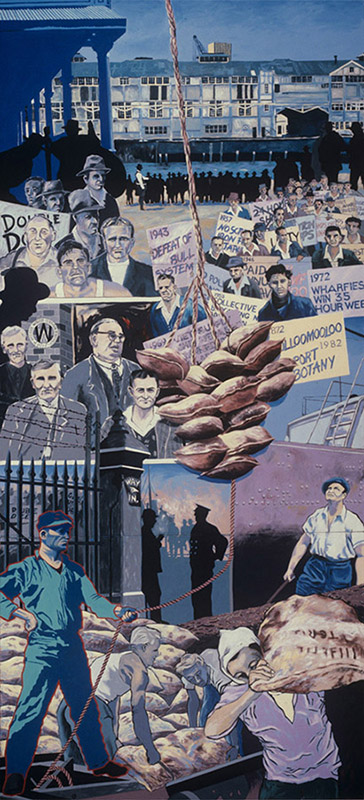
Waterside Workers 1980-83

Michiel Dolk & Merilyn Fairskye, Woolloomooloo Mural Project Documentation, Local Rhythms and Actions, Art Gallery of New South Wales, 2022..
Today, when only objects valued by museums and collectors are enshrined in the history of art, we may recollect and reflect on a historical moment of activism by artists committed to a different social future for art. It was a time of collaboration between artists, but also of collaboration with social constituencies beyond the prevailing institutions and middle class enclaves of art. The Woolloomooloo Mural Project represents such a moment of engagement by artists concerned to find different social relations for artistic practice in Sydney. It also commemorates a history of those who fought for a different, a more socially inclusive and environmentally aware future for Sydney.
It is difficult in retrospect to overstate the significance of the battle for Victoria Street and the battle for Woolloomooloo; one was lost, the other won; both had an impact on the future of the inner city suburbs. Woolloomooloo was a working class community shaped by shared memories of the Depression and War years - a community in decline and revitalised by the struggle to save the area from private redevelopment. The residents' campaign succeeded with the intervention of trade union green-bans, the Whitlam Government and the NSW Housing Commission. When we first approached the Residents Action Group in 1979 through local advocate and architect Col James with a proposal to create a public artwork on the pylons of the Eastern Suburbs Railway, it was made clear to us that the residents wished to see their own history represented. Our own artistic concerns and interests were to be subsumed by this. The result, on eight of the 17 pylons, was a montage form of social portraiture in which the documentary record of street life culled from personal photo-albums and State Archives intersected with the media record of social protest and community activism. We commissioned artists Robert Eadie, Ruth Waller, Tim Maguire, Vicki Varvaressos, Angela Gee, Bob Clutterbuck, Toby Zoates, and Robyn Heks to create billboard paintings that addressed a range of themes on seven of the remaining pylons. We always envisaged that the history murals would have a limited life. We gave them ten years at most because of their location in a public park and thoroughfare, exposed to the weather. In response to community concerns however, the Sydney City Council recently intervened to preserve the murals as an enduring historical record that has become identified with the area.
As a unique record of time and place, film and photography have a documentary immediacy unavailable to any attempts to revive popular history painting as a public art. The footage of the opening of the Woolloomooloo Mural Project on July 10, 1982, originally recorded by Beth McRae, Erika Addis and Pat Fiske, has been re-mixed by Merilyn Fairskye - slowed down in order to inscribe a time and space for memory and reflection. Still photographs taken at the opening by Sandy Edwards have also been incorporated. Former BLF organiser and green bans activist Joe Owens was one of the speakers at the opening. His speech provides the soundtrack. Like the murals, the gathering reveals itself as a commemorative event and celebration owned and shared by the community and its supporters.
Michiel Dolk and Merilyn Fairskye
(Catalogue text for the exhibition Time and Space, Hazelhurst Regional Gallery and Arts Centre, July-August 2010)
Cutheringa (unrealised)

Cutheringa 2011 Townsville Hospital Expansion, Townsville, Qld. Artist: Merilyn Fairskye
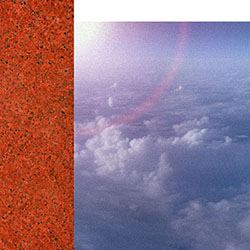
A site-specific triptych incorporating aerial imagery, glass, reflected light and colour, and the red granite of Castle Hill
the concept:
Cutheringa evokes several journeys - through Aboriginal history and mythology to the present associated with Cutheringa, the original name given to Castle Hill in the centre of town, the red granite almost-mountain. This history and mythology around the name Cutheringa haven't been recorded, but the name apparently survives as one of only two known indigenous place names in the Townsville region.
In the context of the Emergency Department site, the artwork is evocative rather than descriptive or narrative. There is no set story here, rather a field of possibilities. The visible traces of the glare of the sun hitting the camera lens, and the fragment of wing in the exterior panel, reveal that this is no cosmic heavenly apparition, but rather, the familiar view from the inside of a plane, looking down through the clouds, this time to Townsville, visible as glimpsed fragments, and earthed through the solid materiality of the red granite of Castle Hill that sits amongst the image.
fabrication/construction
The artwork is in three parts.
Exterior and interior photographic sections using high resolution, Vivid Image Exterior, red granite section.
All with specialist lighting.
Aqua (unrealised)
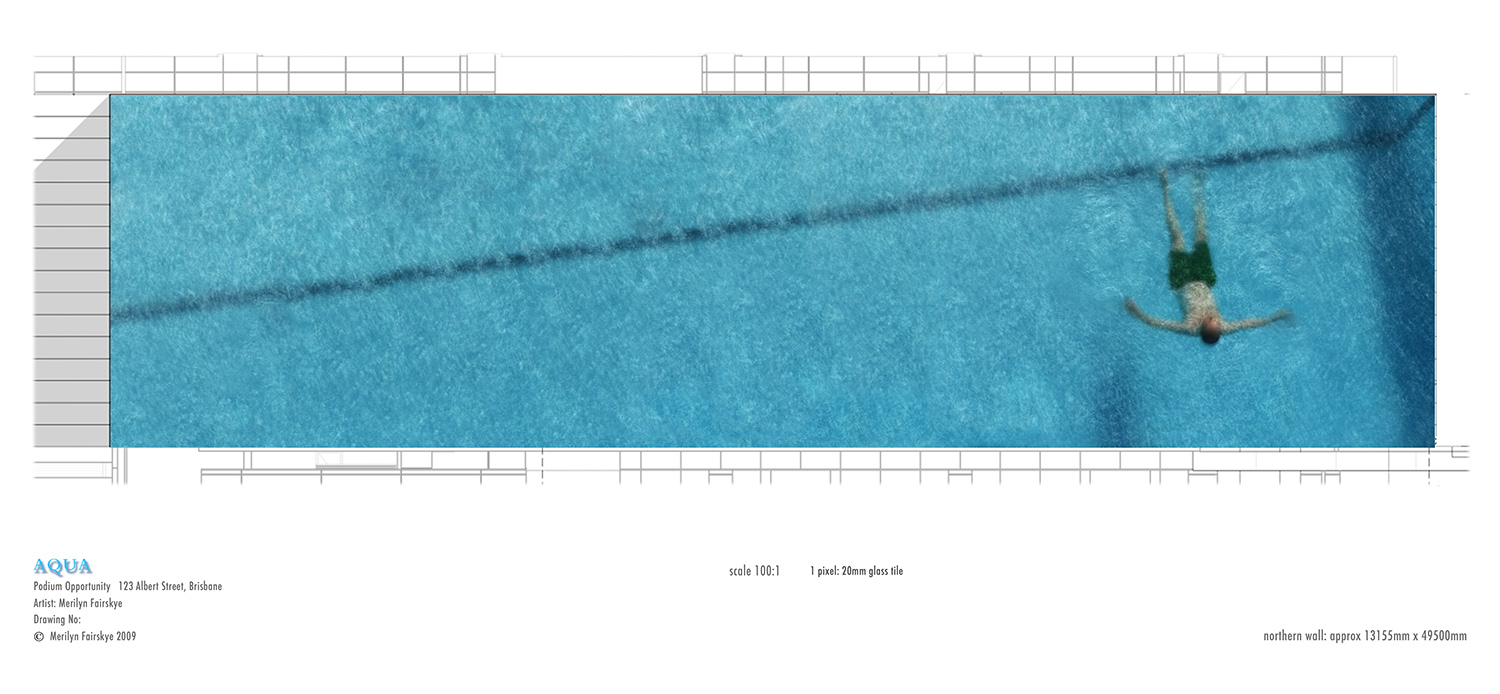
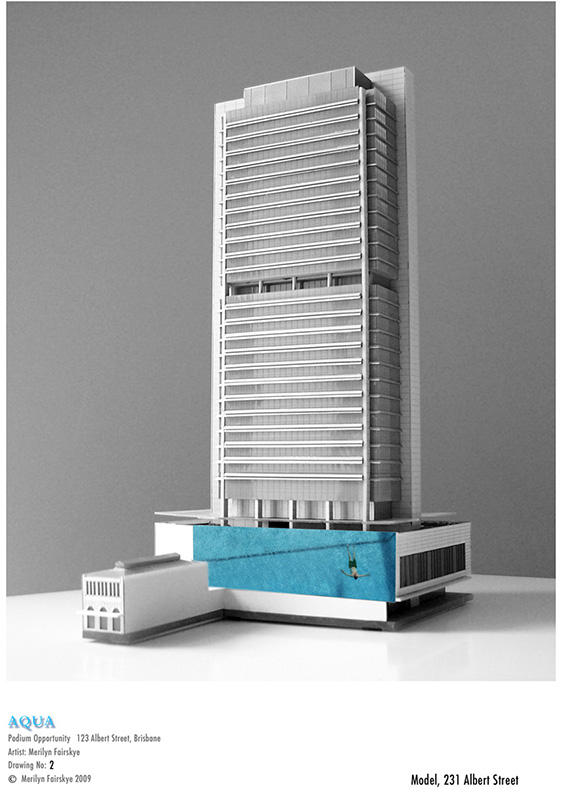
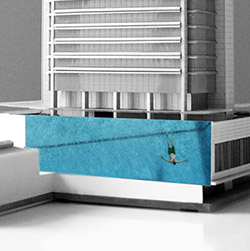
Aqua 2009, 123 Albert Street, Brisbane. Artist: Merilyn Fairskye
the concept:
Aqua - a site-specific public artwork incorporating time-lapse imagery, glass, reflected light and colour, and the movement of people. From a distance you see an abstract field of aqua, then, closer, an image forms an aerial view of a swimming pool, the horizontal field anchored by the black lane markings, and, even closer, a man floats in time and space across the surface of the water. The image provides an unexpected conceptual interruption to the busy streetscape. An iconic Queensland image, at the same time abstract, painterly and figurative. Appearing out of the blue like a mirage, it offers an oasis of cool in the heat of Brisbane.
The large tree near the wall on Albert Street becomes part of the work, a living screen that reveals and conceals, depending on where you happen to be. As you get close the image dissolves into a grid of pixels. A glass mural, one tile per pixel, covers the entire wall. The overall effect will be to glow and reflect intense colour in the shade that falls on the wall, and to sparkle in the sun. An intense vibrancy creates an effect that recalls the gestural and painterly qualities of Impressionism.
A transformative exchange takes place between the image, the adjacent walls, the surrounding streetscape, the movement of vehicles, weather conditions, the position of the sun, people in overlooking buildings, people passing through/using Albert Street. A sense of duration is embedded into the photographic moment of the swimmer in the pool.
fabrication/construction
The image, reworked for this context and codified into pixels
Wallsend in Sight (unrealised)
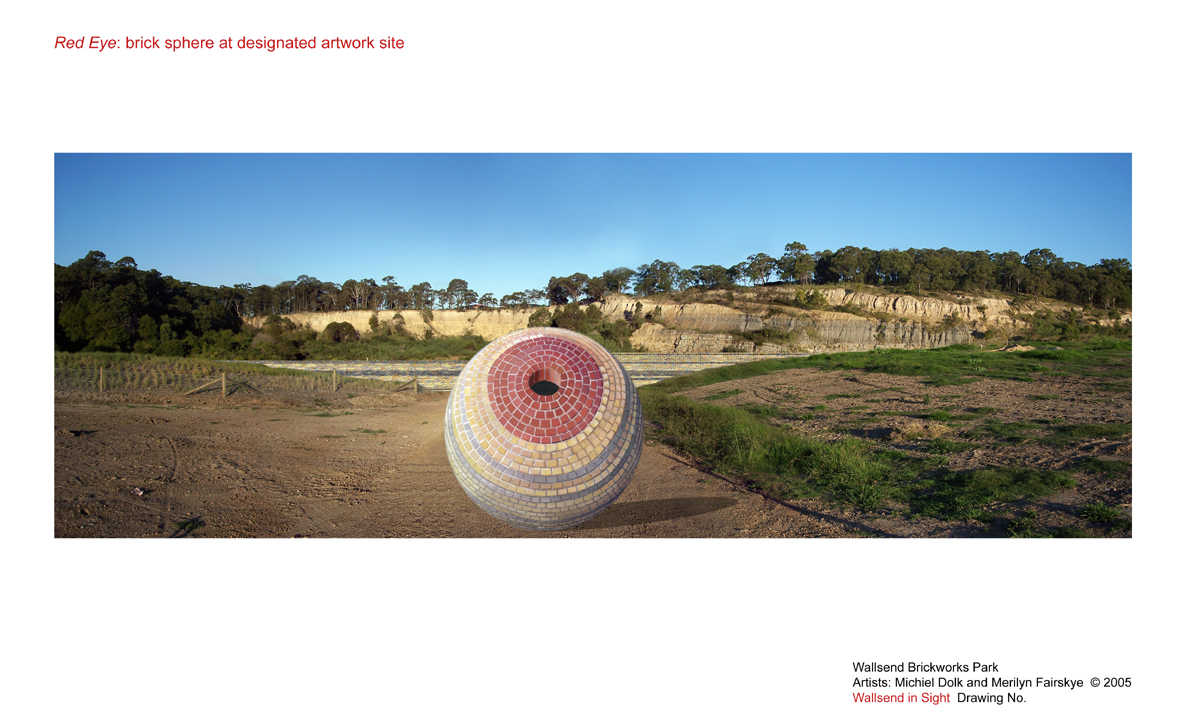
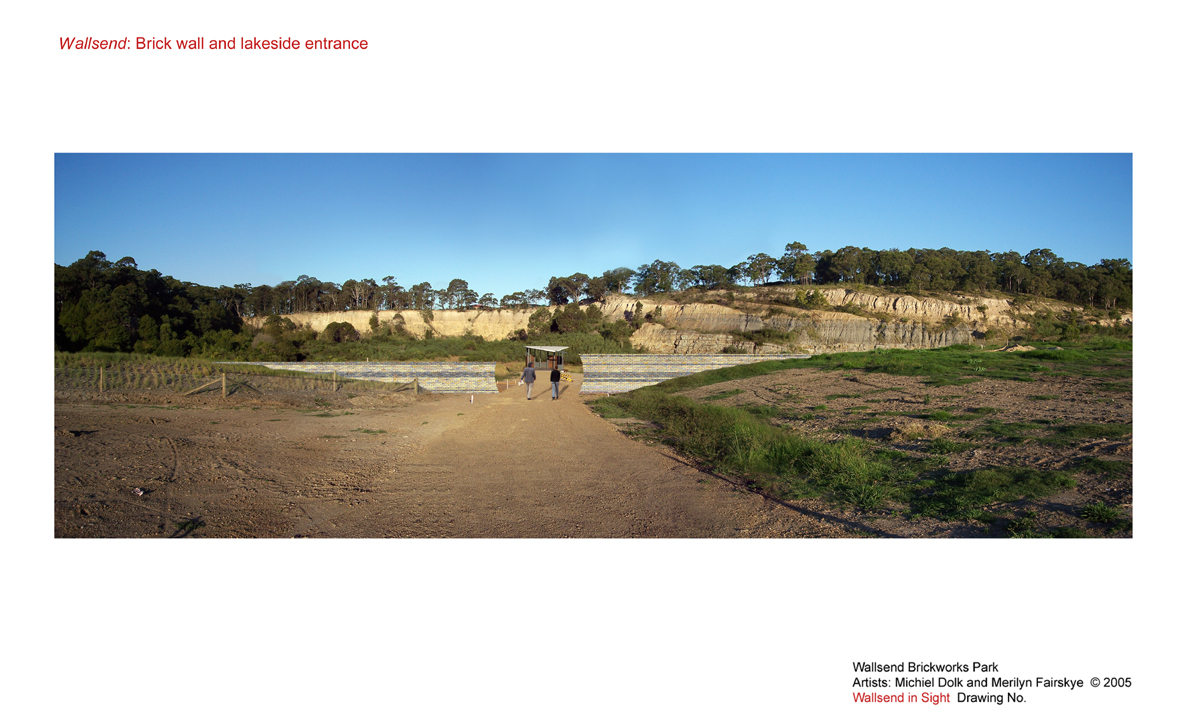
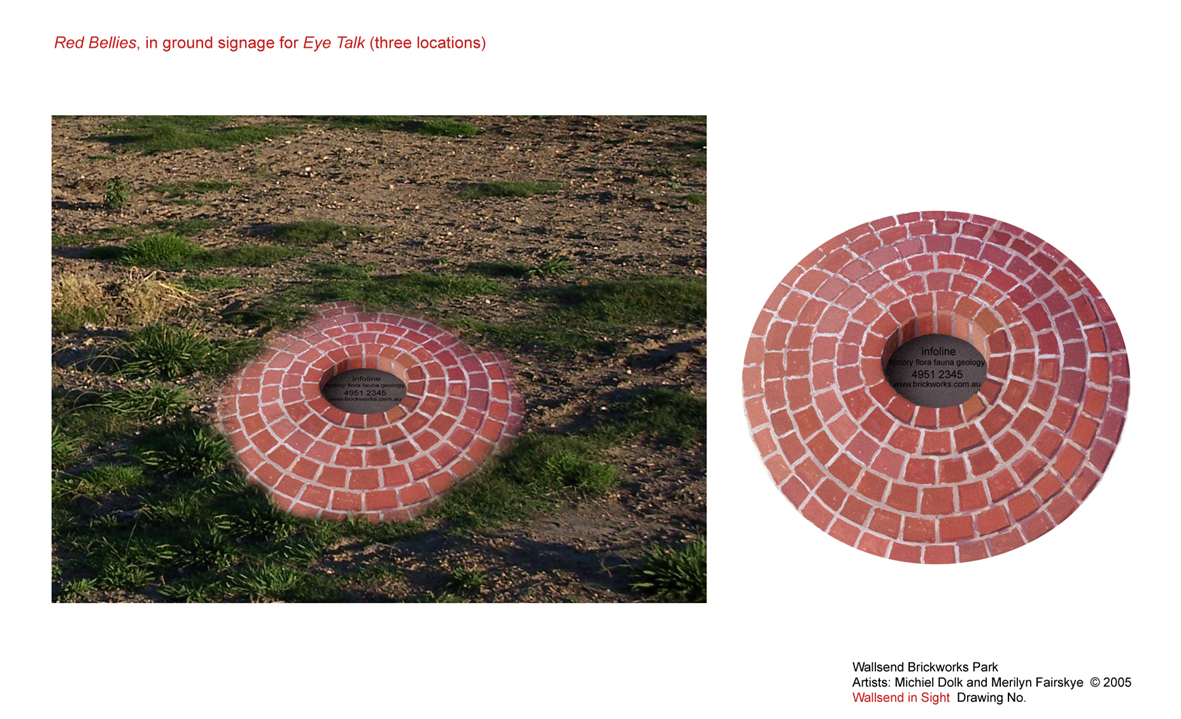
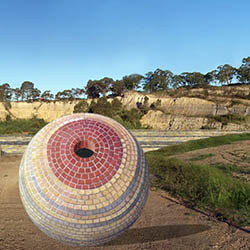
Wallsend in Sight 2005 Brickworks Park, Wallsend.
Commissioner: Newcastle City Council.
Artists: Michiel Dolk and Merilyn Fairskye
the concept:
The proposed art-work featuring 'brickwork', consists of 3 interrelated elements:
- A brick sphere or monumental eyeball with 'red-belly' iris and aperture (pupil) oriented to the setting sun above the western entrance to the park. Aperture on the opposite pole of the sphere will form a spotlight at designated time of day/year.
- A brick wall(s) on the north/south axis frames the sphere and forms an entrance to the quarry enclosure of indigenous bush-parkland. The height of wall is determined by adjacent mound/ground levels on either side of the central avenue. This establishes a strong horizon line below the elevation of the quarry wall.
- Soundwork, (telephonic access to audio recording) for heritage interpretation and website for educational purposes
The proposed design brings clarity to a complex design brief and embodies the history of the site with a sculptural and architectural celebration of bricks in a bold signature motif. The use of brick is consistent with the Design brief. Few bricks with clay sourced and manufactured on site are available to the project. It is proposed to source commons pressed and coal fired in the same manner, from a brick manufacturer such as Namoi Valley Bricks. For both sphere and wall, bricks will be selected to resemble the original red-belly, and the sandstone and coal seam strata of the quarry wall, in particular the relationship between three colours - red ochre, pale yellow ochre, and grey.
The principal site identified for artwork, on the main axis, the avenue between the school playground and the lake observation platform is framed by trees. The plan therefore appears to require a work, sign, object or monument towards which the gaze is directed along the axis.
The brief suggests the use of bricks, which are not available on site. There are few extant bricks on site other than those in residual structures submerged in the quarry lake. At the risk of bringing coals to Newcastle, it may be necessary to bring bricks to Wallsend.
Artist Books
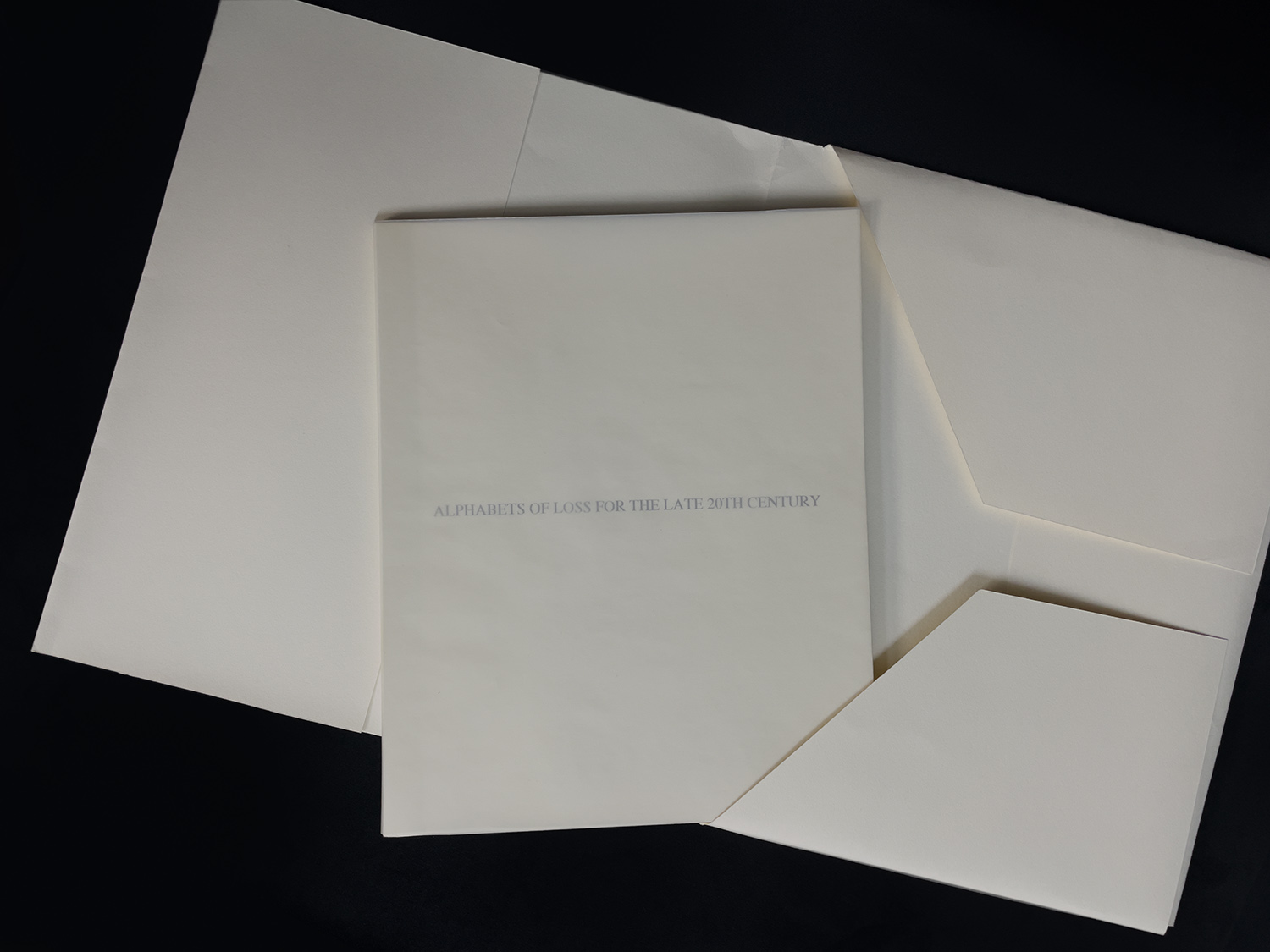
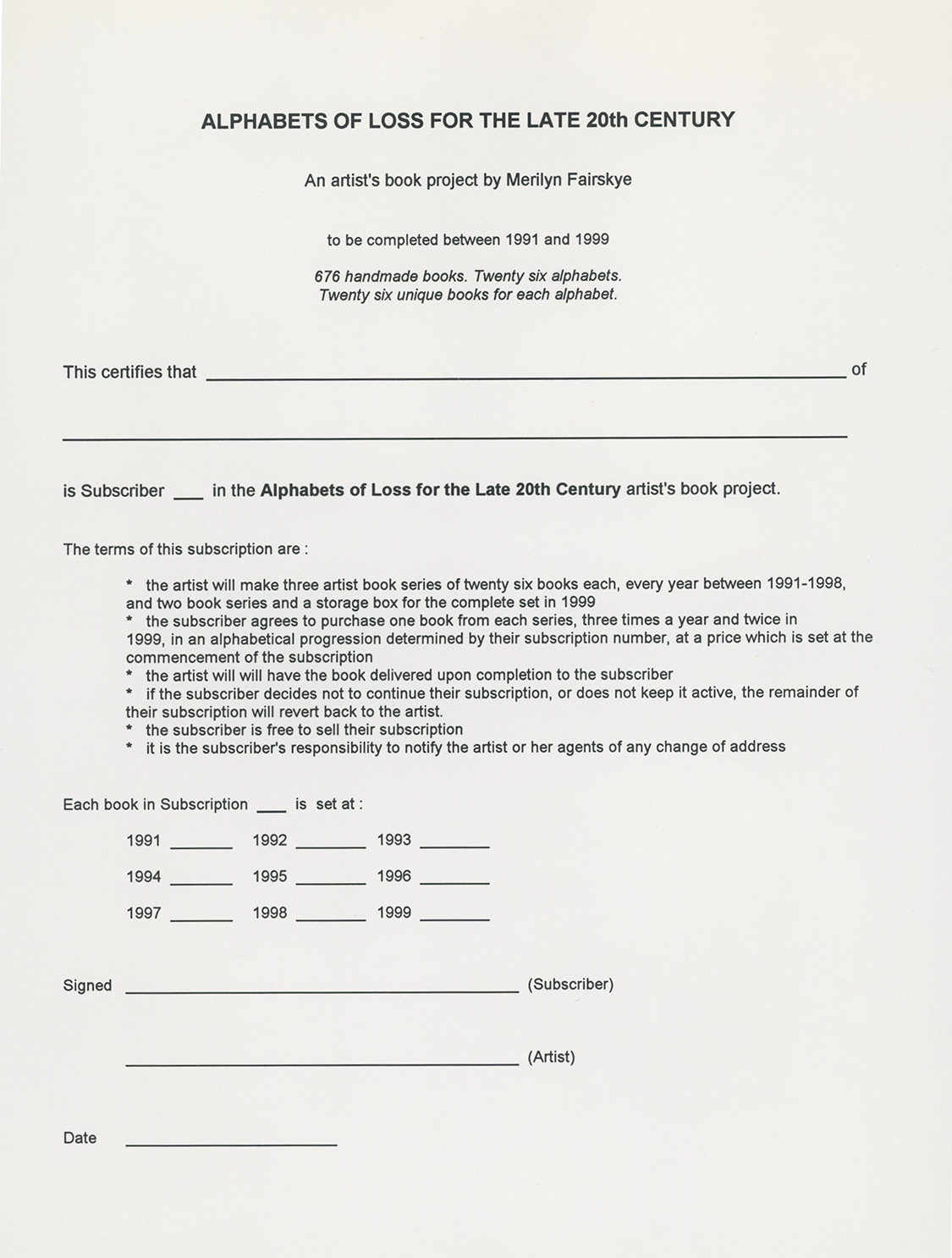
ALPHABETS OF LOSS FOR THE LATE 20th CENTURY
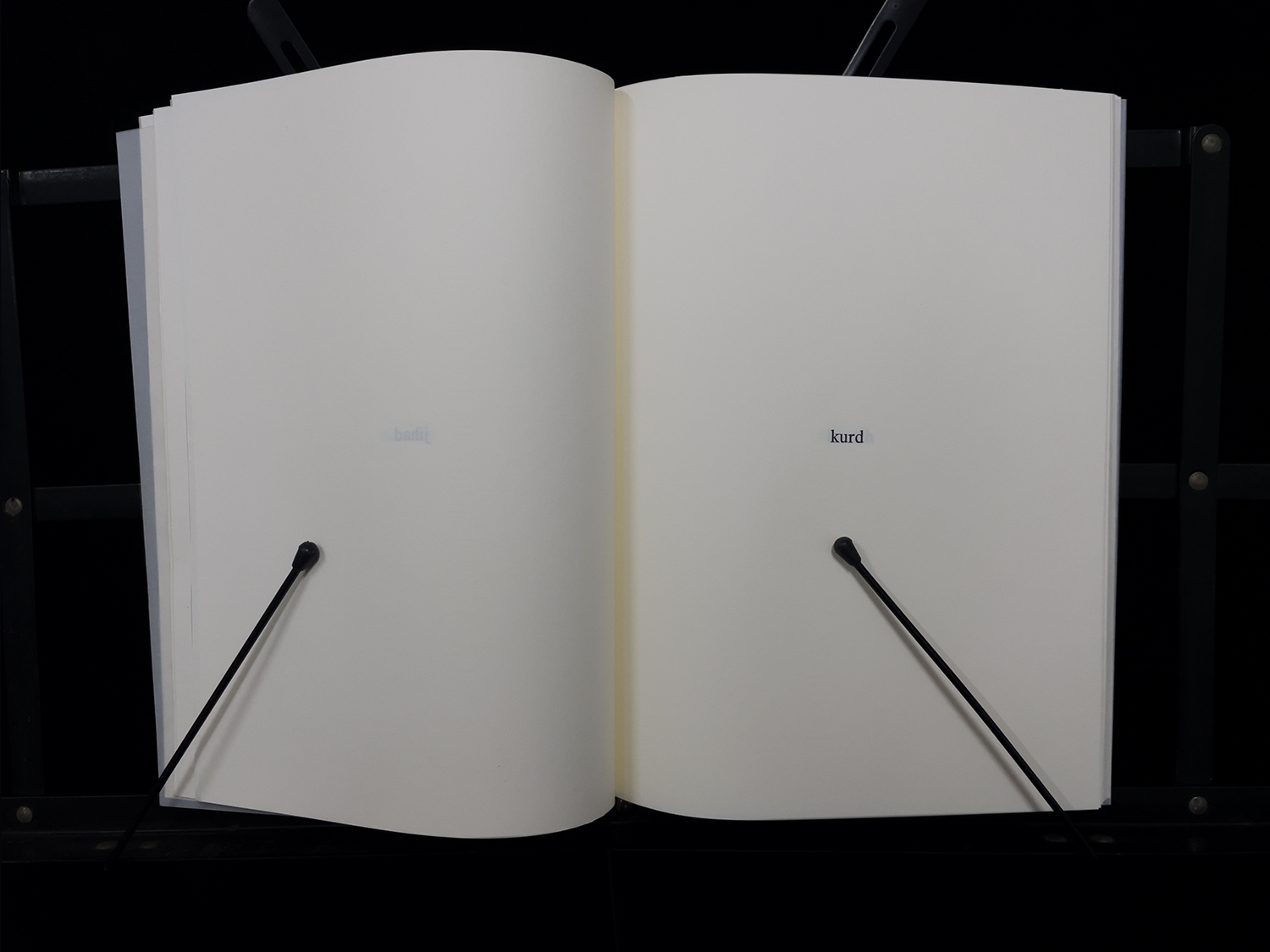
ALPHABETS OF LOSS FOR THE LATE 20TH CENTURY is an artist's book project that was to be completed between 1991 and 1999. The project was a personal attempt to cast a net over time, an attempt to make an individual account of the last decade of the 20th Century that invoked some of the particulars of the social and cultural circumstances at that time.
The project was planned to be twenty-six sets, or editions, of twenty-six unique, handmade books. Each set of books has a text of twenty-six words - an alphabet, derived from a particular source - a specific event, a prior system of knowledge, or a meditation. There is also an image in each book. In most sets, this image differs from book to book. The relationship of image to text is tangential.
The series began in New York, and ended, incomplete, in Sydney, Australia, where it was wound up after 10 editions.
arsenal-zone (1991)
An alphabet of one day's news reporting of the Gulf War in New York Newsday accompanied by transparent, media-sourced found images.
26 hand-made books. Each 32 leaves. Rag paper, acetate, Xerox prints. 23 x 18cm, incl. sleeve 26 x 21cm
arsenal-zone (detail)
arsenal-zone (detail)
arsenal-zone (detail)
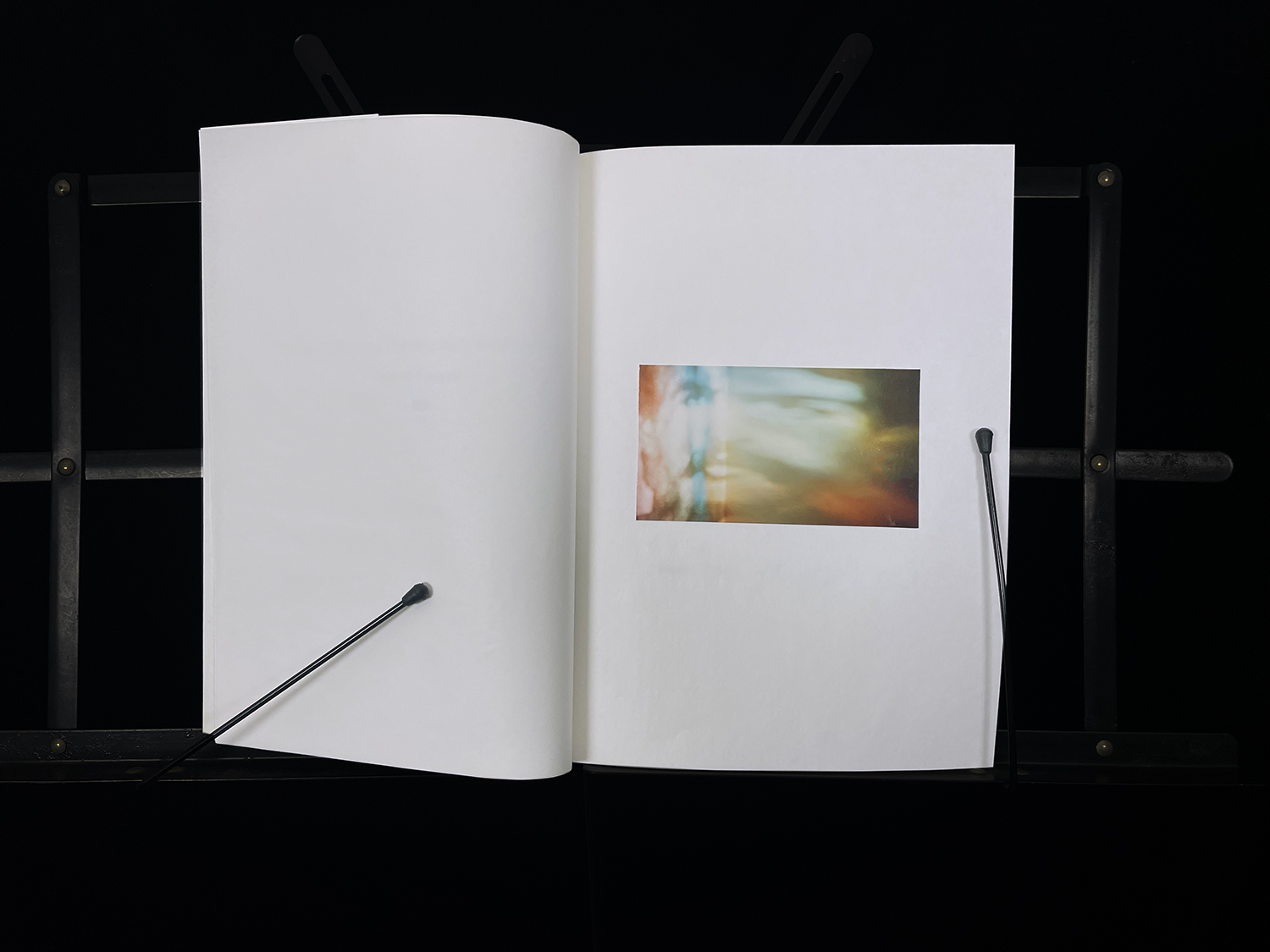
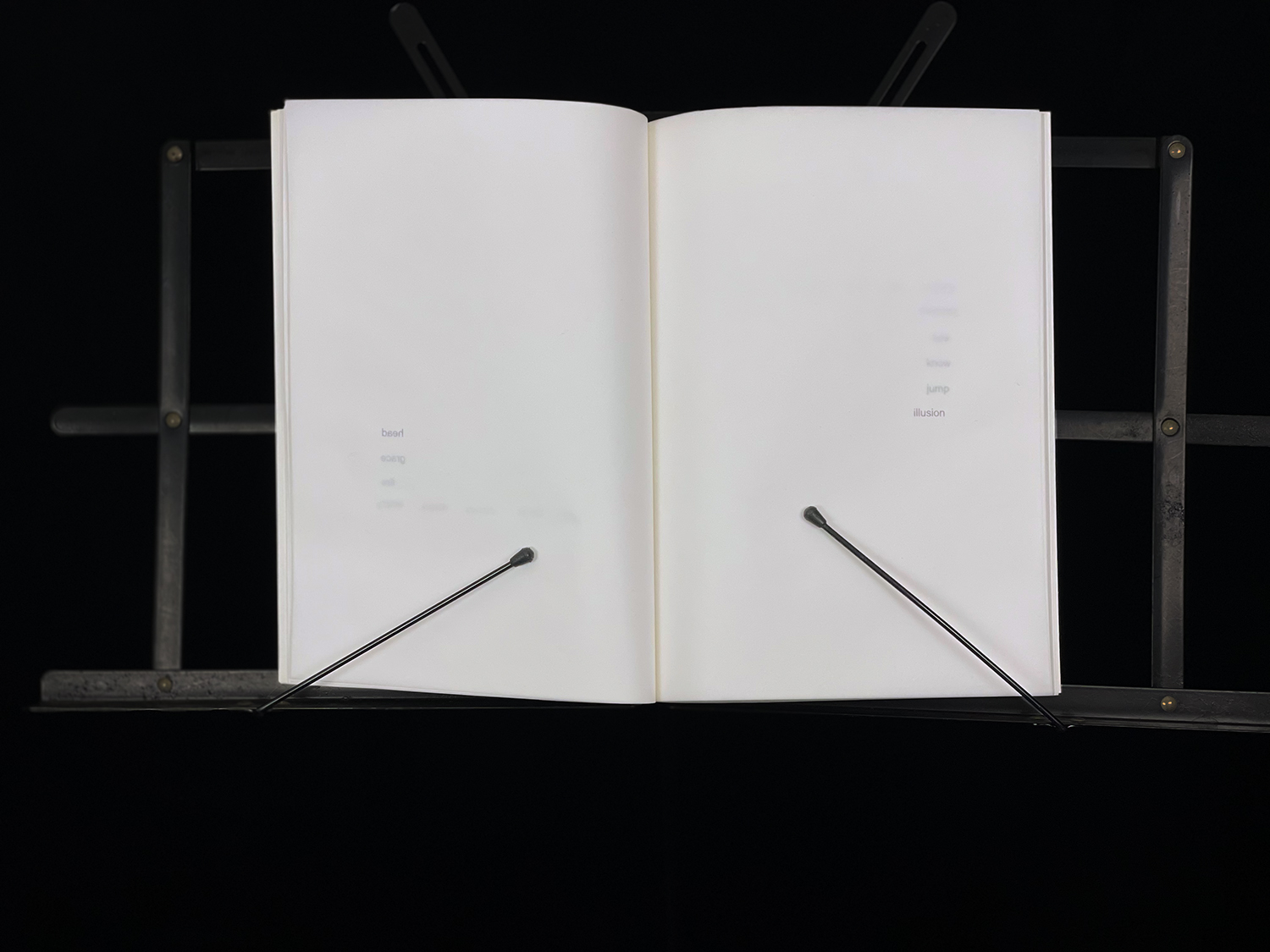
alone-zip (1991)
An alphabet of desire. The images are colour photographs of anamorphically-distorted portraits of anonymous people.
26 hand-made books. Each 36 leaves. Vellum, rag paper, colour photograph. 23 x 18cm, incl. sleeve 26 x 21cm
alone-zip (detail)
alone-zip (detail)
alone-zip (detail)
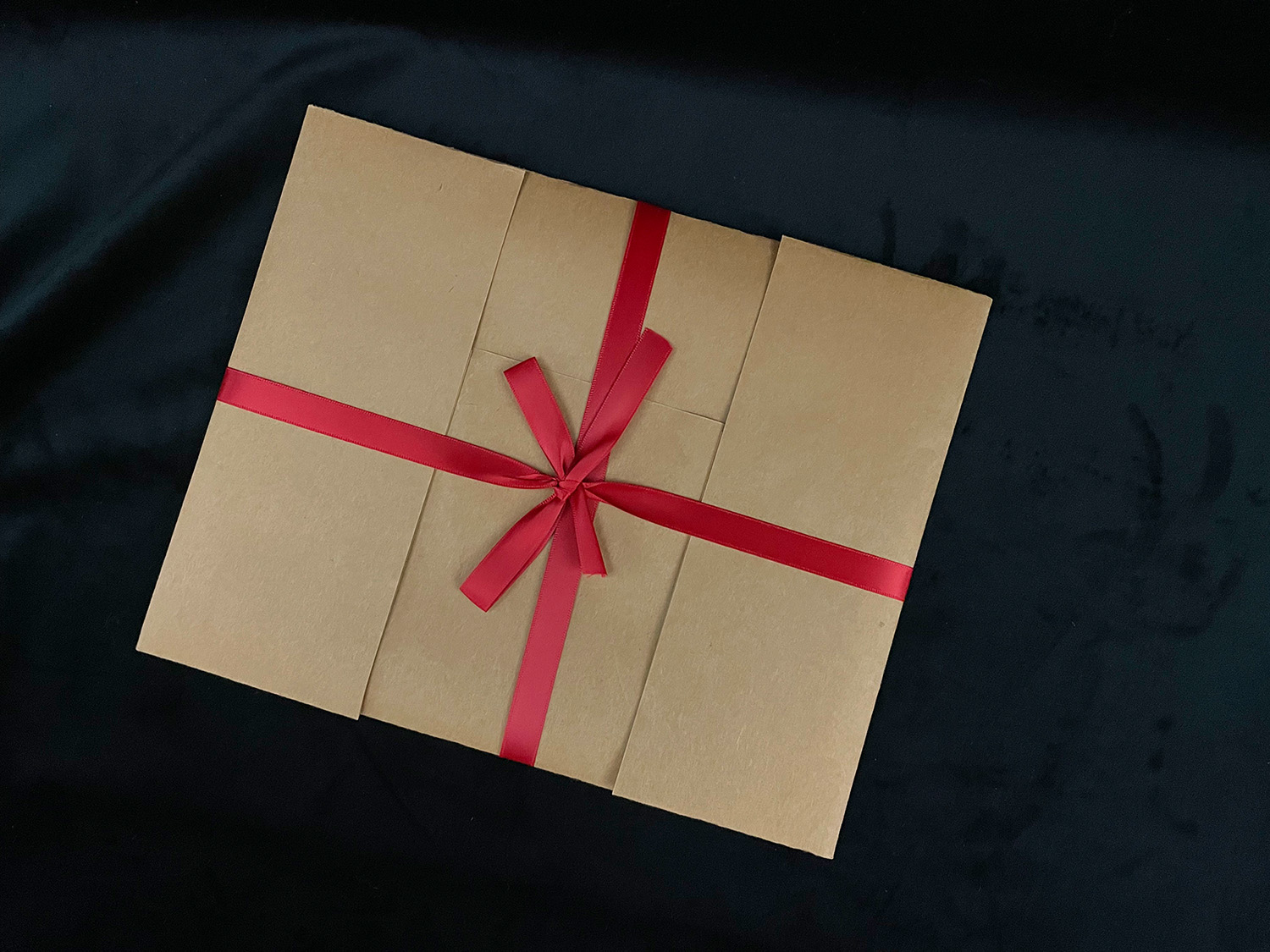
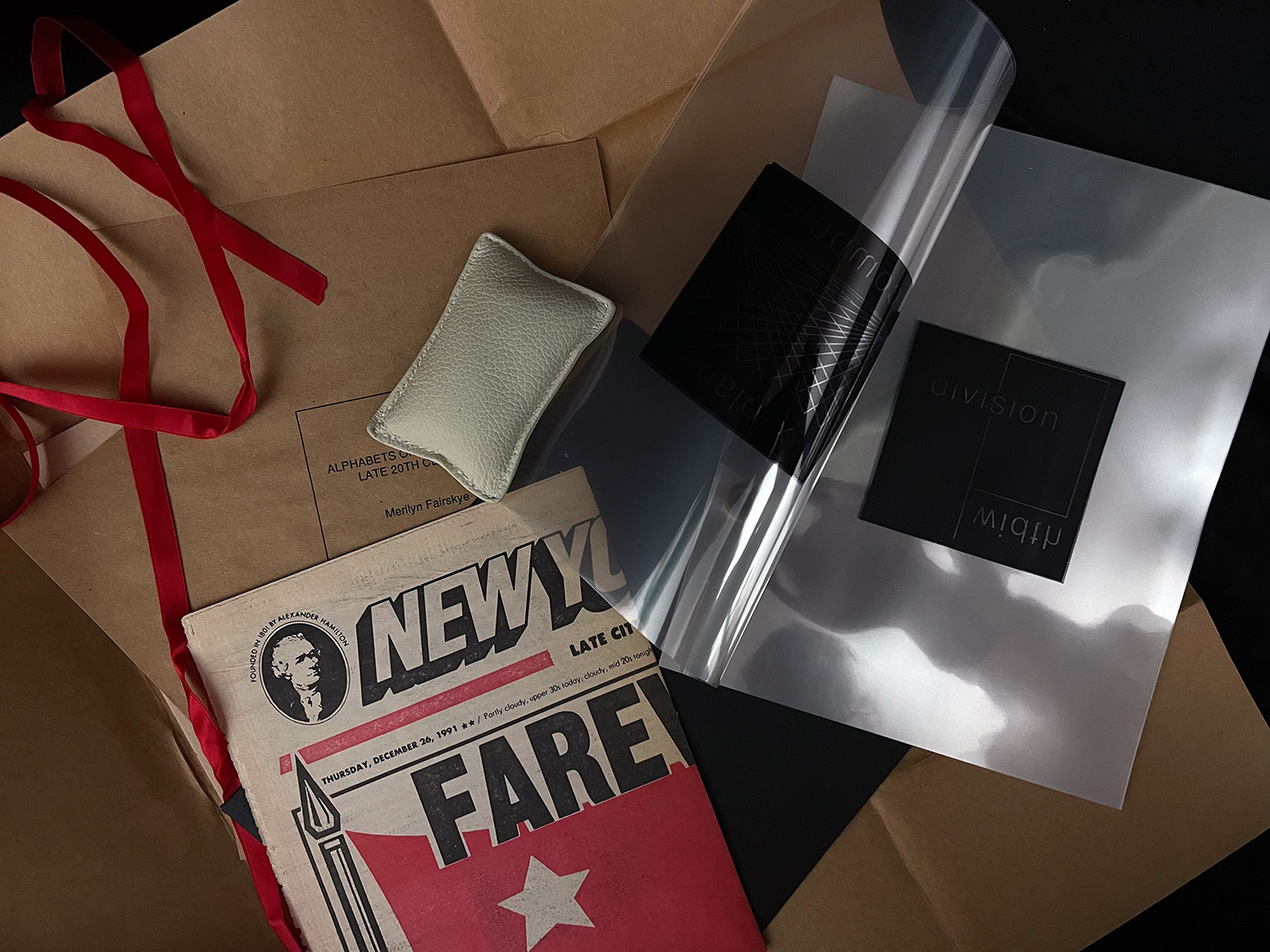
addition-zero (1991)
An alphabet of mathematics. The transparent book begins and ends at the same place. The central image is the front page of the New York Post from December 26, 1991, the day that Mikhail Gorbachev resigned.
26 hand-made books. 28 leaves. Acetate, newspaper, brown paper, ribbon. Dimensions: overall 26 x 21cm
addition-zero (detail)
addition-zero (detail)
anchor-zig-zag (1991)
An alphabet of movement, simultaneous verbs and nouns, scored to "Scarlet", a piece of music for piano from a series of compositions inspired by colours. The image is a fragment of the Benetton advertisement which depicts an Italian family gathered around the deathbed of a son with AIDS.
26 hand-made books. Extended foldout, 5 leaves, Xerox prints, rag paper. 18.5 x 23.5cm, incl. sleeve 26 x 21cm
anchor-zig-zag (detail)
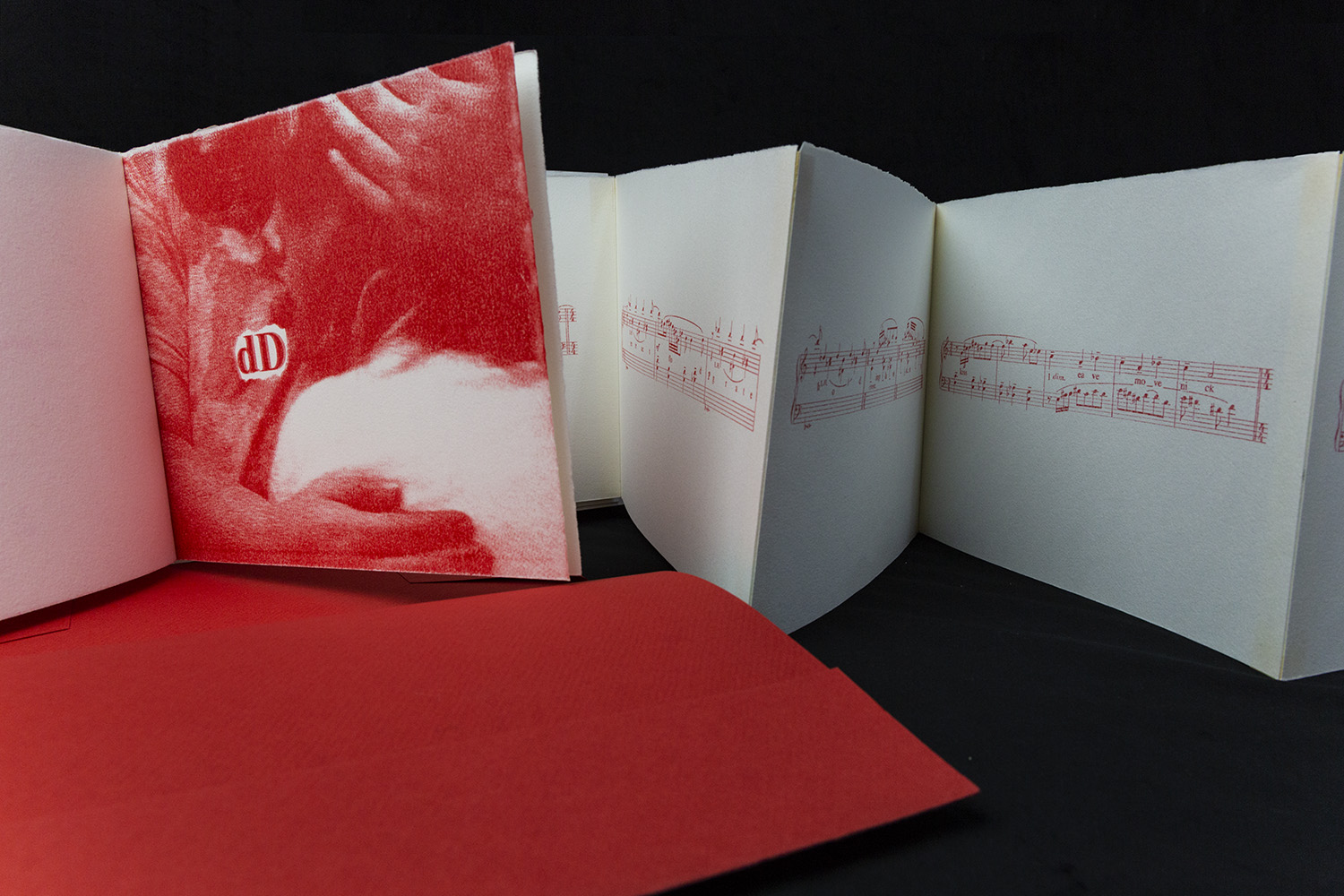
anchor-zig-zag (detail)
attract-zeal (1992)
An alphabet of psychology. The image components are a two-part drawing and a transparent image of the sea, from a Vanity Fair photograph of the late media baron Robert Maxwell at sea.
26 hand-made books. Extended foldout, 3 leaves. Rag paper, acetate, colour laser print, pencil. 18 x 23cm, unfolded, incl. sleeve 26.5 x 20.5cm
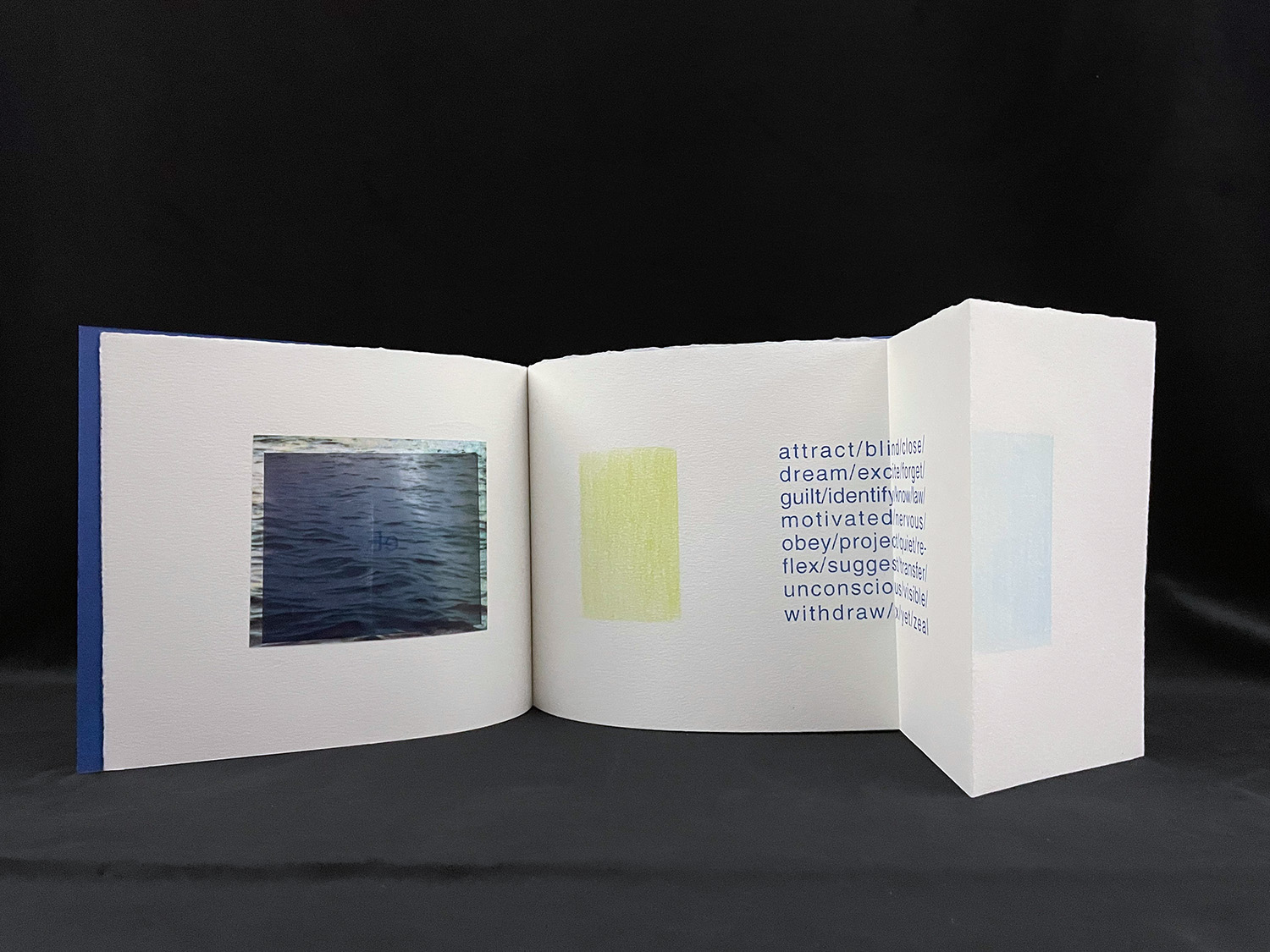
attract-zeal (detail)
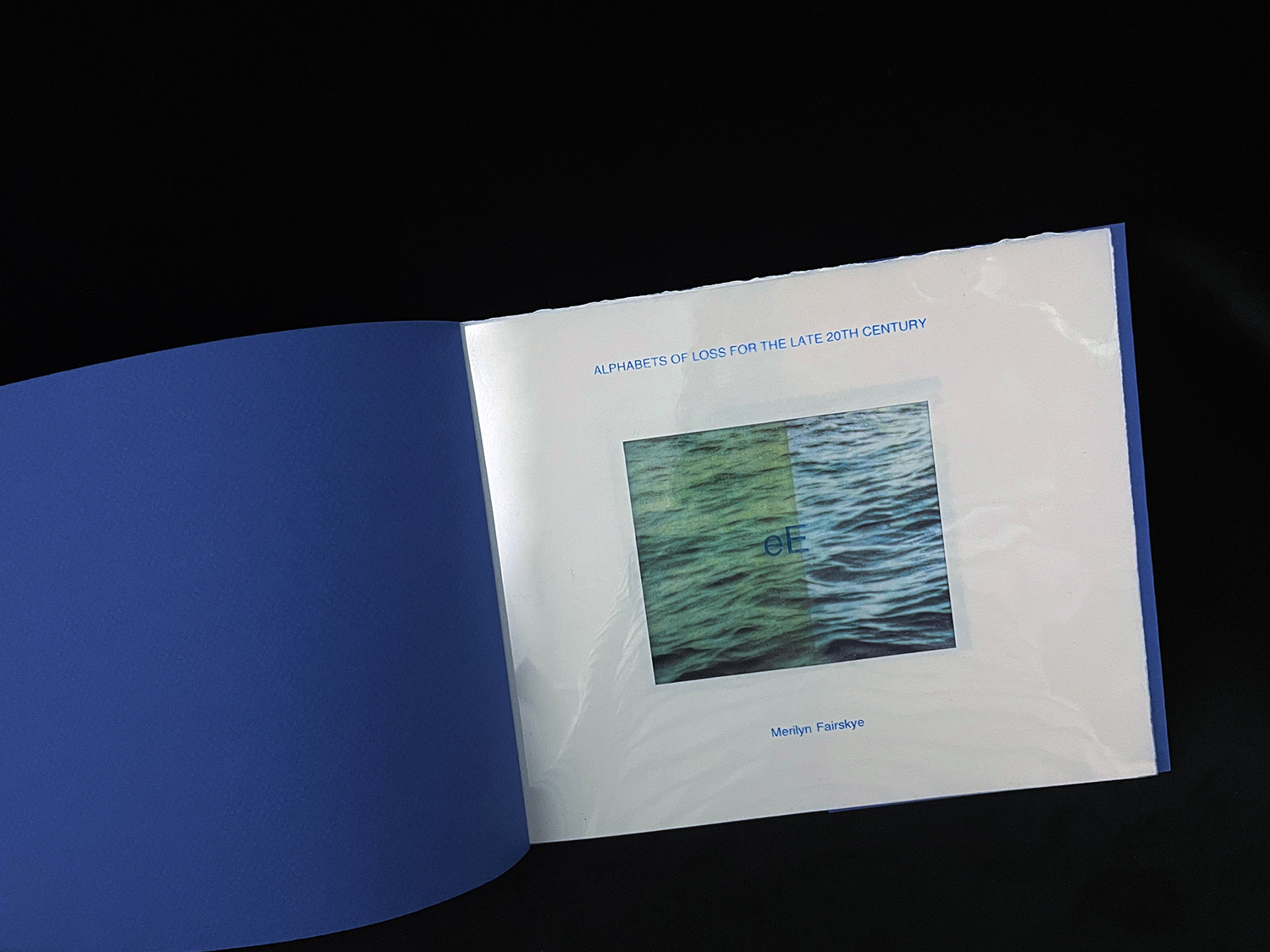
attract-zeal (detail)
alchemy-zeitgeist (1992)
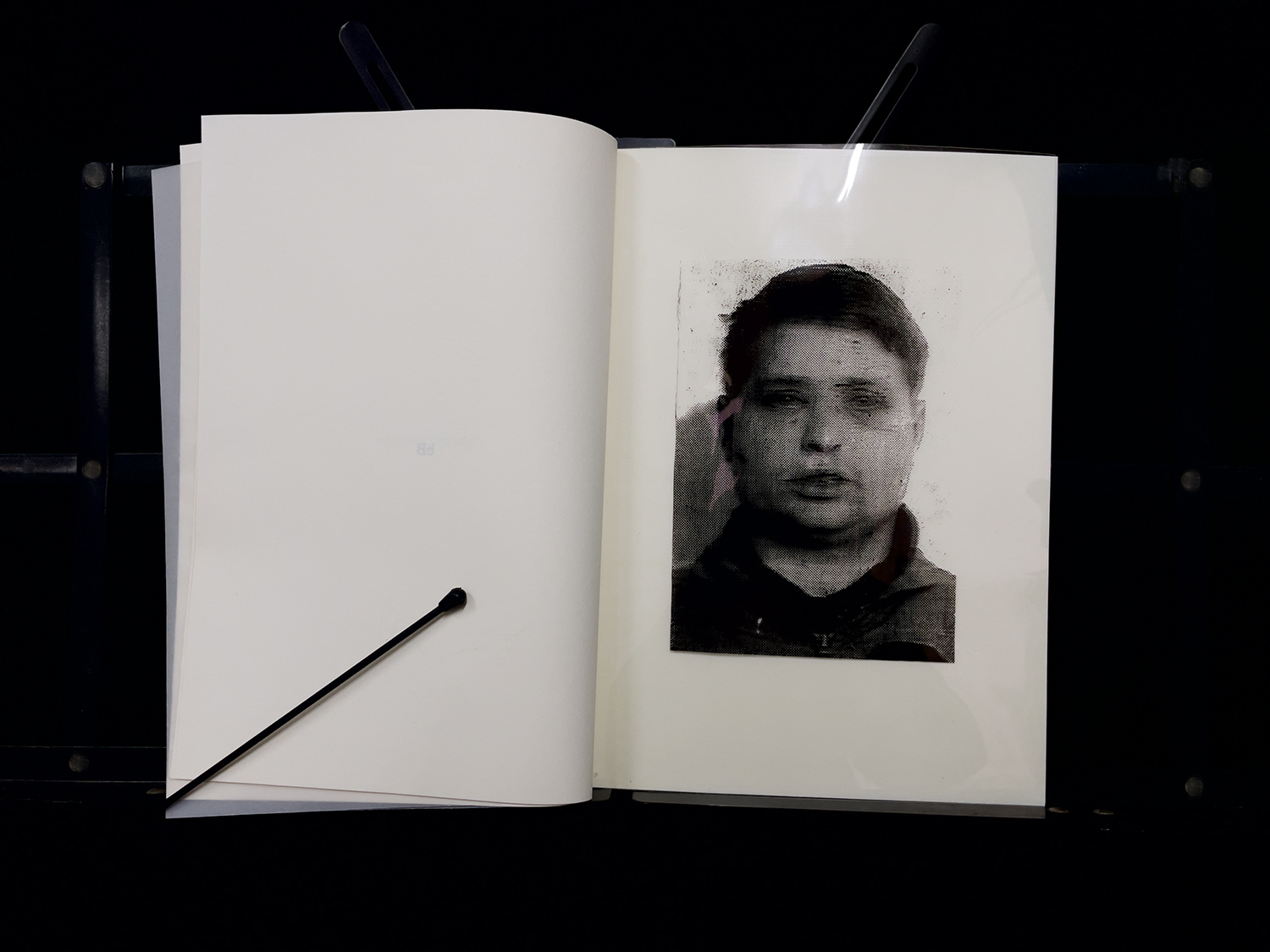
An alphabet of the conflict in the former Yugoslavia, from Time magazine, August 17,1992, and translated into tactile Braille. Polaroid portraits were captured between November 13 and December 9, 1992, during a residency at the Rockefeller Foundation Study Center, Bellagio, Italy.
The subjects were the first person encountered each day over 26 days, and were asked to pose with their eyes closed.
26 hand-made books. 30 leaves. Treated paper, Polaroid photograph, corrugated card. 23 x 18.5cm
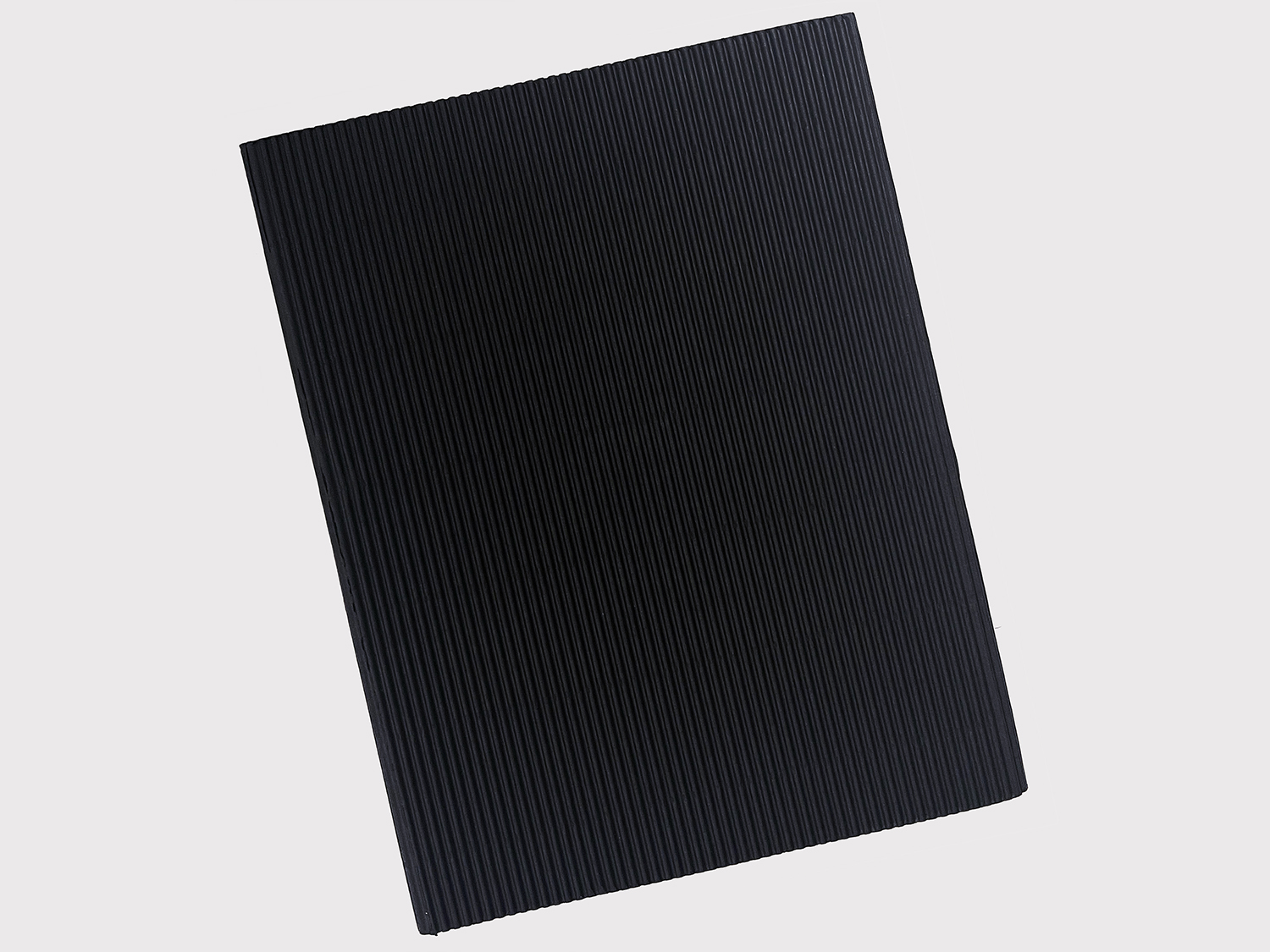
alchemy-zeitgeist (detail)
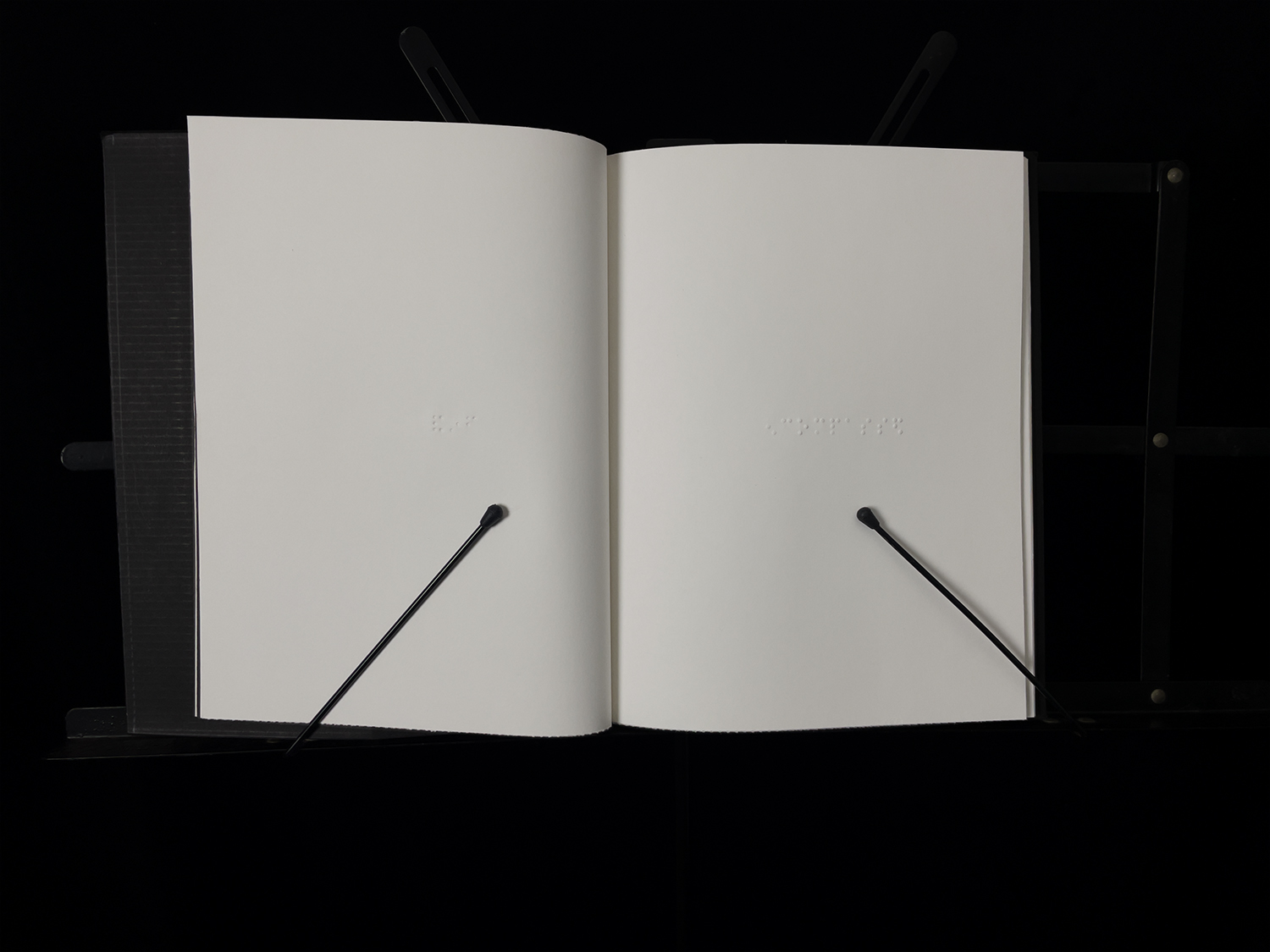
alchemy-zeitgeist (detail)
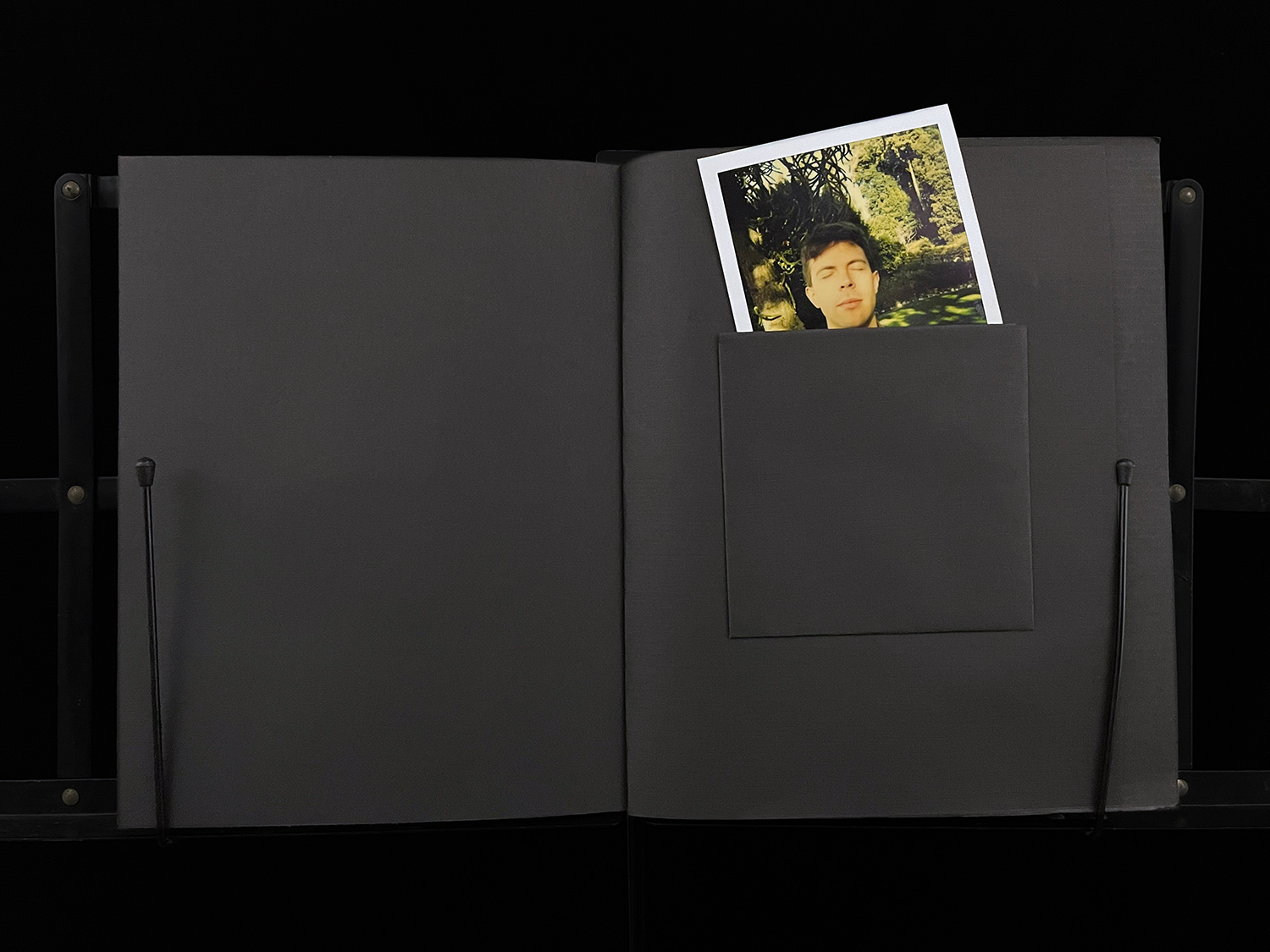
alchemy-zeitgeist (detail)
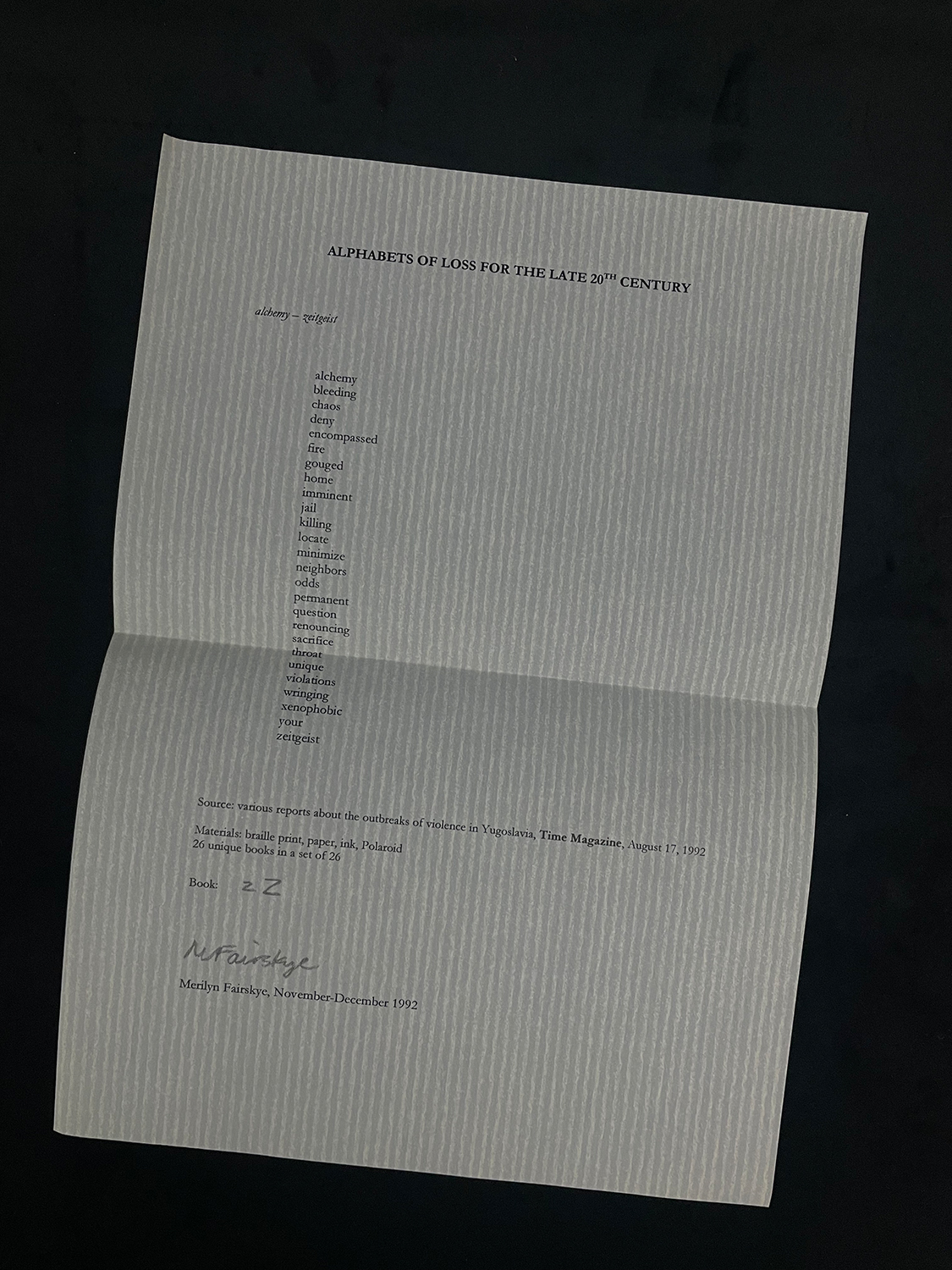
alchemy-zeitgeist (detail)
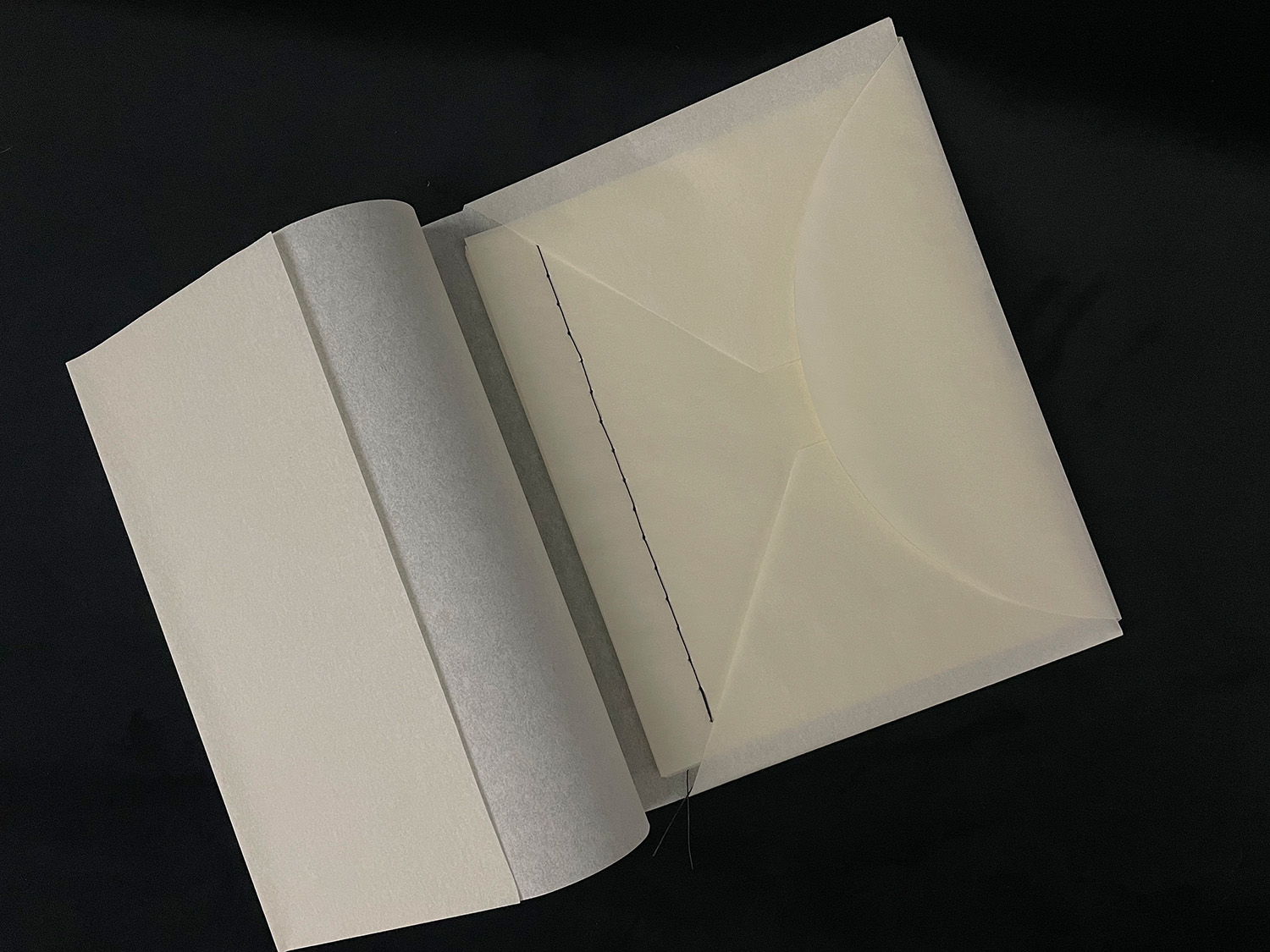
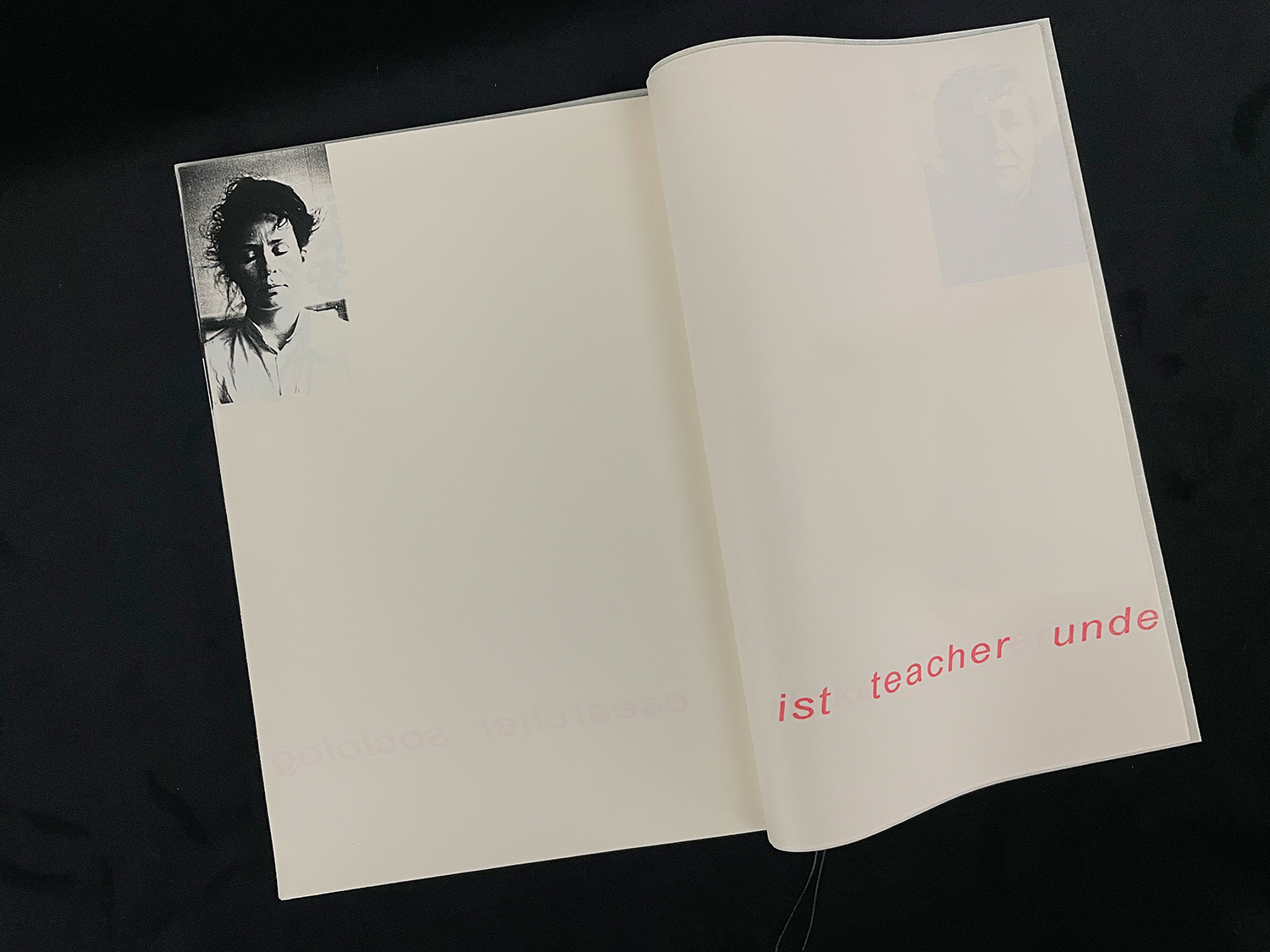
administrator-zoologist (1993)
An alphabet of occupations. The images, arranged to in the form of a flip book, have been taken from the growing archive of photographs of people with their eyes closed, labelled with their first name, occupation and place of birth, that developed from the Polaroids in the previous edition.
26 hand-made books. 26 leaves. Xerox prints, rag paper, vellum. 23 x 18cm, incl. sleeve 25.5 x 21cm
administrator-zoologist (detail)
 <
<